
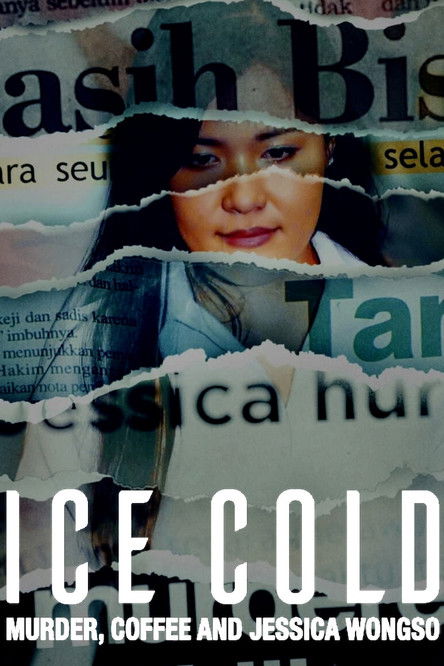
Ice Cold: Murder, Coffee and Jessica Wongso (2023)
Story overview
This 2023 documentary examines the controversial trial of Jessica Wongso, who was convicted of poisoning her friend Mirna Salihin with cyanide-laced coffee in 2016. Through interviews, courtroom footage, and analysis, it explores lingering doubts about the evidence, legal proceedings, and unanswered questions surrounding this high-profile Indonesian case that captured international attention.
Parent Guide
This documentary examines a real murder case with mature themes including death, criminal investigation, and legal controversy. Not suitable for children under 16 due to disturbing content and complex subject matter.
Content breakdown
Discusses poisoning death in detail, shows crime scene photos, includes descriptions of autopsy findings and toxicology reports. No graphic violence shown directly, but detailed discussion of fatal poisoning.
Deals with real murder case, includes discussions of betrayal between friends, shows courtroom footage of emotional testimony, presents crime scene evidence. Themes of deception and fatal poisoning may be particularly unsettling.
Occasional legal terminology and courtroom language. No strong profanity noted in the documentary's presentation.
No sexual content or nudity present in this documentary.
Central focus on cyanide poisoning, detailed discussions of toxic substances and their effects. Shows evidence related to poisoned coffee.
High emotional content including grief of victim's family, courtroom tension, discussions of betrayal, and serious legal consequences. The real-life nature of the case adds to emotional impact.
Parent tips
This true crime documentary deals with a real-life murder case involving poisoning, making it unsuitable for younger viewers. The content includes discussions of death, criminal investigations, and legal proceedings that may be disturbing. Parents should watch first to determine appropriateness for their teenagers based on individual maturity levels.
Parent chat guide
Parent follow-up questions
—
—
—
- What makes this case particularly controversial compared to other criminal trials?
- How does the documentary present different perspectives on Jessica Wongso's guilt or innocence?
- What role does forensic evidence play in this type of criminal investigation?
- How might this case affect your understanding of trust in friendships?
🎭 Story Kernel
The documentary delves into the 2016 cyanide coffee case, but its true focus is the intersection of justice and public spectacle. It questions the validity of the evidence used to convict Jessica Wongso, highlighting the absence of direct CCTV footage showing the poisoning. The film explores the psychological warfare between the defense and prosecution, suggesting that the verdict was influenced more by the intense media coverage and public outcry than by forensic certainty. It portrays a system where narrative often trumps hard data, leaving the viewer to grapple with the ambiguity of guilt in a case that captivated a nation. The core theme is the fragility of justice when it is subjected to the pressures of a sensationalized news cycle and societal bias, ultimately asking if the truth is ever truly reachable in the eye of a storm.
🎬 Visual Aesthetics
Rob Sixsmith employs a standard documentary format but elevates it through the use of high-contrast interview setups and archival news footage that emphasizes the chaotic atmosphere of the trial. The visual language contrasts the sterile, clinical environment of the courtroom with the vibrant, often overwhelming media circus outside. Symbolism is found in the recurring imagery of the coffee cup, which transforms from a mundane object into a vessel of lethal mystery. The cinematography uses tight close-ups during interviews to capture the minute facial expressions of the key players, attempting to find the truth in their reactions where the evidence fails. The editing is rhythmic, mirroring the relentless pace of the Indonesian media, creating a sense of claustrophobia that reflects Jessica’s own experience within the legal system, trapped between public perception and the cold reality of her incarceration.
🔍 Details & Easter Eggs
💡 Behind the Scenes
Directed by Rob Sixsmith and produced by Beach House Pictures, the documentary was released on Netflix seven years after the trial. It sparked a massive resurgence of interest in the case within Indonesia, leading to public debates about the fairness of the judicial system and the potential for a case review. The film features extensive interviews with Jessica’s lawyer, Otto Hasibuan, and Mirna’s father, Edi Darmawan Salihin, providing a polarized view of the events. Interestingly, the documentary faced some scrutiny from Indonesian officials upon its release, highlighting the ongoing sensitivity surrounding the case and its impact on the country's legal reputation.
Where to watch
Choose region:
- Netflix
- Netflix Standard with Ads
Trailer
Trailer playback is unavailable in your region.