
Icebox (2018)
Story overview
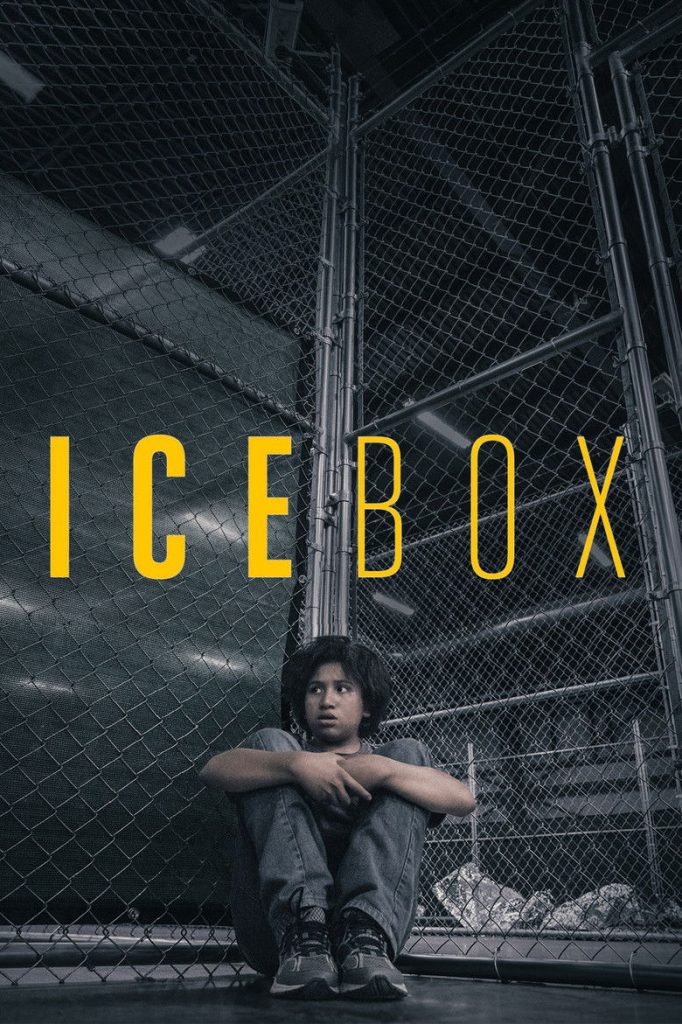
Icebox is a 2018 drama film that follows the journey of a young boy navigating the complexities of the U.S. immigration system. The story explores themes of family separation, resilience, and the challenges faced by migrants. It portrays the emotional and bureaucratic hurdles encountered in detention centers. The film offers a humanizing perspective on immigration issues through the eyes of a child.
Parent Guide
A thoughtful drama about immigration and family separation, suitable for mature discussions with older children and teens.
Content breakdown
Contains tense situations related to detention and separation, but no physical violence.
Themes of family separation and institutional confinement may be emotionally challenging, especially for sensitive viewers.
Minimal strong language, consistent with TV-14 rating.
No sexual content or nudity present.
No depiction of substance use.
High emotional content related to separation, uncertainty, and institutional experiences.
Parent tips
This film deals with mature themes related to immigration, detention, and family separation, which may be distressing for younger viewers. Parents should be prepared to discuss these topics with sensitivity, as the content reflects real-world issues that can evoke strong emotions. Consider watching together with children aged 10 and above to provide context and support during difficult scenes.
Parent chat guide
Parent follow-up questions
- What did you notice about how the boy felt in the movie?
- How do you think families help each other?
- What makes you feel safe when you're away from home?
- How would you describe the main character's journey?
- What challenges did the boy face, and how did he handle them?
- Why is it important to be kind to people who are new to our country?
- What does 'home' mean to you?
- What did you learn about the immigration system from this film?
- How did the movie show the importance of family connections?
- What emotions did you feel while watching, and why?
- How can communities support people going through difficult transitions?
- How does this film humanize the immigration experience?
- What systemic issues does the movie highlight about detention centers?
- How does the child's perspective affect how we understand these issues?
- What responsibilities do societies have toward migrant children?
- How can art like this film influence public understanding of complex topics?
🎭 Story Kernel
Icebox isn't really about border crossings or political statements—it's about the systematic dehumanization of a child through institutional indifference. The core theme is the transformation of childhood into a commodity within America's immigration detention system. Oscar's journey from playful boy to institutionalized number demonstrates how bureaucracy erases identity faster than any physical barrier. The film's power lies in showing how well-meaning but overwhelmed systems—from social workers to detention officers—become complicit in psychological violence through routine and protocol. What drives characters isn't malice but the chilling normalization of treating children as administrative problems rather than human beings.
🎬 Visual Aesthetics
Director Daniel Sawka uses a clinical, almost documentary-style visual approach that makes the horror more potent. The color palette shifts from warm, saturated tones in Honduras to sterile blues and grays in detention—a visual metaphor for emotional freezing. Handheld camerawork creates intimacy during Oscar's journey, while static shots in detention emphasize institutional confinement. The 'icebox' itself is filmed with fluorescent lighting that washes out skin tones, making children appear ghostly. Most striking are the overhead shots of detention facilities—they resemble circuit boards or ant farms, reducing human movement to patterns. The visual language suggests surveillance footage, implicating the viewer as passive observer.
🔍 Details & Easter Eggs
💡 Behind the Scenes
The film's authenticity comes from director Daniel Sawka's background—he spent months visiting actual detention centers and interviewing detained children. Lead actor Anthony Gonzalez (Oscar) was 12 during filming and drew from his own family's immigration experiences. The detention center scenes were shot in a decommissioned juvenile facility in New Mexico, with former detention officers consulted for procedural accuracy. Notably, the film's minimal score was intentional—composer Giona Ostinelli used only piano and string harmonics to avoid emotional manipulation. The project began as a short film that went viral after screenings at immigration advocacy events, leading to HBO picking it up for distribution.
Where to watch
Choose region:
- HBO Max
- HBO Max Amazon Channel
- Amazon Video
- Google Play Movies
- YouTube
- Fandango At Home
- Apple TV
Trailer
Trailer playback is unavailable in your region.