
Iceman: The Time Traveler (2018)
Story overview
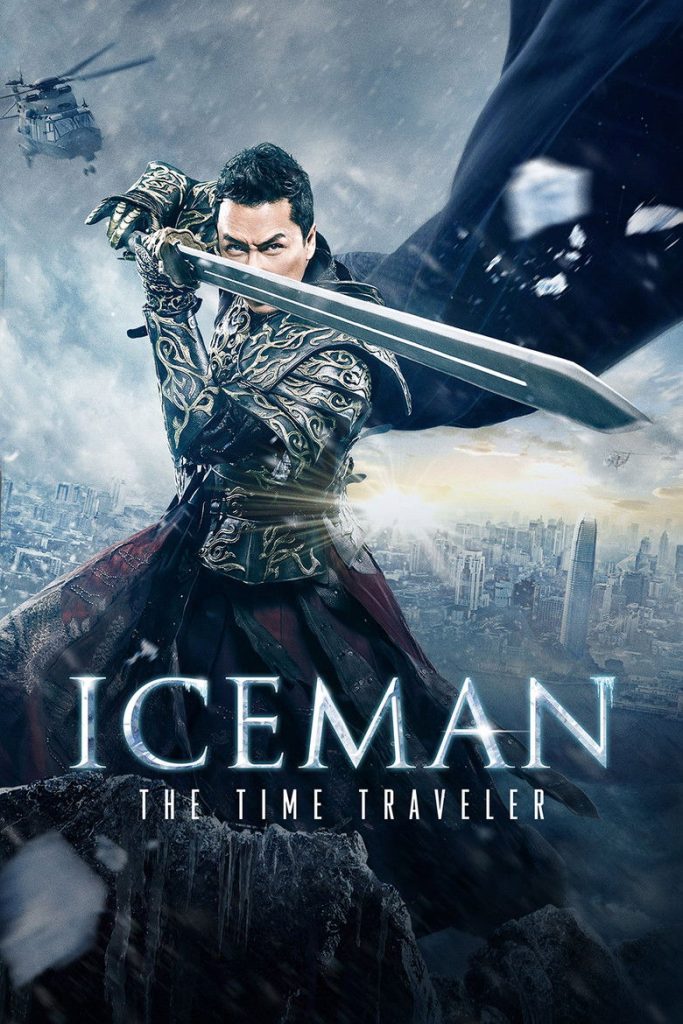
In 2018's 'Iceman: The Time Traveler,' an imperial guard from the Ming Dynasty and his three former friends, now traitors ordered to hunt him, are accidentally frozen during a battle. After 400 years, they are defrosted in modern-day China, where their ancient conflict reignites amidst comedic and action-packed encounters, blending historical drama with contemporary chaos.
Parent Guide
A martial arts action-comedy with historical themes, featuring moderate violence and comedic moments. Best for children aged 8 and up with parental guidance due to fight scenes and mild peril.
Content breakdown
Stylized martial arts fights with punches, kicks, and weapon use (e.g., swords, staffs), but little blood or gore. Characters face peril from battles and freezing accidents, but outcomes are often humorous or non-lethal.
Mildly intense scenes during fights and freezing sequences; no graphic horror or jump scares. The comedic tone reduces scariness.
No offensive language noted; dialogue is in Chinese with possible subtitles, focusing on action and plot.
No sexual content or nudity; characters are dressed in historical or modern attire without suggestive scenes.
No depiction of alcohol, drugs, or smoking; the focus is on action and comedy.
Moderate excitement during action sequences, with light-hearted moments that keep emotional intensity low. Themes of betrayal and friendship are present but not deeply explored.
Parent tips
This film features moderate martial arts violence with stylized fighting, some perilous situations, and comedic elements that may appeal to older children. Consider previewing for intense scenes and discussing historical versus modern themes. Suitable for ages 8+ with guidance.
Parent chat guide
Parent follow-up questions
—
- What was funny about the characters in the modern world?
- How did the friends solve their problems?
- Why do you think the characters kept fighting after 400 years?
- How does the movie show differences between ancient and modern China?
- What themes of loyalty and betrayal are explored in the film?
- How does the comedy balance the action and historical elements?
🎭 Story Kernel
The film's core theme is the paradox of identity when severed from one's original timeline. He Ying's journey isn't about saving the world but reclaiming a self that no longer exists. His motivation shifts from duty to a desperate search for meaning in a reality where his loved ones are either dead or strangers. The villain's obsession with immortality mirrors He Ying's own struggle—both are trapped by time, one by extending it, the other by being displaced within it. Ultimately, the movie questions whether a person can exist without their context, making it less about martial arts and more about philosophical displacement.
🎬 Visual Aesthetics
The film employs a stark contrast between ancient and modern aesthetics. The Ming Dynasty sequences use warm, earthy tones and steady camerawork, while present-day scenes are bathed in cold blues and grays with frenetic, shaky action shots. The action choreography blends traditional wuxia elegance with gritty, modern brutality—He Ying's ice-based powers create beautiful, crystalline visuals that shatter violently. Symbolically, ice represents both preservation and fragility, mirroring his trapped state. The time-travel effects use practical water and ice elements rather than CGI, giving the transitions a tangible, visceral quality that grounds the fantastical premise.
🔍 Details & Easter Eggs
💡 Behind the Scenes
Donnie Yen performed most of his stunts despite being in his mid-50s during filming, incorporating his signature MMA-inspired moves into the period combat. The ice cave sets were built in a refrigerated warehouse in Hengdian, with temperatures kept below freezing, causing visible breath in scenes. Director Raymond Yip intentionally avoided green screens for time-travel effects, using practical ice sculptures and water explosions. The film's original Chinese title translates more literally to 'The Iceman's Time-Traveling Great War,' emphasizing its genre-blending nature.
Where to watch
Choose region:
- Amazon Prime Video
- fuboTV
- Peacock Premium
- Hi-YAH
- Amazon Prime Video with Ads
- Peacock Premium Plus
- Hi-YAH Amazon Channel
- The Roku Channel
- Pluto TV
- Amazon Prime Video Free with Ads
- Tubi TV
- Amazon Video
- Apple TV Store
- Google Play Movies
- YouTube
- Fandango At Home
Trailer
Trailer playback is unavailable in your region.