
If These Walls Could Sing (2022)
Story overview
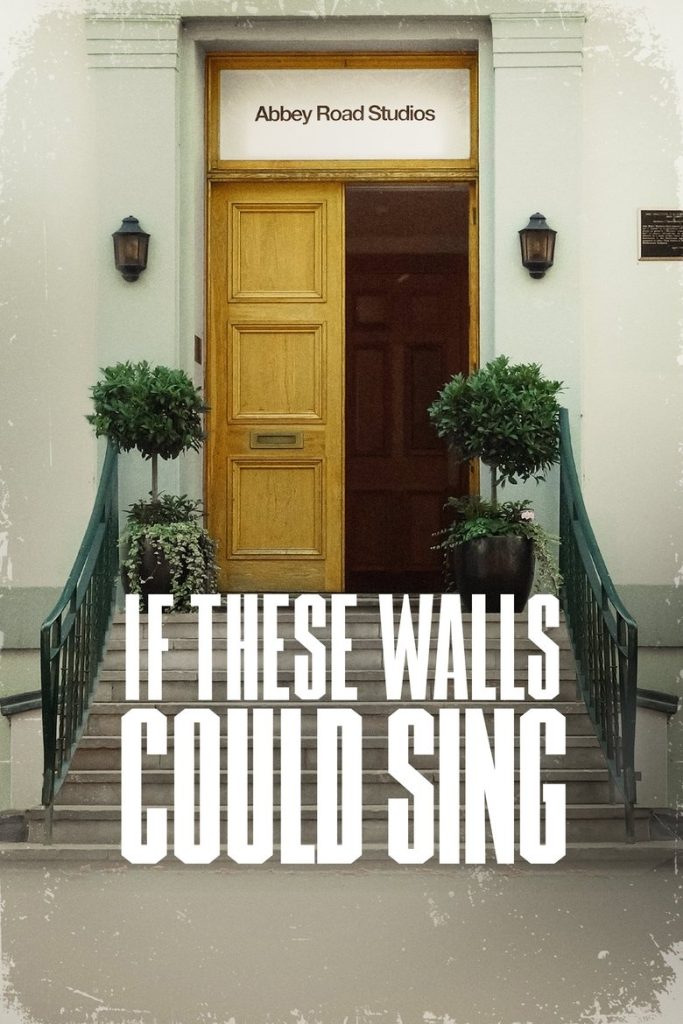
If These Walls Could Sing is a 2022 documentary that explores the rich history of Abbey Road Studios, one of the world's most famous recording facilities. Through interviews with musicians like Paul McCartney, Ringo Starr, and the Gallagher brothers, the film reveals how this iconic studio shaped music history across genres from classical to rock. The documentary provides intimate access to the studio premises and features archival footage, offering viewers a behind-the-scenes look at legendary recording sessions and the creative processes that produced timeless music.
Parent Guide
A family-friendly documentary celebrating musical history and creativity at one of the world's most famous recording studios. The content is educational and inspiring, focusing on artistic achievement rather than controversial subjects.
Content breakdown
No violence, peril, or dangerous situations depicted. The film focuses entirely on music production and historical context.
No scary or disturbing content. The tone is consistently positive and celebratory of musical achievement.
May contain occasional mild language consistent with TV-14 rating, but no strong profanity expected given the documentary's educational focus and musical subject matter.
No sexual content or nudity. The documentary maintains a professional focus on music history and production.
May contain brief references to historical context of substance use in music culture, but not depicted or glorified. The focus remains on artistic creation.
Some emotional moments when musicians discuss their creative journeys or historical significance, but overall maintains an informative rather than intense emotional tone.
Parent tips
This documentary is suitable for families with children interested in music history. The TV-14 rating suggests it may contain some material that parents might find unsuitable for children under 14, but the content is primarily educational and celebratory. Consider watching together to discuss the cultural significance of the music featured. The film's focus on artistic creation and historical context makes it a valuable viewing experience for developing appreciation of musical heritage.
Parent chat guide
Parent follow-up questions
- Did you like the music in the movie?
- What was your favorite instrument to see?
- Can you name any of the people we saw making music?
- What do you think makes Abbey Road Studios special?
- Which musician would you like to learn more about?
- How do you think recording music today is different from when The Beatles recorded there?
- Why do you think Abbey Road became such an important place for music?
- How did different musical styles develop at the same studio?
- What challenges do you think musicians face when recording music?
- How has the role of recording studios evolved in the digital age?
- What cultural impact did Abbey Road have beyond just music?
- How do you think the collaborative environment at Abbey Road influenced the music created there?
🎭 Story Kernel
The film is less about Abbey Road Studios as a physical space and more about it as a crucible for creative vulnerability. The driving force isn't fame or money, but the desperate, collaborative need to capture a fleeting moment of artistic truth. We see this through the lens of artists from The Beatles to modern composers, all seeking that same sanctuary. The real plot is the studio's transformation from a simple recording facility into a psychological safe house where egos are checked at the door and raw, unfiltered creation becomes possible. The tension comes from the constant threat of that magic being lost to commercial pressures or changing technology.
🎬 Visual Aesthetics
The camera work is intimate and observational, favoring close-ups on hands adjusting knobs, fingers on fretboards, and the worn grain of the studio floorboards over sweeping glamour shots. The color palette is deliberately muted—lots of warm wood tones, the grey of vintage equipment, and soft studio lighting—which makes the archival footage and album art that bursts onto the screen feel all the more vibrant and alive. This visual language reinforces the theme: the magic isn't in spectacle, but in the focused, tactile process. Shots often linger on empty rooms, suggesting the ghosts of performances past.
🔍 Details & Easter Eggs
💡 Behind the Scenes
The documentary was directed by Mary McCartney, daughter of Paul McCartney, granting her unique access and a deeply personal perspective. It was filmed over several years, capturing the studio during both iconic anniversary celebrations and quiet, empty weekdays. Notably, securing interviews and archival footage involved navigating the complex rights and estates of countless legendary artists who have recorded there, making the final edit a logistical feat as impressive as the music it celebrates.
Where to watch
Choose region:
- Disney Plus
- Hulu
Trailer
Trailer playback is unavailable in your region.