
If You’re Not in the Obit, Eat Breakfast (2017)
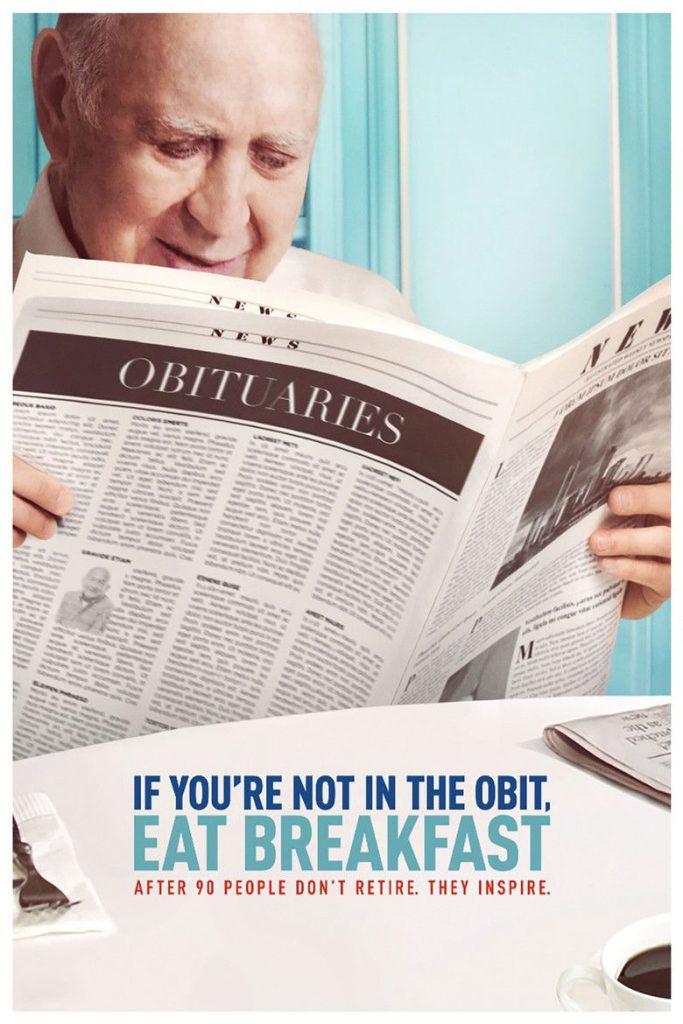
Story overview
This uplifting documentary follows 94-year-old Carl Reiner as he interviews fellow nonagenarians and centenarians like Mel Brooks, Dick Van Dyke, and Betty White, exploring how they maintain vitality, creativity, and joy in their later years. Through candid conversations and personal stories, the film celebrates aging positively, highlighting resilience, humor, and the pursuit of passions regardless of age.
Parent Guide
A wholesome and inspiring documentary with no concerning content, ideal for family viewing. It promotes positive messages about aging, resilience, and joy.
Content breakdown
No violence, peril, or dangerous situations depicted.
Nothing scary or disturbing; the tone is consistently upbeat and reflective.
No profanity or strong language; conversations are polite and humorous.
No sexual content, nudity, or romantic themes.
No depiction of substance use, smoking, or drinking.
Mild emotional moments as cast members reflect on aging and life experiences, but overall uplifting and positive.
Parent tips
This documentary is family-friendly and suitable for most ages, focusing on positive themes of aging and resilience. For younger children (under 8), some concepts about aging or historical references might be abstract, but the film's tone is gentle and inspiring. No content warnings are needed, as it lacks violence, strong language, or mature themes. It's a great conversation starter about respect for elders and lifelong learning.
Parent chat guide
Parent follow-up questions
- Who was your favorite person in the movie and why?
- What makes you happy like the people in the film?
- Can you draw a picture of something fun to do when you're older?
- How do the people in the movie stay so active and cheerful?
- What did you learn about getting older from this documentary?
- Why do you think humor is important as we age?
- What challenges of aging did the film show, and how did people overcome them?
- How does this documentary change your view of elderly people?
- What passions or hobbies from the film inspire you to try?
- Discuss the film's message about productivity and happiness in later life—do you agree?
- How does the film address societal attitudes toward aging?
- What lessons from these nonagenarians apply to your own life goals?
🎭 Story Kernel
The film isn't a simple celebration of longevity; it's a radical interrogation of what society deems 'old.' It argues that the true conflict isn't against mortality, but against the cultural narrative of decline. The characters are driven not by a fear of death, but by a profound, joyful rebellion against the expected script of their later years—inertia, nostalgia, and disengagement. Their vitality stems from a conscious choice to remain curious, creative, and connected, framing each day not as a countdown but as an ongoing project. The core theme is the active construction of meaning, suggesting that fulfillment is a verb you practice, not a state you passively achieve.
🎬 Visual Aesthetics
The cinematography consciously avoids sterile, clinical, or overly sentimental visuals. Instead, it employs a warm, naturalistic palette with abundant sunlight and vibrant, lived-in environments—cluttered studies, active studios, bustling kitchens. Camera work is intimate and observational, often using close-ups on hands at work (painting, typing, gardening) and faces alight with expression, emphasizing agency and engagement over frailty. There's a deliberate lack of slow-motion or gauzy filters often used to denote 'wisdom'; these subjects are shown in the crisp, immediate present. The visual language asserts that their world is not sepia-toned memory but is vividly, Technicolor now.
🔍 Details & Easter Eggs
💡 Behind the Scenes
The documentary's provocative title is inspired by comedian George Burns, who famously read the obituaries every morning and said, 'If you're not in the obit, eat breakfast.' Director Danny Gold drew from over 400 hours of footage, focusing on subjects like 93-year-old fashion icon Iris Apfel and 100-year-old pianist Irving Fields. Notably, the production avoided using a traditional narrator, allowing the centenarians' own voices and philosophies to drive the narrative entirely, a structural choice that mirrors the film's theme of self-determination. Much of the filming occurred in the subjects' own homes and workspaces to capture authentic, uncurated moments of daily life.
Where to watch
Choose region:
- HBO Max
- HBO Max Amazon Channel
Trailer
Trailer playback is unavailable in your region.