
Ikiru (1952)
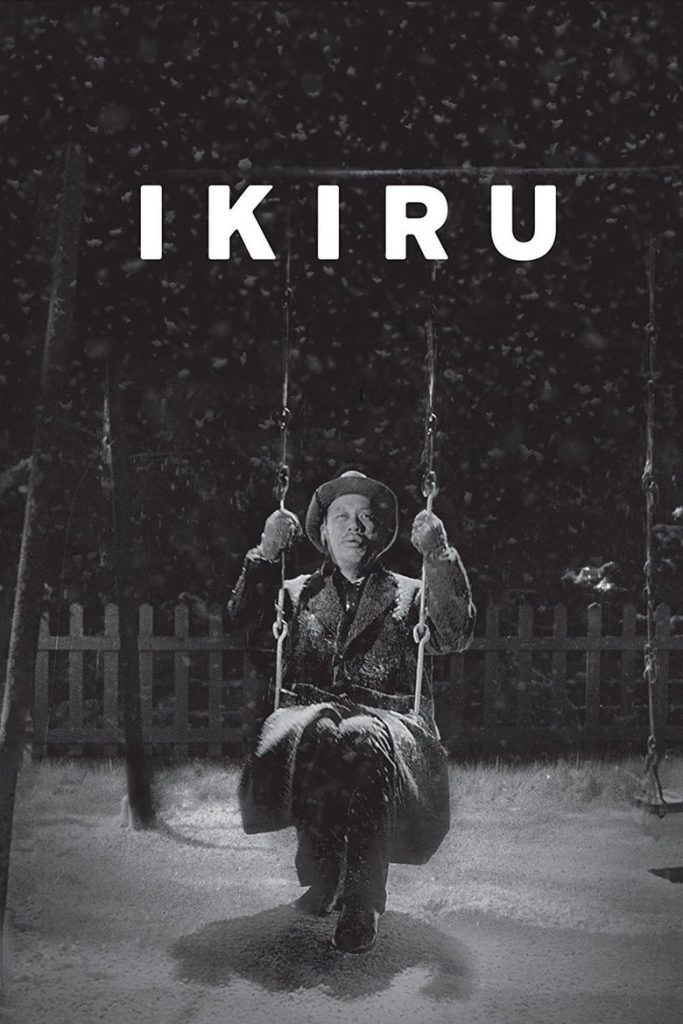
Story overview
Ikiru is a Japanese drama about a middle-aged bureaucrat who discovers he has a terminal illness. This realization prompts him to search for meaning and purpose in the remaining time he has. The film explores themes of mortality, bureaucracy, and finding significance in everyday life through quiet reflection and small actions.
Parent Guide
A contemplative drama about mortality and purpose, suitable for mature viewers who can engage with its philosophical themes.
Content breakdown
No physical violence or perilous situations.
Themes of terminal illness and mortality may be emotionally challenging for sensitive viewers.
No offensive language.
No sexual content or nudity.
Brief social drinking scenes in bars.
Strong emotional themes about life, death, and legacy throughout the film.
Parent tips
Ikiru is a thoughtful, slow-paced film that deals with mature themes of mortality, existential purpose, and bureaucratic frustration. While there's no graphic content, the emotional weight and philosophical nature make it more suitable for older children and teenagers who can engage with its themes. The film's contemplative pace and black-and-white cinematography might challenge younger viewers' attention spans, but it offers valuable discussions about life's meaning and legacy.
Parents should be aware that the film's central theme involves a character facing terminal illness, which could be emotionally difficult for sensitive viewers. The story unfolds through quiet moments and character development rather than dramatic action, making it an excellent choice for families interested in international cinema and meaningful conversations about life choices.
Parent chat guide
After watching, ask open-ended questions about what they thought the film was saying about how we spend our time and what makes life meaningful. Discuss how different cultures approach similar themes and how the film's quiet moments conveyed emotions without dramatic action. This can lead to conversations about personal values and how small actions can create positive change.
Parent follow-up questions
- What did you notice about how the people talked in the movie?
- How did the man feel when he learned he was sick?
- What colors did you see in the movie?
- Why do you think the main character wanted to do something special?
- How did people help each other in the story?
- What made this movie different from other movies you've seen?
- What do you think the film was saying about how people spend their time?
- How did the character's illness change his perspective on life?
- What challenges did the main character face in trying to make a difference?
- How does the film explore the tension between bureaucracy and human compassion?
- What commentary does the film offer about finding meaning in modern life?
- How does the cinematography and pacing contribute to the film's themes?
🎭 Story Kernel
At its core, 'Ikiru' explores the existential crisis of a man who realizes he has never truly lived. Kanji Watanabe, a lifelong bureaucrat, discovers he has terminal cancer and confronts the emptiness of his existence. The film dissects the human condition through his desperate quest for meaning in his remaining months. Watanabe's transformation from passive civil servant to determined activist—driven to build a children's playground against bureaucratic inertia—reveals Kurosawa's critique of modern alienation. The film's genius lies in showing how Watanabe's death gives others permission to examine their own lives, creating a ripple effect of self-reflection among his colleagues.
🎬 Visual Aesthetics
Kurosawa employs stark visual contrasts to mirror Watanabe's internal journey. Early scenes use rigid compositions and shadowy lighting to trap Watanabe in his bureaucratic prison. After his diagnosis, the camera becomes more fluid, following him through Tokyo's neon-lit nightlife in a desperate search for meaning. The famous swing scene—where Watanabe sings 'Gondola no Uta' in the snow—uses simple, poignant framing to capture his fleeting moment of joy. The film's final third shifts to a bureaucratic wake, using static shots and group compositions to show how Watanabe's colleagues process his legacy while remaining trapped in their own routines.
🔍 Details & Easter Eggs
💡 Behind the Scenes
Takashi Shimura, who played Watanabe, lost significant weight during filming to authentically portray a dying man. Kurosawa shot the famous swing scene in one take at 4 AM during a real snowstorm. The film was partly inspired by Leo Tolstoy's 'The Death of Ivan Ilyich,' with Kurosawa adapting the existential themes to postwar Japanese society. Interestingly, the bureaucratic scenes were so accurate that actual government workers complained they felt personally criticized.
Where to watch
Choose region:
- HBO Max
- HBO Max Amazon Channel
- Criterion Channel
- Amazon Video
- Apple TV
- Google Play Movies
- YouTube
- Fandango At Home
- Kanopy
Trailer
Trailer playback is unavailable in your region.