
I’m No Longer Here (2019)
Story overview
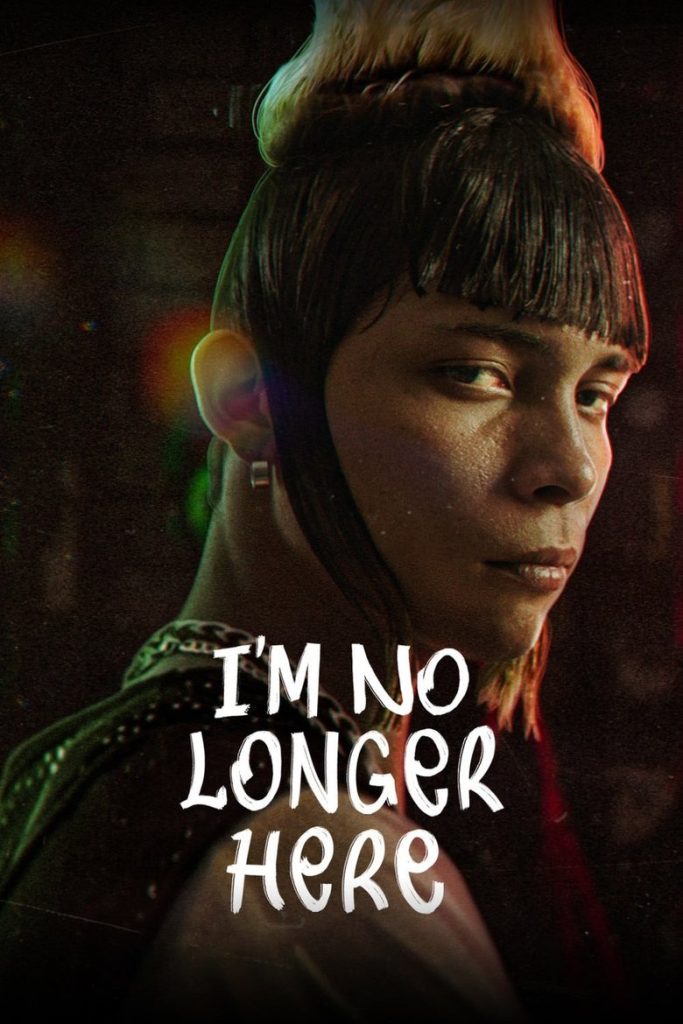
I'm No Longer Here is a 2019 drama film that follows a young man's journey of displacement and cultural adaptation. The story explores themes of identity, belonging, and the challenges of navigating unfamiliar environments. Through its narrative, the film examines how individuals cope with loss and change while trying to preserve their sense of self.
Parent Guide
A drama exploring mature themes of cultural displacement and identity with a TV-MA rating indicating content for mature audiences.
Content breakdown
May include tense situations or conflicts typical of dramatic narratives about displacement.
Themes of loss, displacement, and cultural adaptation may be emotionally challenging for some viewers.
May include mature language consistent with dramatic storytelling about difficult life situations.
May include romantic elements or relationships as part of character development.
May include social drinking or substance references in cultural context.
Explores themes of identity, belonging, and cultural displacement that may provoke strong emotional responses.
Parent tips
This film deals with mature themes of cultural displacement and personal identity that may be challenging for younger viewers. The TV-MA rating suggests content suitable for mature audiences only, so parents should preview the film before deciding if it's appropriate for their family. Consider your child's emotional maturity and ability to handle complex themes about belonging and change.
Parent chat guide
Parent follow-up questions
- What was your favorite part of the movie?
- How did the characters feel when they were in new places?
- What does it mean to have a home?
- What challenges did the main character face in the story?
- How do people show they care about each other in the movie?
- What does it mean to belong somewhere?
- How does the film show the importance of cultural identity?
- What choices did characters make when facing difficult situations?
- How do people adapt to new environments in the story?
- How does the film explore themes of displacement and belonging?
- What does the story suggest about preserving cultural identity in new environments?
- How do the characters' emotional journeys reflect real-world experiences of change?
🎭 Story Kernel
The film's core isn't about gang violence or migration, but the erosion of cultural identity. Ulises isn't driven by ambition or survival in the classic sense; he's driven by the desperate need to preserve a self that's already vanishing. His 'Terkos' crew in Monterrey represents more than friendship—it's a living, breathing cultural organism defined by their slowed-down cumbia, specific hairstyles, and codes. When displaced to New York, his struggle isn't to adapt but to resist adaptation, to perform his identity for an audience that can't comprehend its context. The tragedy is that his identity, so tied to a specific place and community, cannot be transplanted; it can only be memorialized, becoming a museum piece of his former self.
🎬 Visual Aesthetics
Fernando Frías de la Parra employs a stark visual dichotomy. Monterrey is bathed in warm, saturated colors—vibrant blues, pinks, and yellows that pulse with life during the cumbia sequences, which are shot with dynamic, swirling cameras that mimic dance movements. New York is all cold, desaturated grays and blues, with static, observational framing that emphasizes Ulises's isolation. The 'slowmo' cumbia dancing isn't just a style; it's visually translated through deliberate, almost weightless camera movements and editing that contrasts sharply with the frantic, indifferent pace of his American surroundings. The haircut and clothes aren't costume design; they're visual armor that becomes increasingly absurd and poignant against foreign backdrops.
🔍 Details & Easter Eggs
💡 Behind the Scenes
The film's authenticity stems from its roots. Director Fernando Frías spent years researching the real 'Cholombiano' subculture in Monterrey. The actors playing the Terkos, including lead Juan Daniel García Treviño (Ulises), were largely non-professionals from these neighborhoods, and the dance sequences are genuine representations of the 'rebajado' style. Key scenes were shot in the actual marginalized colonies of Monterrey. The soundtrack features authentic Colombian cumbia classics, slowed down to the specific 'rebajado' tempo central to the subculture, curated with input from the community members themselves.
Where to watch
Choose region:
- Netflix
- Netflix Standard with Ads
Trailer
Trailer playback is unavailable in your region.