
I’m Still Here (2024)
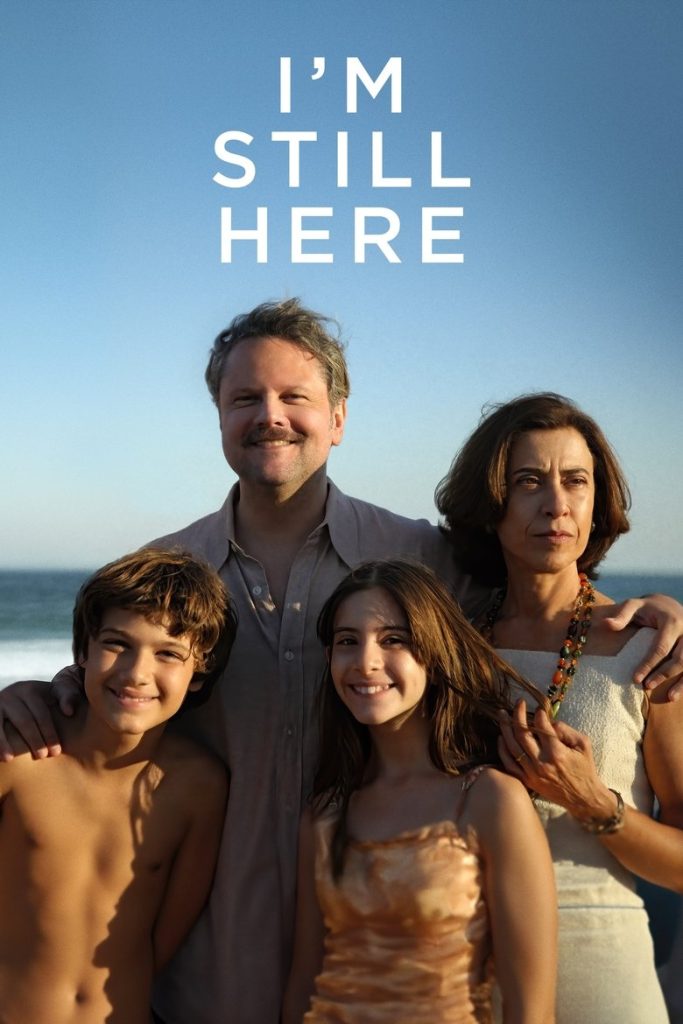
Story overview
I'm Still Here is a 2024 drama film set against a historical backdrop. The story explores themes of perseverance and resilience through challenging circumstances. While specific plot details are unavailable, the PG-13 rating suggests content may be suitable for mature audiences with parental guidance.
Parent Guide
A historical drama with themes suitable for mature audiences. Parental guidance recommended for viewers under 13 due to potentially intense themes.
Content breakdown
May include historical conflicts or tense situations typical of drama films.
Historical settings and dramatic situations could be emotionally affecting for sensitive viewers.
May include mild language consistent with PG-13 rating.
No sexual content or nudity expected based on available information.
No substance use content expected based on available information.
Dramatic historical themes may create emotional intensity for some viewers.
Parent tips
This drama film carries a PG-13 rating, indicating some material may be inappropriate for children under 13. Parents should consider their child's sensitivity to historical themes and emotional content before viewing. The film's historical context may require additional explanation for younger viewers to fully understand the narrative.
Parent chat guide
Parent follow-up questions
- What was your favorite part of the movie?
- How did the characters help each other?
- What made you feel happy or sad in the story?
- Can you draw a picture from the movie?
- What would you do if you were in the story?
- What challenges did the main characters face?
- How did the historical setting affect the story?
- What did you learn about being brave from this movie?
- How were problems solved in the film?
- What would you have done differently than the characters?
- What historical period does this film represent?
- How does the movie show people overcoming adversity?
- What themes about human resilience did you notice?
- How accurate do you think the historical portrayal was?
- What modern connections can you make to the film's events?
- How does the film handle complex historical narratives?
- What commentary does the movie make about perseverance?
- How do the characters' motivations drive the plot?
- What cinematic techniques enhanced the storytelling?
- How does this film compare to other historical dramas you've seen?
🎭 Story Kernel
At its core, Salles’s film is an intimate autopsy of political trauma, shifting the lens from the victim of state-sponsored violence to the resilience of those left in the wake. Based on Marcelo Rubens Paiva’s memoir, it centers on Eunice Paiva, who transitions from a mother and wife into a silent, steely advocate for justice after her husband, Rubens, is disappeared by the Brazilian military dictatorship. The film isn't just about the horror of the 1971 kidnapping; it’s about the decades-long endurance required to force a nation to acknowledge its crimes. It explores how a domestic space, once filled with music and laughter, becomes a fortress of survival. Through Eunice’s journey, Salles captures the agonizing wait for a truth that everyone knows but the state refuses to name, transforming personal grief into a profound political statement.
🎬 Visual Aesthetics
Adrian Teijido’s cinematography masterfully utilizes the Paiva family home in Rio as a living character. Initially, the visuals are bathed in the warm, sun-drenched textures of 1970s Brazil, emphasizing the openness and intellectual vibrancy of the household. However, as the military presence encroaches, the framing becomes increasingly claustrophobic, reflecting the psychological weight of surveillance. Salles employs a naturalistic palette that avoids the melodrama of typical historical epics, opting instead for a grounded, tactile realism. The use of archival-style textures and the deliberate pacing of domestic routines serve as a visual metaphor for the persistence of memory. The transition to the later years uses a more sterile, reflective light, highlighting the stark contrast between the vibrant past and the dignified, albeit painful, clarity of the present.
🔍 Details & Easter Eggs
💡 Behind the Scenes
Walter Salles shares a deep personal connection to the source material, as he was a close friend of the Paiva family during his youth and actually spent time in the house depicted in the film. This intimacy informs the movie's authentic atmosphere. The casting of Fernanda Torres and her mother, the legendary Fernanda Montenegro, to play Eunice at different stages of her life adds a layer of meta-textual weight, as Montenegro previously starred in Salles’s 'Central Station.' The film was shot on location in Rio de Janeiro, meticulously recreating the 1970s period detail to honor the real-life history.
Where to watch
Choose region:
- Netflix
- Amazon Video
- Apple TV
- Google Play Movies
- YouTube
- Fandango At Home
- Plex
Trailer
Trailer playback is unavailable in your region.