
In the Mood for Love (2000)
Story overview
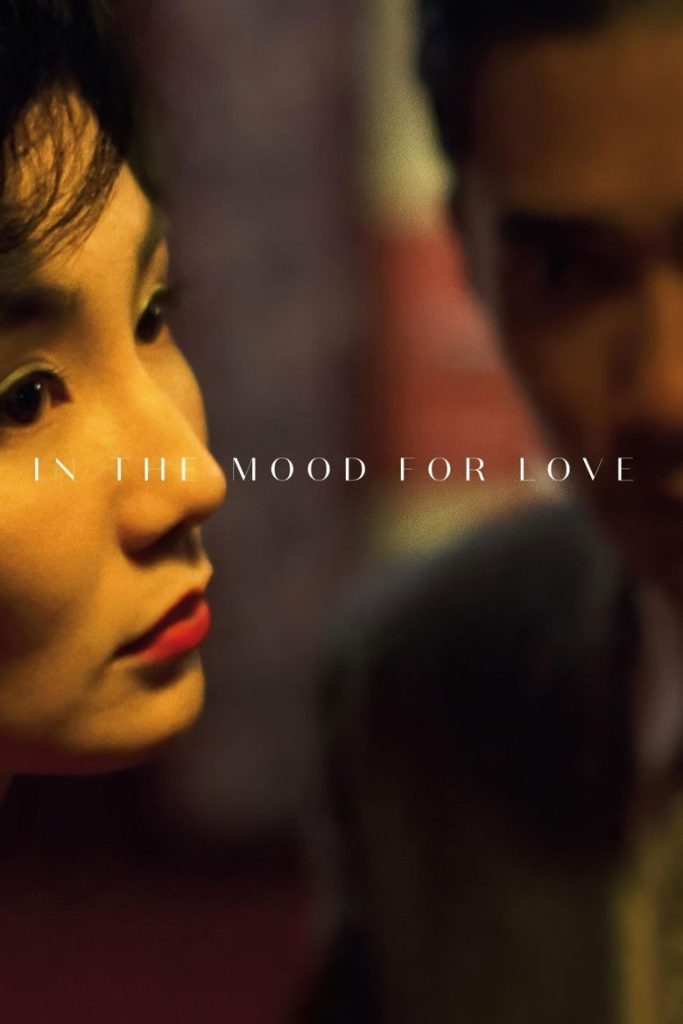
In the Mood for Love is a 2000 romantic drama set in 1960s Hong Kong. The film follows two neighbors who discover their spouses are having an affair with each other. As they spend time together to understand what happened, they develop a deep emotional connection while navigating societal expectations and personal morals. The story explores themes of loneliness, unspoken love, and the constraints of tradition.
Parent Guide
A restrained romantic drama exploring emotional connections and societal constraints, suitable for mature viewers who appreciate subtle storytelling.
Content breakdown
No violence, action, or physical peril present.
Some emotional tension and themes of betrayal might be unsettling for sensitive viewers.
No offensive language or profanity.
Implied marital infidelity and romantic longing, but no explicit scenes or nudity.
No depiction of substance use.
Strong themes of loneliness, longing, and emotional restraint throughout.
Parent tips
This film is suitable for mature children and teenagers who can appreciate subtle emotional storytelling. The PG rating reflects its restrained approach to adult themes. Parents should be aware that while there's no explicit content, the film deals with marital infidelity and emotional longing in a sophisticated manner that younger viewers might not fully grasp.
Consider watching this with older children (12+) as it provides excellent opportunities to discuss relationships, cultural norms, and how films can convey emotions through visuals and music rather than dialogue. The slow pacing and atmospheric style might challenge younger viewers' attention spans.
Parent chat guide
For older viewers, explore themes of societal pressure versus personal happiness, and how different cultures approach relationships. The film's historical setting in 1960s Hong Kong provides context for discussing how social expectations have changed over time.
Parent follow-up questions
- What colors did you notice most in the movie?
- How did the music make you feel?
- What was your favorite outfit the characters wore?
- Why do you think the two main characters became friends?
- How did the movie show they were feeling sad or lonely?
- What places did they visit together in the neighborhood?
- How did the characters show they cared about each other without saying it?
- Why do you think they followed certain rules about how to behave?
- What did you notice about how people lived in 1960s Hong Kong?
- How does the film explore the tension between desire and duty?
- What commentary does the film make about societal expectations versus personal fulfillment?
- How does the cinematography and music contribute to the emotional impact of the story?
🎭 Story Kernel
At its core, 'In the Mood for Love' explores the profound loneliness of urban life and the unspoken rules of social propriety that trap its protagonists. Chow Mo-wan and Su Li-zhen discover their spouses are having an affair, yet instead of confronting them or seeking revenge, they reenact the infidelity through their own cautious, restrained interactions. Their relationship becomes a performance—a way to understand what their partners felt while simultaneously punishing themselves for desiring the same connection. The film suggests that sometimes the most intense romances are those that never fully materialize, existing instead in the liminal space between reality and fantasy. Their mutual restraint becomes both a form of respect and a tragic barrier to genuine intimacy.
🎬 Visual Aesthetics
Wong Kar-wai's visual language creates a suffocating intimacy through tight corridors, narrow staircases, and doorways that frame characters like paintings. The recurring motif of slow-motion shots—particularly of Maggie Cheung's elegant dresses swaying as she walks—elevates mundane moments into poetic gestures. The color palette is dominated by rich reds, greens, and yellows that saturate the 1960s Hong Kong setting, creating a nostalgic, almost dreamlike atmosphere. Camera work often positions characters in separate frames or behind barriers (windows, curtains, railings), visually emphasizing their emotional isolation. The frequent use of mirrors reflects their duplicitous lives and the personas they present to the world.
🔍 Details & Easter Eggs
💡 Behind the Scenes
Maggie Cheung wore 23 different cheongsams throughout the film, each meticulously designed by costume designer William Chang to reflect Su Li-zhen's emotional state and the era's aesthetics. The cramped apartment scenes were shot in actual Hong Kong tenements, with crew members having to shoot through windows due to space constraints. Tony Leung and Maggie Cheung reportedly maintained professional distance during filming to preserve their characters' chemistry of restrained longing. The iconic score by Shigeru Umebayashi was originally composed for another project but was repurposed after Wong Kar-wai heard it and found it perfectly captured the film's melancholic romance.
Where to watch
Choose region:
- HBO Max
- HBO Max Amazon Channel
- Criterion Channel
- Shout! Factory TV
- Amazon Video
- Apple TV
- Google Play Movies
- YouTube
- Fandango At Home
Trailer
Trailer playback is unavailable in your region.