
In the Name of the Father (1993)
Story overview
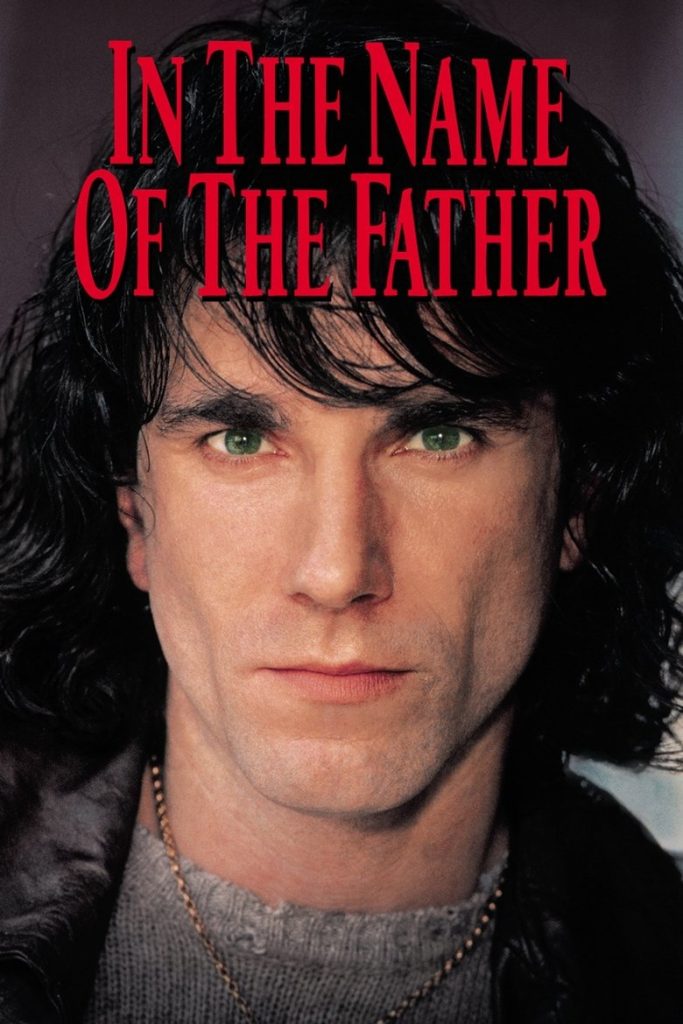
This historical drama tells the story of a man wrongfully convicted for a terrorist bombing in London. He and his father endure years of imprisonment while fighting to clear their names. The film explores themes of injustice, family bonds, and the struggle for truth within the legal system.
Parent Guide
A serious drama about wrongful conviction and imprisonment with mature themes and intense emotional content.
Content breakdown
Includes scenes of prison violence, physical confrontations, and tense situations involving law enforcement. Some scenes show characters in perilous situations.
Contains disturbing themes of injustice, imprisonment, and the emotional trauma of being wrongfully accused. Scenes of interrogation and prison life may be unsettling.
Includes strong profanity and harsh language throughout, consistent with prison settings and high-stress situations.
Minimal sexual content; may include brief references or mild romantic elements.
Some scenes may include smoking or social drinking, typical of the time period depicted.
High emotional intensity throughout, dealing with themes of injustice, family separation, and the psychological impact of imprisonment.
Parent tips
This R-rated film deals with serious themes including wrongful imprisonment, legal injustice, and the emotional toll of incarceration. The content is intense and includes strong language, depictions of prison violence, and mature discussions about terrorism and justice. Due to the heavy subject matter and emotional intensity, this film is best suited for mature teenagers who can process complex social and legal issues.
Parent chat guide
Parent follow-up questions
- What did you notice about the people in the story?
- How did the characters show they cared about each other?
- What was your favorite part of the movie?
- How did the music make you feel?
- What colors did you see in the movie?
- How did the main character feel when he was treated unfairly?
- Why is it important to tell the truth?
- What does it mean to be brave?
- How did the family members help each other?
- What would you do if you saw someone being treated unfairly?
- What does justice mean to you?
- How do people prove they're telling the truth?
- What are some ways people can stand up for what's right?
- Why is it important to understand different perspectives in conflicts?
- How can systems sometimes make mistakes?
- What systemic factors contributed to the wrongful conviction?
- How does the film portray the relationship between individual rights and national security?
- What ethical dilemmas do the legal professionals face?
- How does incarceration affect family relationships over time?
- What contemporary parallels can you draw to this historical case?
🎭 Story Kernel
At its core, 'In the Name of the Father' is less about proving innocence and more about the transformative power of paternal love within institutional oppression. Gerry Conlon's journey from rebellious youth to broken prisoner is catalyzed by his father Giuseppe's unwavering dignity. The real conflict isn't against the British legal system—it's Gerry's internal battle between his anarchic individualism and the responsibility modeled by his father. The film argues that true freedom comes not from escaping prison walls, but from embracing the moral inheritance Giuseppe offers in their shared cell. Their relationship becomes a microcosm of resistance, where quiet integrity proves more revolutionary than any protest.
🎬 Visual Aesthetics
Director Jim Sheridan employs a gritty, desaturated palette that mirrors the emotional landscape—gray prison walls, muted Belfast streets, and the oppressive beige of interrogation rooms. The camera often adopts a claustrophobic closeness during prison scenes, making viewers feel the suffocating confinement. Contrast this with the warm, golden-hued flashbacks of childhood Belfast, creating nostalgia for a lost innocence. Notice how lighting evolves: harsh fluorescent interrogation lights give way to the softer, almost sacred glow during Giuseppe's death scene, visually marking Gerry's spiritual transformation. The film's visual language consistently privileges intimate human moments over political spectacle.
🔍 Details & Easter Eggs
💡 Behind the Scenes
Daniel Day-Lewis spent weeks in prison cells to understand confinement and reportedly remained in character throughout filming, even requesting crew members address him as 'Gerry.' Emma Thompson joined the project after reading the script overnight, calling it 'the most urgent story she'd ever encountered.' The real Guildford Four attended the premiere—their emotional reaction to Pete Postlethwaite's performance as Giuseppe was reportedly what moved the actor most. Sheridan filmed the prison scenes in Dublin's Kilmainham Gaol, an actual historical prison, adding palpable authenticity to every barred window and echoing corridor.
Where to watch
Choose region:
- Amazon Video
- Apple TV
- Google Play Movies
- YouTube
- Fandango At Home
Trailer
Trailer playback is unavailable in your region.