
In the Same Breath (2021)
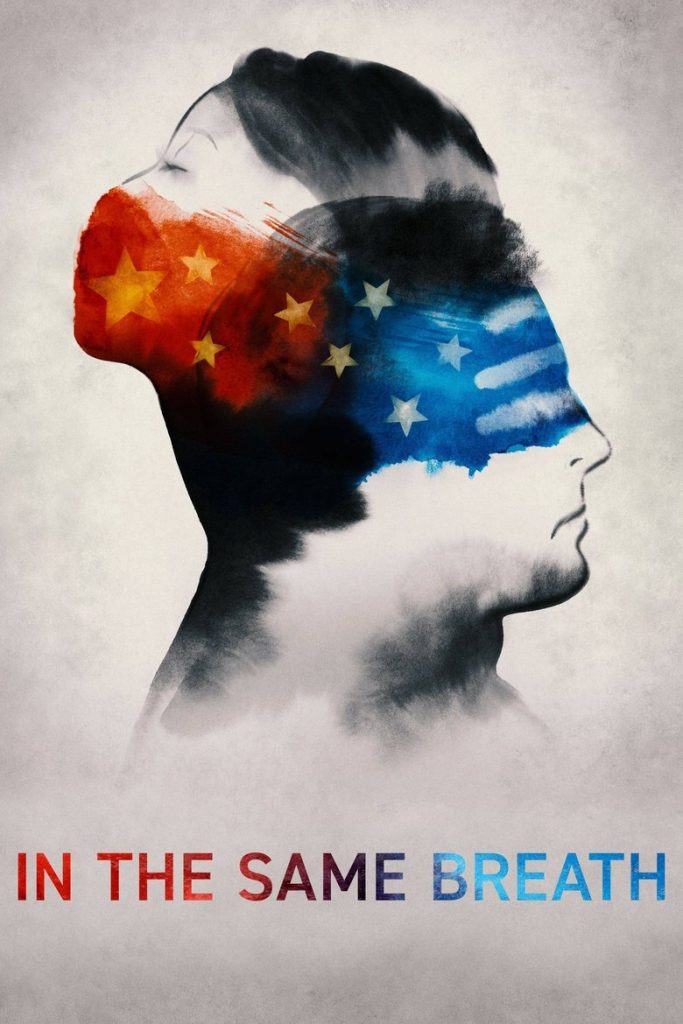
Story overview
In the Same Breath is a 2021 documentary that explores the early days of the COVID-19 pandemic, comparing responses in Wuhan, China, and the United States. It features personal stories from affected individuals, healthcare workers, and journalists, highlighting challenges like misinformation, government handling, and public health impacts. The film aims to provide a factual, human-centered perspective on a global crisis.
Parent Guide
A documentary about the COVID-19 pandemic with moderate emotional intensity due to real-world themes of illness and crisis. Suitable for ages 10+ with parental guidance, as it requires maturity to handle discussions of death and public health failures.
Content breakdown
No physical violence, but includes peril from the pandemic: footage of crowded hospitals, people in distress, and discussions of life-threatening illness. Some scenes may feel tense or anxious.
Potentially disturbing due to real footage of sick patients, medical settings, and mentions of death. The pandemic context might evoke fear or sadness, especially for children who experienced lockdowns or loss.
No offensive language noted; the documentary uses factual and interview-based dialogue in English and subtitled Chinese.
No sexual content or nudity.
No depiction of substance use.
Emotionally intense due to themes of illness, grief, and crisis. Includes personal stories of loss and hardship, which may be upsetting for sensitive viewers. Encourages empathy and reflection on global events.
Parent tips
This documentary deals with the COVID-19 pandemic, which may be emotionally intense for children who lived through it. It includes real footage of hospitals, illness, and discussions of death, but no graphic violence or explicit content. Best suited for older children and teens who can process complex topics. Watch together to provide context and reassurance.
Parent chat guide
Parent follow-up questions
- What did you learn about staying healthy?
- How can we help others when they are sick?
- Why was it important for people to share their stories in the film?
- What are some ways communities can work together during a crisis?
- How did misinformation affect the pandemic response in the film?
- What differences did you notice between how China and the U.S. handled the outbreak?
- What ethical issues arise in documenting a crisis like this?
- How does the film challenge or support your views on government and media roles in public health?
🎭 Story Kernel
The film's core is a forensic examination of narrative construction. It's not merely about the COVID-19 outbreak in Wuhan and the U.S., but about the parallel, competing stories manufactured by the Chinese and American governments to control public perception. The real driver isn't the virus, but the desperate human need for a coherent, controllable narrative in the face of chaos. The documentary juxtaposes citizen journalists in China risking everything to document overflowing hospitals with the Trump administration's press briefings, revealing how both systems, despite opposing ideologies, weaponize information to manufacture consent and deflect blame, turning a public health crisis into a theater of political performance.
🎬 Visual Aesthetics
The visual language is starkly bifurcated. Footage from Wuhan is often grainy, shaky, and intimate—clandestine smartphone videos from inside hospitals, capturing raw panic and exhaustion. This contrasts sharply with the polished, sterile visuals of U.S. government press conferences, framed with wide shots of podiums and flags. The color palette is deliberately muted: clinical whites and blues of official broadcasts versus the grim, fluorescent-lit greens and grays of overwhelmed medical facilities. This dichotomy isn't just aesthetic; it visually codes the tension between sanitized official narratives and the messy, human reality they seek to suppress.
🔍 Details & Easter Eggs
💡 Behind the Scenes
Director Nanfu Wang, known for 'One Child Nation,' filmed significant portions remotely from the U.S. due to travel restrictions, collaborating with and sourcing footage from a network of citizen journalists and activists on the ground in China. This method itself became part of the film's thesis, demonstrating how truth-gathering adapted under lockdown. The inclusion of the now-infamous 'Chinese Virologist' Zoom interview, where the participant's identity and message are heavily contested, was a deliberate choice to showcase the murkiness of information in the digital age, making the audience experience the same uncertainty faced by early investigators.
Where to watch
Choose region:
- HBO Max
- HBO Max Amazon Channel
Trailer
Trailer playback is unavailable in your region.