
In the Shadow of the Towers: Stuyvesant High on 9/11 (2019)
Story overview
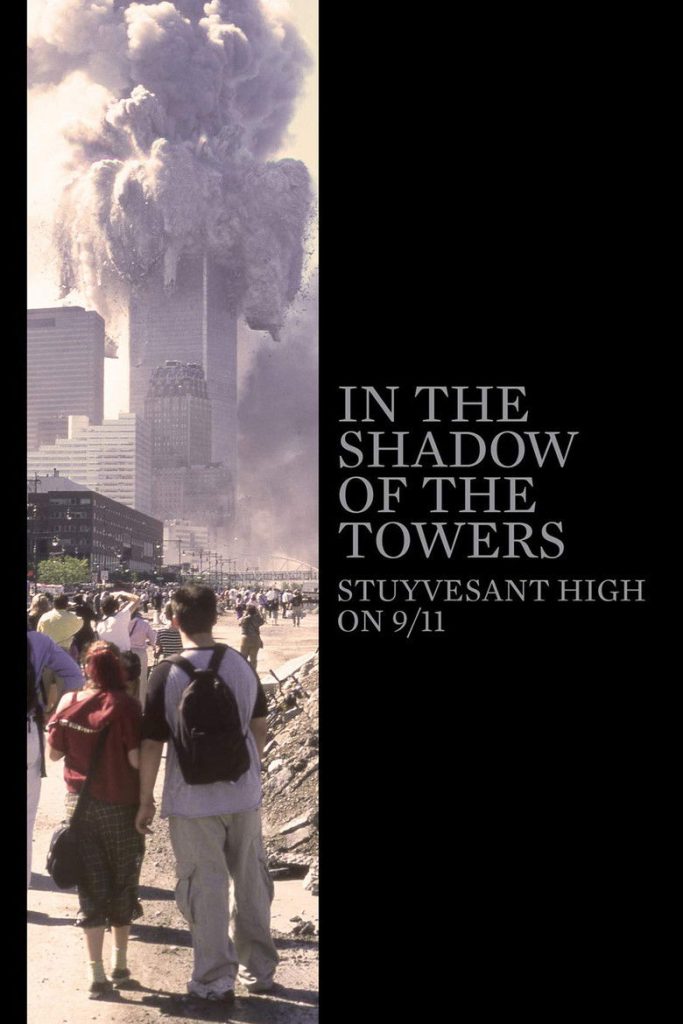
This documentary features eight former students from Stuyvesant High School, located just blocks from the World Trade Center, recounting their firsthand experiences as teenagers on September 11, 2001. Through personal interviews, they describe witnessing the attacks, fleeing through debris-filled streets, and navigating the chaos to find their way home, offering a unique perspective on the historic event from young eyewitnesses.
Parent Guide
A documentary focusing on personal, non-graphic accounts of 9/11 from teenage perspectives. Suitable for mature children who can handle discussions of terrorism and disaster, with parental guidance recommended due to emotional intensity.
Content breakdown
No visual depictions of violence; descriptions of the attacks and fleeing from debris are present but not graphic. Peril is implied through personal stories of danger and chaos.
Themes of terrorism, disaster, and personal trauma may be disturbing. Accounts of witnessing the towers collapse and navigating hazardous conditions can evoke fear or anxiety, especially for sensitive viewers.
No offensive language noted; the documentary maintains a respectful, interview-based tone.
No sexual content or nudity.
No substance use depicted or discussed.
High emotional intensity due to firsthand accounts of a traumatic historical event. Themes of fear, loss, and resilience may provoke strong feelings; parental support is advised for processing these emotions.
Parent tips
This documentary deals directly with the traumatic events of 9/11 through personal accounts. Consider your child's emotional maturity and prior knowledge of the topic. Watch together to provide context and support. The TV-14 rating reflects intense themes, but there is no graphic violence shown. Be prepared to discuss terrorism, loss, and community response. The runtime is short (35 minutes), making it manageable for focused viewing and discussion.
Parent chat guide
Parent follow-up questions
- How do you think the kids felt when they saw the big buildings? What would you do if you needed help getting home?
- Why do you think people remember 9/11? How did the students stay safe? What does 'community' mean in a story like this?
- What challenges did the students face during their journey home? How might their experiences have changed them? Why is it important to listen to eyewitness stories?
- How does this personal perspective differ from historical accounts of 9/11? What role does trauma play in shaping memory? Discuss the ethical considerations of documenting such events through youth narratives.
🎭 Story Kernel
The film isn't about 9/11 as a national tragedy, but as an intensely personal, localized rupture in adolescence. It explores how trauma becomes woven into ordinary coming-of-age moments—studying for AP exams while watching your neighborhood burn, navigating first loves amid collective grief. The real conflict isn't against terrorists but against the erasure of their specific experience by broader narratives. These students aren't heroes or victims in the traditional sense; they're witnesses whose classroom became ground zero's front porch, forcing them to mature overnight while the world told them they were too young to understand what they'd seen.
🎬 Visual Aesthetics
The documentary employs a stark visual dichotomy: present-day interviews are shot in crisp, clean HD against neutral backgrounds, while archival footage from 2001 is grainy, shaky, and washed in the surreal gray-beige of dust and debris. This creates a psychological split between memory and reflection. The camera lingers on mundane school artifacts—lockers, hallways, yearbook photos—investing them with haunting significance. Most powerfully, it uses the school's proximity to the towers as a visual anchor; windows that once framed a familiar skyline instead frame collapsing giants, making the architecture itself a character in the trauma.
🔍 Details & Easter Eggs
💡 Behind the Scenes
The documentary was directed by Amy Schatz and features entirely real alumni and faculty from Stuyvesant High School, not actors. Much of the 2001 footage comes from a student-run TV news program and personal camcorders, giving it an urgent, unfiltered quality. The school, located just four blocks from the World Trade Center, was used as a triage center and later had to be extensively decontaminated. Many participants had not seen each other since graduation before these interviews, making the reunions emotionally charged moments that inform the film's raw authenticity.
Where to watch
Choose region:
- HBO Max
- HBO Max Amazon Channel
- Amazon Video
- Apple TV Store
- Google Play Movies
- YouTube
- Fandango At Home
Trailer
Trailer playback is unavailable in your region.