
Indigo Girls: It’s Only Life After All (2024)
Story overview
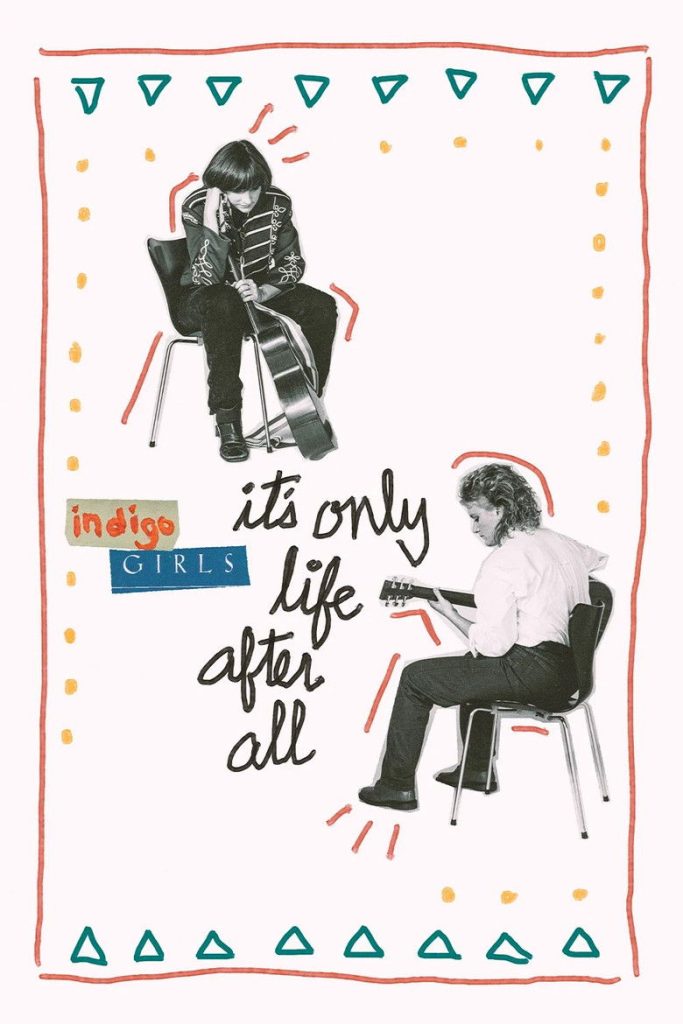
This documentary offers an intimate portrait of the Indigo Girls, exploring their songwriting process, personal journeys, and cultural impact through archival footage and contemporary interviews. It focuses on their music's storytelling and how it resonated with a generation, providing insight into their artistic collaboration and social activism.
Parent Guide
A thoughtful documentary about musical creativity and social consciousness that's appropriate for most audiences. Contains discussions of social issues and personal identity that may require context for younger viewers.
Content breakdown
No violence or peril depicted. The film focuses on musical performances, interviews, and archival footage.
No scary or disturbing content. The tone is reflective and informative throughout.
May contain occasional mild language typical of documentary interviews. No strong profanity expected.
No sexual content or nudity. The film may discuss LGBTQ+ themes in the context of the artists' identities and activism.
No depiction or discussion of substance use. Focus is on musical creativity and social issues.
Some emotional moments when discussing personal journeys and social causes, but overall maintains a reflective, informative tone.
Parent tips
This documentary is suitable for most families, especially those interested in music, social issues, or LGBTQ+ representation. It may inspire discussions about creativity, activism, and personal identity. Consider watching together to explore the themes of artistic expression and social change.
Parent chat guide
Parent follow-up questions
—
- What instruments did you see in the movie?
- What was your favorite song?
- What do you think makes good music?
- How do you think music can help people express their feelings?
- What social issues did the Indigo Girls talk about in their songs?
- Why do you think collaboration is important in making music?
- How does this documentary change your understanding of the Indigo Girls' impact on music and culture?
- What connections do you see between their personal stories and their songwriting?
- How do artists balance creative expression with social activism?
🎭 Story Kernel
At its heart, the documentary is an exploration of the enduring creative and platonic partnership between Amy Ray and Emily Saliers. It transcends the standard rock-doc formula by focusing on the friction and harmony of their distinct personalities: Ray’s gritty, punk-influenced intensity and Saliers’ intricate, melodic sensitivity. The film expresses the necessity of community and the weight of being standard-bearers for queer identity during an era of overt industry hostility. It frames their career not as a climb toward commercial peaks, but as a sustained act of integrity. By examining their commitment to activism and their refusal to sanitize their message for mainstream palates, the movie illustrates how the Indigo Girls built a self-sustaining ecosystem that prioritized social justice and authentic connection over the fleeting metrics of the pop charts.
🎬 Visual Aesthetics
Director Alexandria Bombach masterfully integrates a massive cache of personal archival footage, primarily shot by Amy Ray on Hi8 and Camcorder tapes. This creates a textured, lo-fi visual language that feels like a collective memory rather than a polished corporate retrospective. The grain and jitter of the 1990s footage provide a visceral sense of time passing, contrasting with the crisp, intimate cinematography of the modern-day interviews. Bombach uses close-ups to capture the unspoken shorthand between Ray and Saliers, emphasizing their mutual gaze. The editing mimics the rhythmic structure of their songwriting, often layering historical audio over contemporary landscapes to suggest that their past is always present. Symbolically, the recurring imagery of the tour bus and the stage serves as a metaphor for their perpetual motion and refusal to be pinned down by industry expectations.
🔍 Details & Easter Eggs
💡 Behind the Scenes
Director Alexandria Bombach, an Emmy winner for 'On Her Shoulders,' spent several years gaining the duo's trust to access their personal archives. The film’s release coincided with a cultural resurgence for the band, spurred by the prominent use of 'Closer to Fine' in Greta Gerwig’s 'Barbie.' Interestingly, the documentary reveals that despite forty years of collaboration, Ray and Saliers have never had a formal legal contract between them, operating entirely on a handshake and mutual respect. The film premiered at the 2023 Sundance Film Festival to critical acclaim, specifically praising its refusal to manufacture drama where none exists.
Where to watch
Choose region:
- Netflix
- Netflix Standard with Ads
- Amazon Video
- Apple TV Store
- Google Play Movies
- YouTube
- Fandango At Home
Trailer
Trailer playback is unavailable in your region.