
Inside the Mind of a Dog (2024)
Story overview
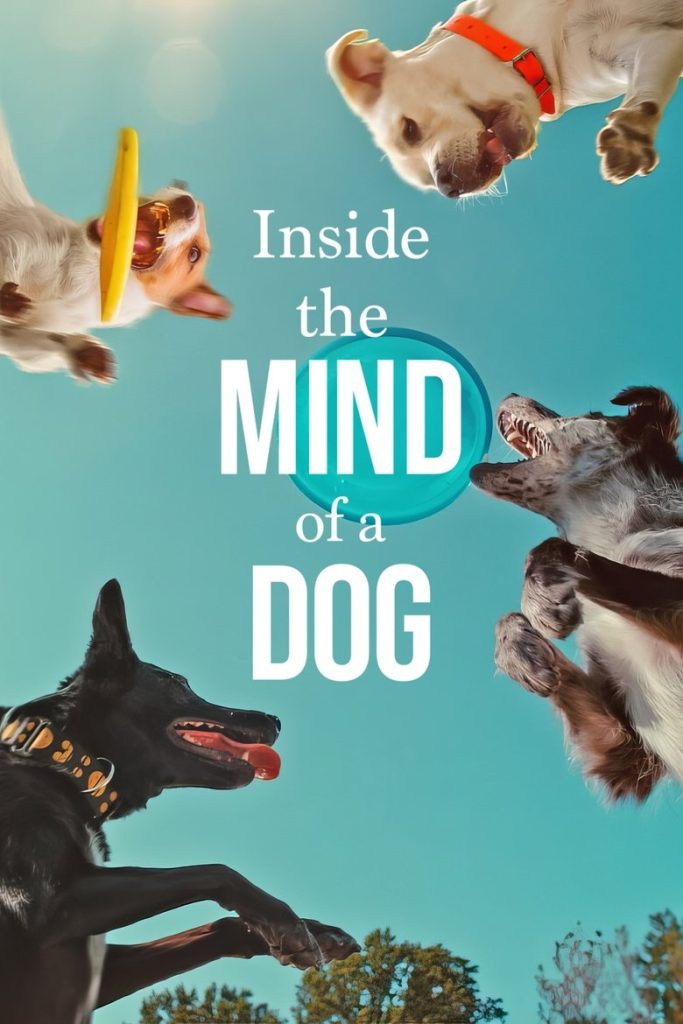
This 2024 documentary, narrated by Rob Lowe and directed by Andy Mitchell, offers a heartwarming exploration into the cognitive and emotional lives of dogs. Combining scientific research with touching real-life stories, it reveals how dogs perceive the world, form bonds with humans, and express emotions. The film is designed to be both educational and emotionally engaging, celebrating the special relationship between humans and their canine companions.
Parent Guide
A family-friendly documentary that combines science and heartwarming stories about dogs. Perfect for animal-loving families and educational viewing.
Content breakdown
No violence or peril depicted. The documentary focuses on positive interactions between humans and dogs.
No scary or disturbing content. Some emotional moments involving dogs may be touching but not frightening.
No inappropriate language. The narration and interviews use educational, family-appropriate vocabulary.
No sexual content or nudity. The documentary maintains a scientific and educational focus throughout.
No depiction of substance use. The content is entirely focused on dog behavior and human-animal relationships.
Some heartwarming stories about dogs and their human companions may evoke emotional responses, particularly for viewers with strong attachments to pets. The overall tone is positive and uplifting.
Parent tips
This documentary is ideal for families with children who love animals. It presents scientific concepts in an accessible way, making it suitable for school-aged kids. The emotional stories about dogs may resonate deeply with sensitive viewers, so be prepared for discussions about pet ownership, loss, or animal welfare. The TV-PG rating indicates it's generally appropriate for all ages, but younger children might need explanations of some scientific terms or emotional moments.
Parent chat guide
Parent follow-up questions
- Which dog was your favorite?
- What sounds do dogs make?
- How do dogs show they're happy?
- What did you learn about how dogs communicate?
- Why do you think dogs and humans get along so well?
- How can we be good friends to dogs?
- What scientific discoveries about dog intelligence surprised you most?
- How do the emotional lives of dogs compare to humans?
- What responsibilities come with understanding animals better?
- How does this documentary challenge common misconceptions about animal intelligence?
- What ethical considerations arise from our understanding of animal emotions?
- How might this knowledge influence animal welfare policies?
🎭 Story Kernel
The documentary moves beyond surface-level 'good boy' tropes to investigate the evolutionary and cognitive bridge between humans and canines. It centers on the work of researchers like Brian Hare, exploring how dogs developed a unique 'social intelligence' that allows them to read human gestures better than even our closest primate relatives. The film posits that the bond isn't just emotional but a biological co-evolution. It examines the 'Dognition' tests, which measure empathy, communication, and memory, ultimately arguing that a dog's intelligence is not a single metric but a diverse toolkit for survival within human society. It is a celebration of the 'survival of the friendliest,' suggesting that dogs chose us just as much as we chose them, creating a symbiotic relationship rooted in mutual understanding and shared evolutionary history through thousands of years of domestication.
🎬 Visual Aesthetics
Director Andy Mitchell employs a vibrant, accessible visual palette that mirrors the energetic nature of its subjects. The cinematography utilizes high-speed cameras to capture the minute muscle movements and facial expressions of various breeds, highlighting the 'puppy dog eyes' phenomenon—the levator anguli oculi medialis muscle—in crisp detail. The film balances laboratory-style observation with warm, domestic footage, creating a contrast between clinical science and emotional reality. Infographics and playful animations are woven throughout to explain complex neurological concepts, such as how a dog's nose processes scent in 'stereo.' The use of low-angle shots—effectively a 'dog’s eye view'—recontextualizes the human world, making the familiar seem towering and scent-driven, which reinforces the film's goal of shifting the viewer's perspective into the canine mind to better understand their unique sensory experience.
🔍 Details & Easter Eggs
💡 Behind the Scenes
This documentary serves as a spiritual successor to the 2022 Netflix film 'Inside the Mind of a Cat,' also directed by Andy Mitchell. Narrator Rob Lowe brings a lighthearted tone to the project, which is fitting given his public status as a dedicated dog lover. The production collaborated heavily with the Duke University Canine Cognition Center, ensuring that the footage was backed by rigorous peer-reviewed science. Interestingly, the film features a wide variety of breeds and mixed-breed dogs to demonstrate that intelligence isn't limited to specific pedigrees, emphasizing the universal cognitive traits of the species.
Where to watch
Choose region:
- Netflix
- Netflix Standard with Ads
Trailer
Trailer playback is unavailable in your region.