
Into the Okavango (2018)
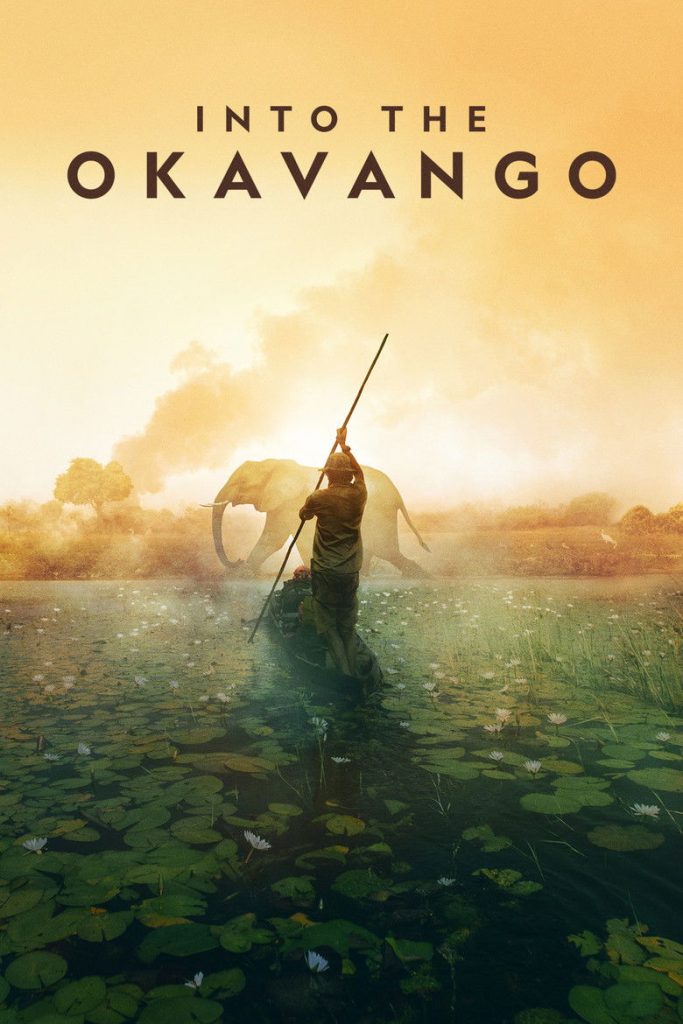
Story overview
This documentary follows a team of scientists and local guides on a challenging expedition through remote African wilderness to protect the Okavango Delta, showcasing conservation efforts, teamwork, and the beauty of nature.
Parent Guide
Educational documentary suitable for most children with mild elements of wilderness peril and emotional intensity related to environmental concerns.
Content breakdown
Scenes of wilderness survival including crossing rivers, navigating difficult terrain, and potential wildlife encounters. No graphic violence or human conflict.
Some tense moments during dangerous river crossings and discussions about environmental threats. Wildlife scenes are educational rather than frightening.
No offensive language noted. Professional and educational dialogue throughout.
No sexual content or nudity.
No substance use depicted.
Emotional moments related to conservation concerns and the importance of protecting natural habitats. Some scenes show the team facing physical challenges.
Parent tips
This educational documentary features stunning natural landscapes and focuses on environmental conservation. It includes scenes of wilderness survival, wildlife encounters, and discussions about climate change. The film promotes positive messages about teamwork, scientific exploration, and protecting natural habitats.
Parent chat guide
Parent follow-up questions
- What animals did you see in the movie?
- What was your favorite part of the journey?
- Why do you think the team was walking through the water?
- What tools did the scientists use to study the environment?
- Why was the Okavango Delta in danger?
- How did the team work together to complete their mission?
- What scientific methods were used to study the delta's ecosystem?
- How does climate change affect places like the Okavango?
- What role did local knowledge play in the expedition's success?
- What are the economic and political challenges of conservation in Africa?
- How does this documentary approach the balance between development and environmental protection?
- What ethical considerations arise when Western scientists work with indigenous communities?
🎭 Story Kernel
The film's core isn't just about documenting the Okavango Delta's ecosystem, but exposing how human intervention—both destructive and protective—has become an inseparable part of its story. It expresses the tension between conservation as a noble ideal and the messy, often contradictory reality of executing it. The characters are driven not by simple heroism, but by a desperate race against time and competing interests—scientists battling bureaucratic inertia, local communities balancing tradition with survival, and the river itself resisting human attempts to control or categorize it. Ultimately, the film suggests that saving such places requires acknowledging our complicity in their endangerment while finding humility in our attempts at repair.
🎬 Visual Aesthetics
The cinematography masterfully contrasts sweeping aerial shots of the Delta's labyrinthine waterways with intimate, shaky close-ups of scientists wading through chest-deep water. This visual language creates a dual perspective: the ecosystem as a majestic, almost alien landscape from above, and as a fragile, tactile reality from within. The color palette shifts from the bleached golds of dry seasons to the vibrant greens of flooding, mirroring the Delta's cyclical drama. Long, observational takes on animal behavior—like elephants creating water channels—serve as visual metaphors for nature's own engineering, far more elegant than human attempts. The camera often lingers on human faces etched with exhaustion and wonder, grounding the epic scale in personal stakes.
🔍 Details & Easter Eggs
💡 Behind the Scenes
Directed by National Geographic filmmaker Neil Gelinas, the documentary was shot over four years, requiring the crew to endure extreme conditions from drought to flood alongside the scientists. Notably, much of the footage was captured using custom-built, waterproof camera rigs to film from within the water itself, giving viewers an immersive, eye-level perspective of the Delta. The production faced logistical nightmares, including navigating politically sensitive regions where the Okavango's tributaries originate, and coordinating with multiple conservation NGOs. Gelinas has mentioned that some of the most revealing scenes emerged from unplanned moments, like when equipment failures forced the team to rely on local BaYei guides, highlighting the tension between Western science and indigenous knowledge that became a central theme.
Where to watch
Choose region:
- Disney Plus
- Fandango At Home
Trailer
Trailer playback is unavailable in your region.