
Inventing David Geffen (2012)
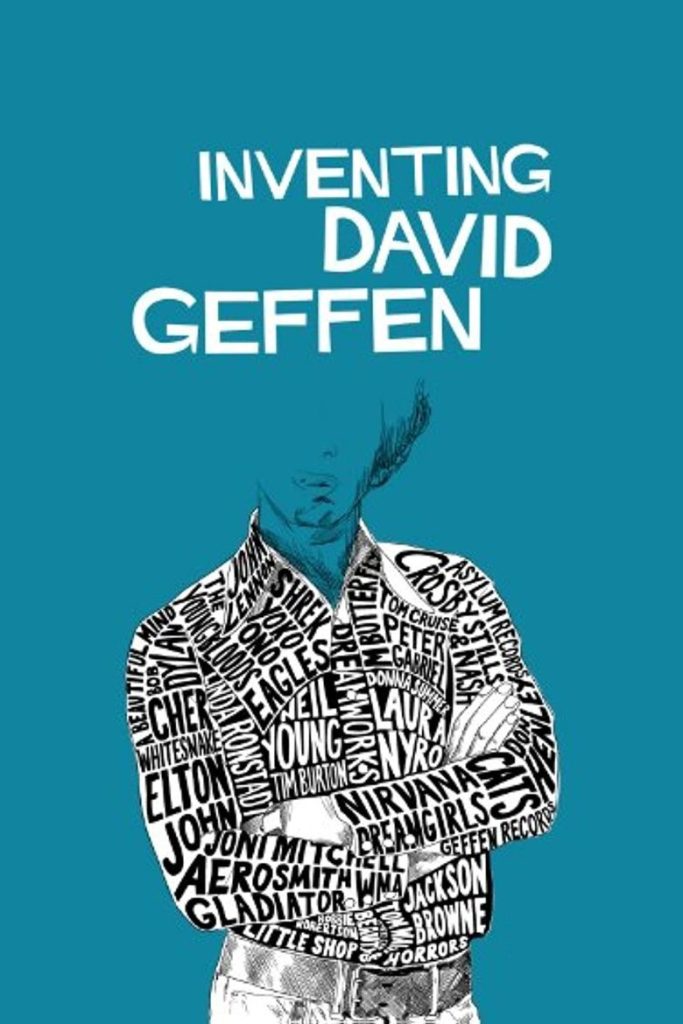
Story overview
This 2012 documentary provides an in-depth look at David Geffen's life and career, from his humble beginnings in Brooklyn to becoming a billionaire entertainment mogul. Through extensive interviews with Geffen himself and over 50 others including Tom Hanks and Elton John, the film explores his influence in music, film, theater, and philanthropy over four decades. It covers his work with artists like Joni Mitchell and Guns N' Roses, co-founding DreamWorks, producing Broadway hits like Cats, and his significant contributions to AIDS research. The documentary offers a rare personal glimpse into Geffen's professional successes, personal challenges, and complex personality.
Parent Guide
Educational documentary about entertainment industry figure with business focus and discussions of personal life. Suitable for most families with children 8+.
Content breakdown
No violence, action sequences, or peril depicted. The documentary focuses on business and personal history.
Some discussion of the AIDS epidemic and its impact, presented in historical context. Brief references to personal challenges and industry conflicts.
Occasional mild language typical of documentary interviews. No strong profanity.
References to Geffen's sexuality and relationships presented in factual, documentary style. No explicit content or nudity.
Brief historical references to entertainment industry culture. No glorification or explicit depiction of substance use.
Moderate emotional content related to career challenges, personal relationships, and discussions of serious topics like AIDS. Generally balanced tone.
Parent tips
This documentary is appropriate for most families with children ages 8 and up. The content focuses on business achievements, entertainment industry insights, and philanthropic work rather than sensational or mature themes. Parents should be aware that discussions of Geffen's personal life include references to his sexuality and relationships, though presented in a factual, documentary style. The film's length (2 hours) and business-focused content might require breaks for younger viewers. Consider watching together to discuss themes of perseverance, career development, and using success to help others.
Parent chat guide
Parent follow-up questions
—
- What job would you like to have when you grow up?
- What does it mean to help other people?
- What is a documentary?
- What kind of music do you like?
- What challenges did Geffen face in his career?
- How did he help fight AIDS?
- What different entertainment jobs did he have?
- Why do you think he was successful?
- What is philanthropy and why is it important?
- How did Geffen influence American popular culture?
- What ethical questions arise from his business practices?
- How does his personal life intersect with his professional success?
- What does his story reveal about the entertainment industry?
- How effective is philanthropy in creating social change?
- What leadership qualities did Geffen demonstrate?
🎭 Story Kernel
The film isn't a conventional biopic but a dissection of cultural power. It explores how David Geffen, a figure defined by contradictions—openly gay yet intensely private, a champion of artists yet a ruthless businessman—engineered his own mythology. The driving force isn't money or fame in a traditional sense, but an insatiable need for control over narrative, both his own and that of American pop culture. We see him not just signing artists, but curating eras, from the folk-rock of Joni Mitchell to the corporate rock of The Eagles and the Broadway spectacle of 'Cats.' His character is propelled by a deep-seated insecurity transformed into a weapon: the outsider's acute understanding of what the mainstream desires, which he then supplies, packages, and owns. The movie's real plot is the construction of the 'Geffen' persona as the ultimate power broker, revealing that his greatest invention was himself.
🎬 Visual Aesthetics
The visual language is that of curated intimacy and archival power. Interviews are shot in stark, elegant close-ups against neutral backgrounds, giving the feel of a confessional or a boardroom deposition. This contrasts sharply with the grainy, vibrant archival footage of concert riots, studio sessions, and 70s Hollywood excess. The color palette shifts with the decades: the warm, hazy tones of the Laurel Canyon folk scene give way to the sharp, saturated colors of 80s music videos and the glossy sheen of modern media empires. The camera often lingers on documents—contracts, ledger books, personal letters—framing them as the true artifacts of this story. The editing is rhythmic, using musical cues from Geffen's roster to punctuate revelations, making the soundtrack a character in itself and visually arguing that these artists' works are the bricks in his empire.
🔍 Details & Easter Eggs
💡 Behind the Scenes
The documentary, directed by American Masters, relied heavily on unprecedented access to Geffen's personal archive and his first in-depth interview in decades. Key interviews were secured with legendary, often reclusive figures like Cher, Elton John, and Barry Diller precisely because of Geffen's personal influence. A significant challenge was clearing the massive amount of iconic music and film footage, a task that ironically mirrored Geffen's own career in rights and publishing. Much of the contemporary interview footage was shot in Geffen's own homes and offices, adding a layer of authenticity and showing the environments his power built.
Where to watch
Choose region:
- HBO Max
- HBO Max Amazon Channel