
Ip Man (2008)
Story overview
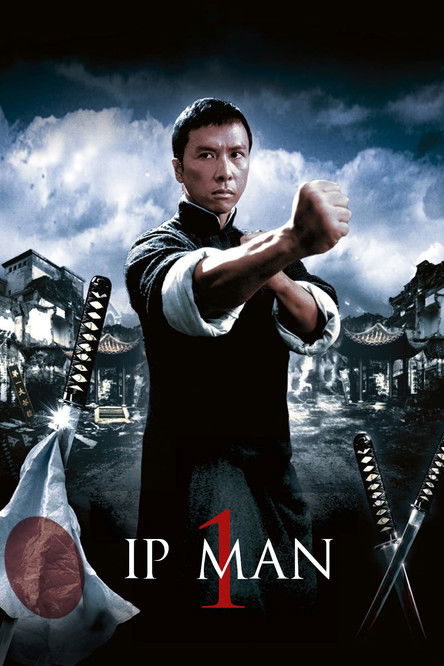
Ip Man is a 2008 biographical martial arts film that dramatizes the life of Ip Man, a legendary Wing Chun master who trained Bruce Lee. Set in 1930s Foshan, China, the story follows Ip Man as he faces personal and national challenges during the Japanese invasion. The film combines historical drama with intense martial arts action sequences, portraying themes of honor, resilience, and cultural pride.
Parent Guide
Martial arts action film with historical wartime themes, best for mature tweens and teens due to combat violence and intense situations.
Content breakdown
Frequent martial arts combat throughout, including punches, kicks, and stylized fighting. Some characters are injured or killed. Wartime occupation scenes show threat and peril.
Wartime setting and occupation themes may be intense. Martial arts combat could be disturbing to sensitive viewers. Some tense confrontations.
Minimal strong language. Occasional mild expressions.
No sexual content or nudity.
No substance use depicted.
Themes of occupation, resistance, and personal sacrifice create emotional weight. Characters face significant challenges and losses.
Parent tips
This film contains significant martial arts violence throughout, including stylized fight scenes where characters are punched, kicked, and sometimes injured or killed. The historical setting includes wartime occupation themes that may be intense for younger viewers. While there's minimal language, sexual content, or substance use, the emotional intensity and peril are notable due to the wartime context and frequent combat.
Parents should be aware that the R rating reflects the martial arts violence and some wartime brutality. The film portrays Japanese soldiers as antagonists during the occupation period, which could lead to discussions about historical conflicts and cultural perspectives. The action is stylized but realistic enough that younger children might find it disturbing.
Parent chat guide
Consider asking your child what they thought about how the characters handled conflict and adversity. The film's themes of cultural pride and resistance against oppression could lead to meaningful conversations about values and ethics. For older viewers, you might discuss the historical accuracy versus dramatic license in biographical films.
Parent follow-up questions
- What did you think about the fighting in the movie?
- How did the characters show they were friends?
- What was your favorite part of the movie?
- How did the music make you feel during different scenes?
- What colors did you notice most in the movie?
- Why do you think Ip Man chose to help his community?
- How did the characters show courage in the story?
- What did you learn about martial arts from this movie?
- How did the setting (time and place) affect the story?
- What would you do if you saw someone being treated unfairly?
- How does the film portray the importance of discipline in martial arts?
- What historical events were shown in the movie, and how did they affect the characters?
- How did Ip Man balance his personal life with his responsibilities to his community?
- What messages about honor and respect did you notice in the film?
- How does the movie show different ways people respond to difficult situations?
- How does the film use martial arts as a metaphor for larger cultural and personal struggles?
- What historical context is important to understand this story fully?
- How does the portrayal of the Japanese occupation reflect cultural perspectives?
- What ethical dilemmas do the characters face, and how do they resolve them?
- How does the film balance biographical accuracy with dramatic storytelling?
🎭 Story Kernel
At its core, 'Ip Man' is less about martial arts supremacy and more about the preservation of dignity and cultural identity under brutal occupation. The driving force isn't Ip Man's quest to be the best fighter, but his struggle to maintain his principles—non-aggression, family, and honor—when every external force demands he abandon them. His eventual fights are not victories of skill alone, but symbolic acts of reclaiming agency for his humiliated people. The character arcs, particularly General Miura's, explore how respect can transcend enmity, suggesting that true strength lies in moral conviction, not just physical power.
🎬 Visual Aesthetics
The film employs a muted, desaturated color palette, with Foshan's vibrant life draining into cold blues and grays under Japanese occupation, visually mirroring the community's suppressed spirit. The action choreography by Sammo Hung is a character in itself: Ip Man's Wing Chun is portrayed with efficient, close-quarter precision, a stark contrast to the flashy, exaggerated styles of his opponents. Wide, static shots during fights emphasize spatial awareness and control, while quick cuts are reserved for the brutal impact of blows. The final fight in the rain isn't just dramatic; the mud and water visually weigh down the combat, making every movement a struggle, reflecting the sheer physical and moral cost of the conflict.
🔍 Details & Easter Eggs
💡 Behind the Scenes
Donnie Yen, who portrays Ip Man, underwent intense Wing Chun training for months, including having his forearms repeatedly struck to harden them for the role's specific close-contact style. The film was shot in Shanghai, not Foshan, with sets meticulously recreating 1930s Guangdong. A key historical liberty is the condensed timeline and the character of General Miura, a composite figure representing Japanese militarism; the real Ip Man's challenges during the war were less publicly dramatic. Director Wilson Yip insisted on practical effects and minimal wirework to ground the fights in a palpable, visceral reality.
Where to watch
Choose region:
- Netflix
- Hulu
- fuboTV
- Peacock Premium
- FlixFling
- Hi-YAH
- Netflix Standard with Ads
- Peacock Premium Plus
- Midnight Pulp Amazon Channel
- Hi-YAH Amazon Channel
- The Roku Channel
- Fandango at Home Free
- Amazon Prime Video Free with Ads
- Tubi TV
- Amazon Video
- Apple TV
- Google Play Movies
- YouTube
- Fandango At Home
Trailer
Trailer playback is unavailable in your region.