
Ip Man 2 (2010)
Story overview
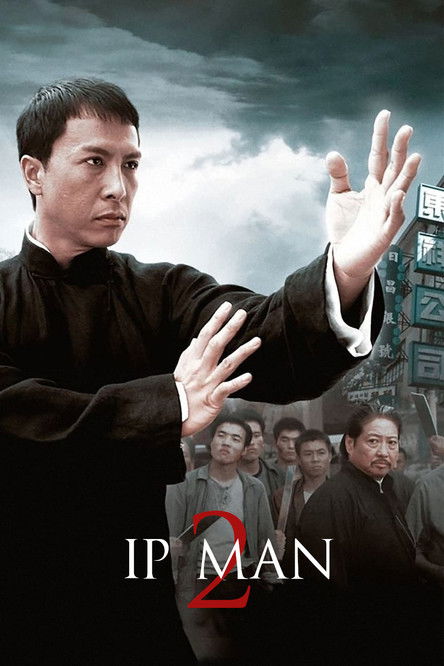
Ip Man 2 is a 2010 action drama that continues the story of the legendary Wing Chun master. The film depicts his struggles to establish a martial arts school in Hong Kong while facing challenges from rival schools and colonial authorities. It explores themes of honor, cultural pride, and perseverance through intense martial arts sequences and historical drama.
Parent Guide
Martial arts action film with historical drama elements, rated R for violence and mature themes.
Content breakdown
Contains frequent martial arts combat, fighting sequences, and physical confrontations typical of the genre.
Some intense fight scenes and dramatic conflicts may be disturbing to sensitive viewers.
General dialogue typical of action dramas; specific content unknown but R-rated suggests potential stronger language.
No sexual content or nudity expected based on genre and typical content.
No substance use expected based on genre and typical content.
Contains dramatic conflicts, cultural tensions, and intense martial arts sequences that create emotional engagement.
Parent tips
This film contains frequent martial arts violence and combat scenes that may be intense for younger viewers. The R rating suggests content suitable for mature audiences, so parents should preview or research specific content details before viewing with children. Consider the child's sensitivity to fighting and historical conflict themes when deciding appropriateness.
Parent chat guide
Parent follow-up questions
- What did you think about the fighting in the movie?
- How did the characters show they were friends?
- What was your favorite part of the story?
- How did the main character help other people?
- What did you learn about being brave?
- Why do you think the characters had disagreements?
- How did the main character show respect for others?
- What does it mean to stand up for what you believe in?
- How did the fighting scenes make you feel?
- What would you do if you saw someone being treated unfairly?
- What historical elements did you notice in the story?
- How does the film portray cultural differences and respect?
- What leadership qualities did the main character demonstrate?
- How were conflicts resolved throughout the movie?
- What messages about perseverance did you take from the film?
- How does the film explore themes of cultural identity and colonialism?
- What commentary does the movie make about martial arts philosophy versus sport?
- How are traditional values portrayed versus modern challenges?
- What did you think about the film's depiction of honor and integrity?
- How does the historical setting influence the characters' decisions and conflicts?
🎭 Story Kernel
At its core, 'Ip Man 2' explores the tension between martial arts as a cultural heritage and its commodification in a colonial context. The film contrasts Ip Man's principled, defensive Wing Chun with the aggressive, commercialized styles of other masters. The central conflict isn't just about fighting prowess but about preserving Chinese identity under British rule. Ip Man's refusal to teach for profit versus the other masters' willingness to compromise creates a moral battlefield. The climax with the British boxer Twister becomes a symbolic struggle for national dignity, transforming personal combat into political statement.
🎬 Visual Aesthetics
The film employs a deliberate visual dichotomy: the warm, earthy tones of Foshan's traditional spaces contrast sharply with the cold, sterile British colonial interiors. Fight choreography serves as character expression—Ip Man's movements remain economical and grounded, while Western boxers display exaggerated, theatrical aggression. The rope-ring sequence during the final fight visually represents cultural confinement and the struggle for space. Director Wilson Yip uses overhead shots during group fights to emphasize the chaotic pressure Ip Man faces, while intimate close-ups during one-on-one combat highlight the philosophical differences between fighting styles.
🔍 Details & Easter Eggs
💡 Behind the Scenes
Donnie Yen performed most of his own stunts despite being in his late 40s during filming. The iconic rope-ring fight was inspired by real Wing Chun training methods but exaggerated for cinematic effect. Sammo Hung, who played Master Hung and served as action director, actually injured himself during the table-top fight scene but continued filming. The British colonial office set was meticulously recreated based on historical photographs of 1950s Hong Kong government buildings. Several Wing Chun masters served as technical consultants to ensure authentic representation of the style's principles.
Where to watch
Choose region:
- Netflix
- Amazon Prime Video
- Hulu
- fuboTV
- Peacock Premium
- FlixFling
- Hi-YAH
- Netflix Standard with Ads
- Amazon Prime Video with Ads
- Peacock Premium Plus
- Midnight Pulp Amazon Channel
- Hi-YAH Amazon Channel
- The Roku Channel
- Fandango at Home Free
- VIX
- Amazon Prime Video Free with Ads
- Xumo Play
- Tubi TV
- Amazon Video
- Apple TV
- Google Play Movies
- YouTube
- Fandango At Home
Trailer
Trailer playback is unavailable in your region.