
Iron Jawed Angels (2004)
Story overview
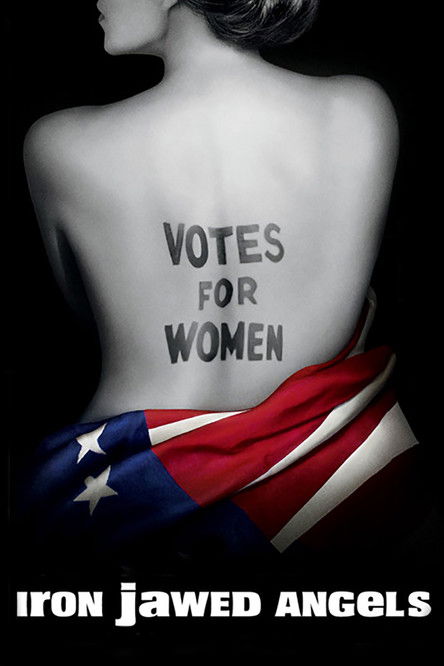
Iron Jawed Angels is a 2004 historical drama that chronicles the courageous fight of young suffragists in the early 20th century United States. Led by Alice Paul and Lucy Burns, these activists employ bold, non-violent tactics—including protests, hunger strikes, and enduring harsh imprisonment—to secure women's right to vote. The film highlights themes of perseverance, civil disobedience, and the sacrifices made for social justice, set against the backdrop of political resistance and societal change.
Parent Guide
Iron Jawed Angels is a compelling historical drama suitable for mature children and teens, offering valuable lessons on activism and equality. It contains moderate emotional intensity and some disturbing scenes related to imprisonment, but minimal violence, language, or other concerning content. Best viewed with parental guidance to discuss its themes.
Content breakdown
No graphic violence, but includes scenes of protest where activists are shoved, dragged, or arrested by police. Peril arises from imprisonment, hunger strikes, and forced feeding, which are emotionally tense but not visually graphic.
Disturbing scenes depict women enduring harsh prison conditions, hunger strikes, and forced feeding, which may be upsetting for sensitive viewers. Themes of oppression and injustice are central but handled in a historical context.
No notable profanity or offensive language; dialogue is period-appropriate and focused on political discourse.
No sexual content or nudity; the film focuses on political and social themes without romantic or intimate scenes.
No depiction of alcohol, drugs, or substance use; characters are shown in sober, activist settings.
High emotional stakes due to themes of sacrifice, injustice, and perseverance. Scenes of imprisonment and protest evoke strong feelings of empathy and tension, suitable for older children who can process historical context.
Parent tips
This film is an excellent educational tool for discussing women's history, civil rights, and activism. Parents can use it to talk about the importance of voting, gender equality, and peaceful protest. Be prepared to explain historical context, such as the early 1900s setting and the societal norms of the time. Note that while the film depicts non-violent resistance, it includes intense emotional scenes of imprisonment and hardship that may be upsetting for younger viewers. It's rated TV-14 for thematic elements and some disturbing content.
Parent chat guide
Parent follow-up questions
—
- What does it mean to vote?
- Why were the women in the movie protesting?
- How did the women help each other?
- What strategies did the suffragists use to make their point?
- Why do you think some people opposed women voting?
- How does this history relate to today's issues?
- What role did non-violent protest play in the suffrage movement?
- How does the film portray the balance between activism and personal sacrifice?
- What parallels can you draw between this movement and current social justice efforts?
🎭 Story Kernel
At its core, 'Iron Jawed Angels' is less about the triumph of suffrage and more about the brutal, personal cost of radical activism. The film expresses the agonizing choice between gradual, polite reform and disruptive, dangerous confrontation. What drives Alice Paul and Lucy Burns is not merely a political goal but a visceral rejection of being patronized and sidelined by a system—including their own movement's leadership. The narrative kernel is the transformation of activism into a form of martyrdom, where the hunger strike and force-feeding in prison become the ultimate arguments, making the women's bodies the battleground for their rights.
🎬 Visual Aesthetics
The film's visual language masterfully contrasts the suffocating propriety of the establishment with the vibrant energy of the suffragettes. Early scenes are bathed in warm, muted tones and composed with static, formal framings, mirroring the constrained world the women are expected to inhabit. As the activism intensifies, the palette shifts. The bold, graphic title cards and the stark, cold blues and grays of the prison sequences create a jarring, modern feel. The camera becomes more dynamic during protests, using handheld shots to convey chaos and urgency, while the clinical horror of the force-feeding scenes is rendered with unflinching, static close-ups that emphasize violation over action.
🔍 Details & Easter Eggs
💡 Behind the Scenes
Hilary Swank, who portrays Alice Paul, reportedly undertook significant historical research and adhered to a strict diet to authentically depict the physical deterioration during the hunger strike sequences. The film was shot primarily in Virginia, with Richmond standing in for early 20th-century Washington, D.C. Director Katja von Garnier brought a distinct European sensibility to the period piece, insisting on the modern, fragmented editing style and anachronistic music (like a track by Melissa Etheridge) to bridge the historical narrative with contemporary relevance and energy.
Where to watch
Choose region:
- HBO Max
- HBO Max Amazon Channel
Trailer
Trailer playback is unavailable in your region.