
Italian Wannabe (2026)
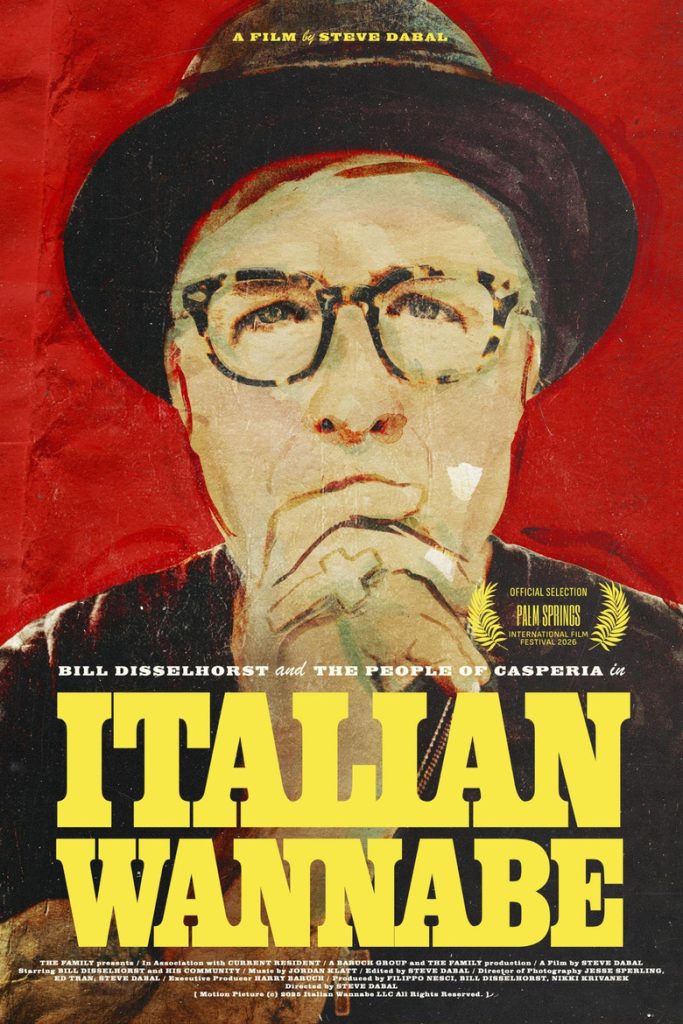
Story overview
Italian Wannabe follows a Los Angeles chef who, after selling his restaurant, returns to a small Italian village where he first discovered his passion for food. The film explores themes of identity, cultural connection, and personal renewal through the lens of culinary traditions and village life.
Parent Guide
A gentle, character-driven drama about self-discovery and cultural connection through food. Minimal concerning content makes it appropriate for most children who can follow emotional narratives.
Content breakdown
No violence, peril, or physical conflict. The film focuses entirely on personal and emotional journeys.
Nothing scary or disturbing. The tone is consistently warm and reflective throughout.
No offensive language, profanity, or harsh dialogue expected in this type of character drama.
No sexual content, romantic situations, or nudity. The focus is on personal growth and culinary themes.
Possible social drinking of wine in Italian village settings, typical of cultural depictions of European dining.
Mild emotional themes of identity crisis, nostalgia, and personal change. Some scenes may show the chef feeling lost or reflective, but nothing overwhelming.
Parent tips
This gentle drama focuses on personal growth and cultural appreciation with minimal concerning content. It's suitable for most children who can follow character-driven stories, though younger viewers might need help understanding the emotional themes of identity and change.
Parent chat guide
Parent follow-up questions
- What was your favorite food in the movie?
- Did you like the village in Italy?
- What colors did you see in the movie?
- Why do you think the chef wanted to go back to Italy?
- What did the chef learn about himself?
- How is food important in the movie?
- What does 'finding your identity' mean to you?
- How does the movie show the connection between food and culture?
- What challenges did the chef face in his journey?
- How does the film explore the theme of authenticity versus commercial success?
- What commentary does the movie make about modern life versus traditional values?
- How does the chef's journey reflect broader human experiences of self-discovery?
Where to watch
Streaming availability has not been announced yet.