It’s a Wonderful Life (1946)
Story overview
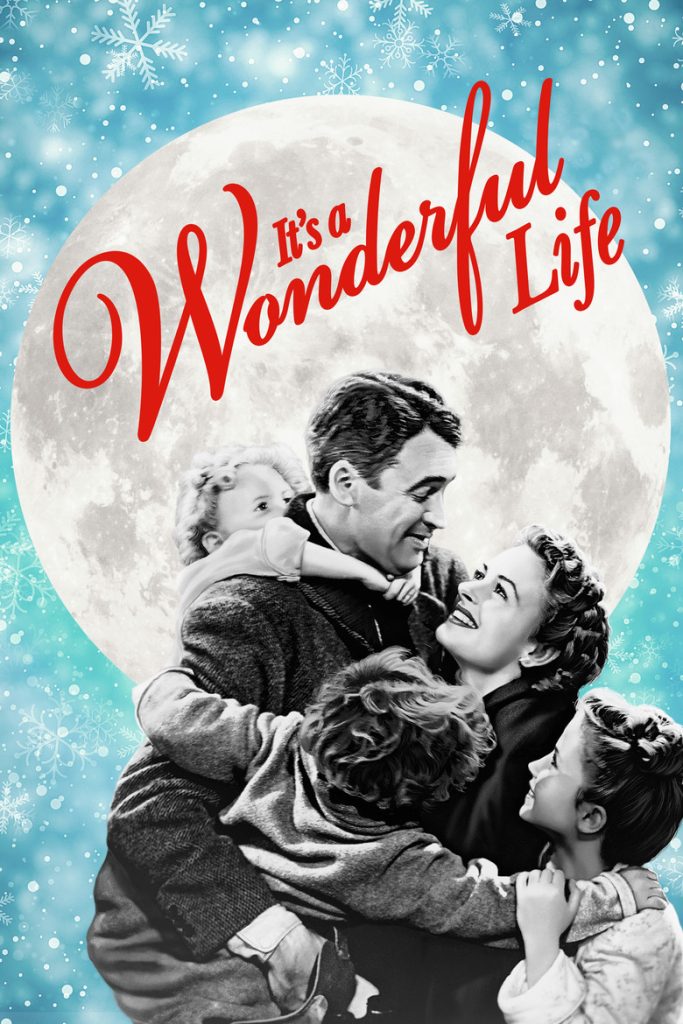
This classic holiday film follows George Bailey, a kind man who has dedicated his life to helping his community in Bedford Falls. When a financial crisis threatens everything he's built, George faces despair and questions his life's value. Through a magical intervention, he discovers the profound impact his existence has had on those around him, learning that no life is insignificant.
Parent Guide
A classic film with mature themes handled sensitively, best for children who can understand emotional complexity and historical context.
Content breakdown
Some tense moments including a potential suicide scene (handled indirectly) and financial peril.
Dark themes including despair and a vision of a world without the protagonist, but presented thoughtfully.
No concerning language.
No sexual content or nudity.
Social drinking in a few scenes, consistent with the time period.
Strong emotional themes including financial stress, responsibility, and existential questions.
Parent tips
This film deals with mature themes including financial stress, suicidal thoughts, and the weight of responsibility, though it handles them with sensitivity and ultimately delivers a positive message about community and purpose. The black-and-white cinematography and 1940s setting may require some context for younger viewers, but the emotional core remains timeless. While rated PG for thematic elements, parents should consider their child's emotional maturity when deciding if it's appropriate.
Parent chat guide
Parent follow-up questions
- What was your favorite part of the movie?
- How did the characters help each other?
- What made George feel sad?
- What made George feel happy at the end?
- What does it mean to be a good friend?
- Why was George feeling so hopeless?
- How did the people in the town show they cared about George?
- What do you think the movie is trying to teach us?
- How would you help someone who was feeling sad like George?
- What makes a community strong?
- What responsibilities was George carrying that made him feel trapped?
- How does the film show that our actions affect others?
- What does the movie suggest gives life meaning?
- How did George's perspective change throughout the story?
- What would our town be like without people who help others?
- How does the film explore the tension between personal dreams and community responsibility?
- What commentary does the movie make about wealth and power versus compassion?
- How does the fantasy element serve the story's themes?
- What does the film suggest about how we measure a successful life?
- How do the historical and economic contexts influence the characters' choices?
🎭 Story Kernel
At its core, 'It's a Wonderful Life' is a profound meditation on the invisible architecture of community. George Bailey's journey isn't about achieving grand ambitions, but about the quiet heroism of sacrifice and stewardship. His existential crisis stems from feeling his life has been a series of thwarted dreams, yet the film argues that true value lies in the web of relationships he has nurtured. Clarence's intervention isn't just about showing George what the world would be like without him; it's a brutal audit of the moral and social capital George has built through ordinary decency. The film's ultimate expression is that a life's worth is measured not by personal glory, but by its positive impact on the collective whole, making George's 'wonderful life' one defined by responsibility, not freedom.
🎬 Visual Aesthetics
The film's visual language masterfully shifts to mirror George's psychological state. Bedford Falls is rendered in warm, high-contrast lighting, with cozy interiors and bustling streets that feel lived-in and secure. Pottersville, by stark contrast, is a noirish nightmare—all harsh shadows, jarring neon signs (like the 'Nick's' bar), and chaotic, predatory energy. This visual dichotomy isn't just about good versus evil; it's a literalization of George's despair, showing how his absence erodes the very warmth and order he helped create. Key scenes use intimate close-ups to capture the anguish on Stewart's face, while the final, snow-drenched reunion employs a sweeping, communal camera movement that visually stitches George back into the fabric of the town he saved.
🔍 Details & Easter Eggs
💡 Behind the Scenes
The film was a box office disappointment upon its 1946 release, putting director Frank Capra's independent company, Liberty Films, in financial peril. Its iconic status grew from repeated television broadcasts in the 1970s and 80s, which entered the public domain due to a copyright oversight. The fake snow was a mixture of foamite (a fire-fighting chemical), soap, and water, which caused health issues for actors, as it was essentially being sprayed with soap suds in cold conditions. James Stewart, fresh from WWII service, reportedly drew on his own combat trauma to access George Bailey's depth of despair.
Where to watch
Choose region:
- Amazon Prime Video
- fuboTV
- Amazon Prime Video with Ads
- Amazon Video
- Apple TV
- Google Play Movies
- YouTube
- Fandango At Home
- JustWatchTV
- Amazon Prime Video Free with Ads
- Xumo Play
- Hoopla
- Plex
- Plex Channel
- Fawesome
Trailer
Trailer playback is unavailable in your region.