
Jackie & Oopjen (2020)
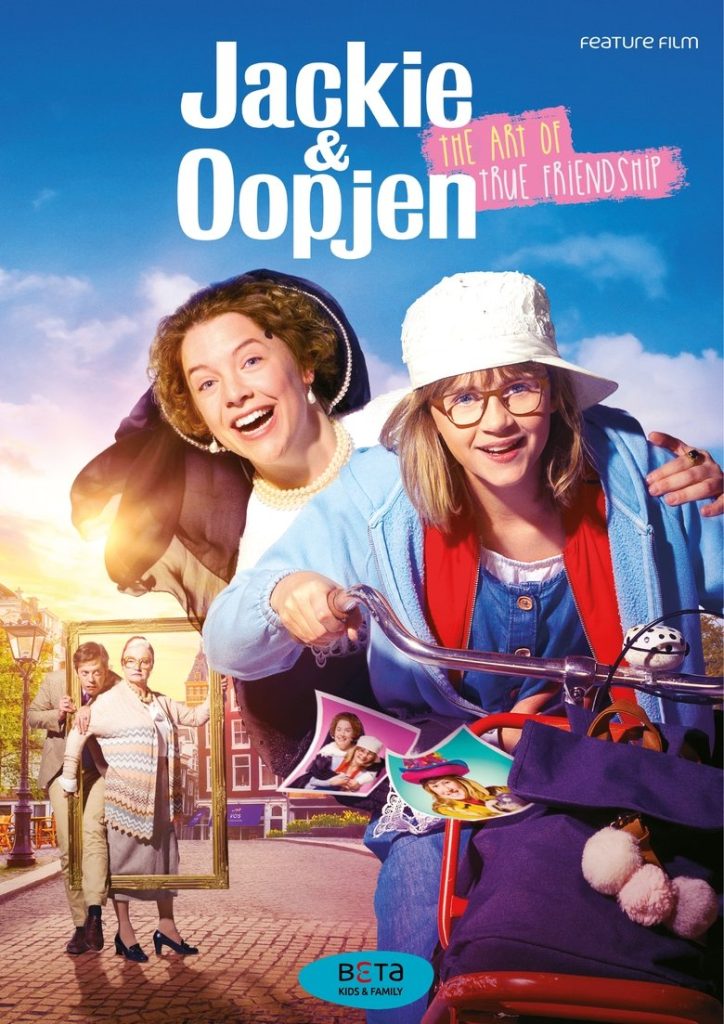
Story overview
Jackie & Oopjen is a 2020 Dutch family fantasy comedy directed by Annemarie van de Mond. The story follows 12-year-old Jackie, who spends much of her time at Amsterdam's Rijksmuseum where her mother works. One evening, Oopjen, a woman from Rembrandt's famous painting, magically comes to life and seeks Jackie's help to find her long-lost sister. Jackie, who struggles with friendships at school, takes Oopjen home, and together they navigate the modern world while forming a genuine bond. The film blends historical fantasy with contemporary adventure, exploring themes of friendship, family, and cultural adaptation.
Parent Guide
A wholesome family film with positive messages, minimal conflict, and no objectionable content. Perfect for children who enjoy gentle fantasy and friendship stories.
Content breakdown
No violence or peril. The adventure involves mild, non-threatening situations as Oopjen explores the modern world.
Nothing scary or disturbing. The magical element is presented as whimsical and fun, not frightening.
No offensive or strong language. Dialogue is family-friendly throughout.
No sexual content or nudity. Characters are modestly dressed, and relationships are platonic.
No depiction of substance use. The focus is on adventure and friendship.
Mild emotional moments related to friendship and helping others, but nothing intense or upsetting. The tone is consistently light-hearted.
Parent tips
This film is a gentle, imaginative adventure suitable for most children. Parents should note: the premise involves magical elements (a painting coming to life) that might confuse very young viewers but should be easily understood by school-age children. There are mild moments of tension when Oopjen faces unfamiliar modern situations, but nothing frightening. The friendship theme provides positive messages about empathy and helping others. No concerning content exists regarding violence, language, or mature themes. Ideal for family viewing, especially for children who enjoy light fantasy and character-driven stories.
Parent chat guide
Parent follow-up questions
- What was your favorite part of the movie?
- Did you like Jackie and Oopjen being friends?
- What was funny about Oopjen in the modern world?
- Why do you think Jackie helped Oopjen?
- How would you feel if a painting came to life?
- What did Jackie learn about friendship?
- How does the movie show differences between past and present?
- What challenges did Oopjen face, and how did she overcome them?
- What does the story say about solving problems together?
- How does the film use fantasy to explore themes of connection and identity?
- What cultural or historical aspects did you notice?
- How might the story relate to real-life experiences of making friends or feeling like an outsider?
🎭 Story Kernel
The film is a chilling dissection of artistic obsession and the violent erasure of identity. It's not a love story, but a possession story. The driving force isn't romance, but the painter's desperate need to capture and control a perfect, static image of his muse, Oopjen. Her growing resistance to being flattened into a masterpiece is the central conflict. The narrative explores how creation can be a form of destruction, as the painter's pursuit of immortalizing her on canvas systematically dismantles her autonomy and reality, culminating in a finale where art and life become horrifically, irrevocably merged.
🎬 Visual Aesthetics
The cinematography is a character itself, mimicking the painter's gaze. Early scenes use composed, static shots like classical portraits, with a warm, Rembrandt-esque palette of golds and browns. As obsession deepens, the camera becomes unsteady, handheld, intrusive. The color palette bleeds into colder, more dissonant blues and grays. Key symbolic visuals include the recurring motif of paint—initially vibrant on the palette, later appearing as stains on skin and fabric, visually blurring the line between the artistic medium and bodily violation. The climactic scene's lighting starkly contrasts the studio's artificial warmth with harsh, clinical light, exposing the grim reality beneath the artistic ideal.
🔍 Details & Easter Eggs
💡 Behind the Scenes
The lead actor playing the painter undertook six months of rigorous classical painting training to perform all the canvas work seen on screen authentically. The film's primary studio set was a meticulous recreation of a 17th-century Dutch painter's atelier, built inside a decommissioned church in Ghent, Belgium. Director of photography famously used only natural light and period-accurate candlelight for all interior scenes, requiring extremely long exposure times and contributing to the film's palpable, tense atmosphere.
Where to watch
Streaming availability has not been announced yet.