
Jane Fonda in Five Acts (2018)
Story overview
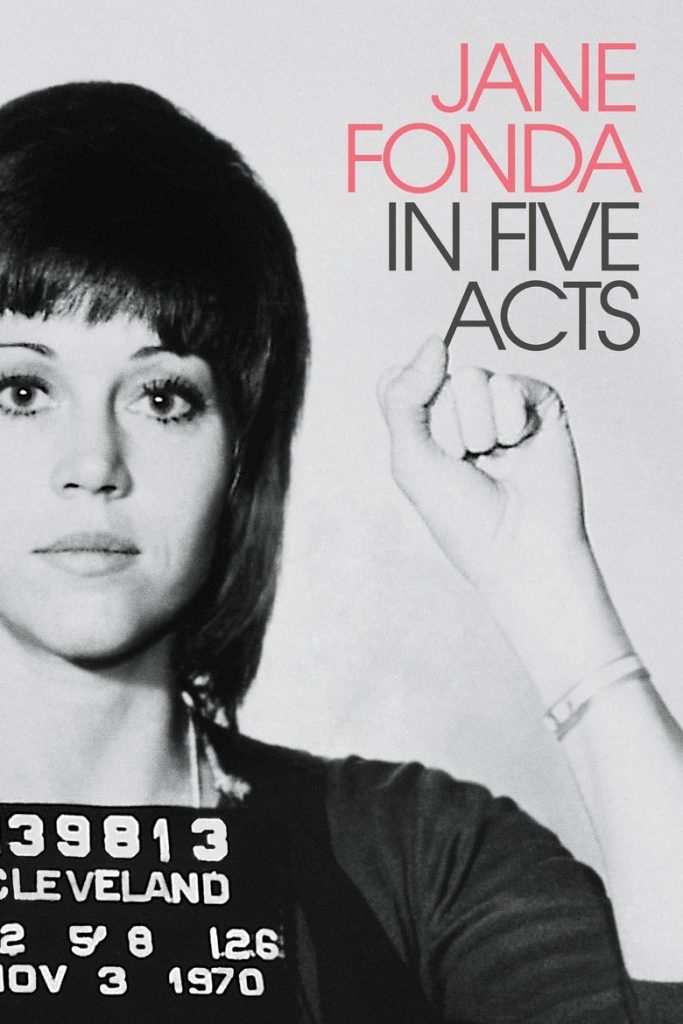
This documentary explores the multifaceted life of actress and activist Jane Fonda, covering her career, personal struggles, political activism, and public controversies. It provides an intimate portrait of her journey through various phases of her life, including her film roles, fitness ventures, and relationships.
Parent Guide
A thoughtful documentary suitable for mature teens interested in biography, history, or social issues. Contains discussions of complex adult themes.
Content breakdown
References to historical conflicts and political tensions, but no graphic violence shown. Some discussion of controversial political actions.
Some emotional discussions of personal struggles, family relationships, and public criticism. May be thought-provoking for sensitive viewers.
Occasional mild language. No strong profanity noted in typical documentary style.
Discussion of relationships and marriage, but no explicit sexual content. Some references to adult relationships.
Brief references to historical context of substance use in certain eras, but not a focus of the documentary.
Explores personal struggles, public controversies, and emotional aspects of Fonda's life journey. Some discussions may be intense for younger viewers.
Parent tips
This documentary discusses mature themes including political activism, personal relationships, and societal controversies. Parents should be prepared to discuss historical events like the Vietnam War era and concepts of public criticism. The film includes some emotional discussions about family dynamics and personal challenges.
Parent chat guide
Parent follow-up questions
—
- What did you learn about Jane Fonda's life?
- What does it mean to be an activist?
- How do you think Jane Fonda handled public criticism?
- What historical events mentioned in the documentary were most interesting to you?
- Why do you think people's opinions about public figures can change over time?
- How does this documentary portray the relationship between celebrity and political activism?
- What ethical questions does Fonda's Vietnam War activism raise about celebrity influence?
- How does the film address gender expectations and women's roles in different eras?
- What insights does the documentary provide about resilience and personal transformation?
🎭 Story Kernel
The film isn't a linear biography but an autopsy of identity construction. It explores how Fonda's life became a series of public performances—the sex symbol, the activist, the fitness guru, the corporate wife—each act a response to external pressures and internal voids. The driving force isn't fame or politics, but a desperate, lifelong search for a self not defined by her famous father or public perception. The documentary shows her repeatedly reinventing herself, not out of whimsy, but as survival mechanisms against patriarchal expectations and her own self-loathing. The 'five acts' structure cleverly frames her life as a play she both wrote and was forced to perform.
🎬 Visual Aesthetics
Director Susan Lacy employs a stark, intimate visual language. Archival footage is presented without romantic nostalgia—grainy protest videos and glossy movie clips carry equal weight. Modern interviews use tight close-ups on Fonda's face, often against dark backgrounds, creating a confessional booth atmosphere. The color palette shifts subtly with each 'act': warm Hollywood golds fade into the gritty browns of 1970s activism, then the bright pastels of the workout era. This visual progression mirrors her changing personas. The most powerful moments come when archival audio plays over still photographs, forcing us to confront the gap between the public image and the private voice.
🔍 Details & Easter Eggs
💡 Behind the Scenes
Director Susan Lacy had unprecedented access to Fonda's personal archives, including never-before-seen home movies and diaries. The film's structure emerged from Fonda's own memoir, which divides her life into distinct phases. Most interviews were conducted at Fonda's home in Atlanta, creating a more personal atmosphere than studio settings. Notably, the documentary includes audio recordings Fonda made during her controversial 1972 trip to North Vietnam, which she provided specifically for this project. The editing took over two years as the team sorted through nearly 100 hours of original interviews and decades of archival material.
Where to watch
Choose region:
- HBO Max
- HBO Max Amazon Channel
- Amazon Video
- Apple TV Store
- Google Play Movies
- YouTube
- Fandango At Home
Trailer
Trailer playback is unavailable in your region.