
Jane Goodall: The Hope (2020)
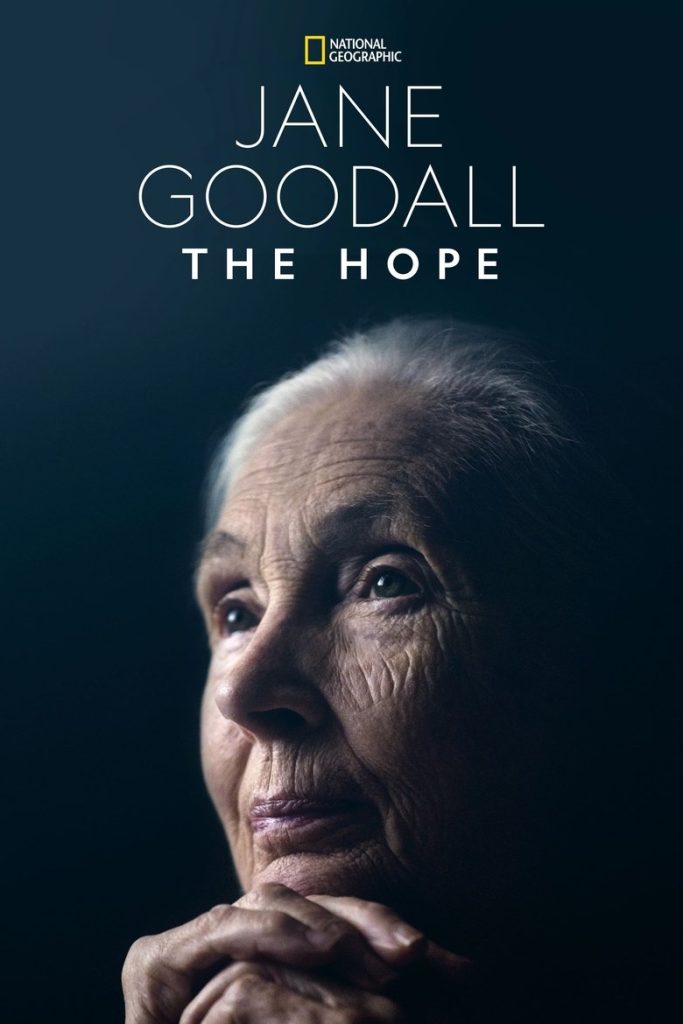
Story overview
This documentary follows the life and work of renowned primatologist Jane Goodall, highlighting her groundbreaking research with chimpanzees and her ongoing conservation efforts. The film explores her scientific discoveries, personal journey, and global environmental advocacy. It presents an inspiring portrait of dedication to wildlife protection and scientific inquiry.
Parent Guide
Educational documentary suitable for school-aged children interested in science and animals.
Content breakdown
No violent content; focuses on scientific observation and conservation.
No scary or disturbing imagery; maintains educational tone throughout.
No concerning language; uses scientific and educational terminology.
No sexual content or nudity; appropriate for all ages.
No depiction of substance use.
May evoke concern for environmental issues but maintains hopeful perspective.
Parent tips
This documentary is suitable for most children interested in animals, science, or environmental topics. The content focuses on scientific observation and conservation messages rather than dramatic storytelling. Parents may want to discuss the importance of protecting wildlife and habitats after viewing.
Younger viewers might need help understanding some scientific concepts or historical context. The film's pacing is typical for documentaries, so children accustomed to faster-paced entertainment might need encouragement to stay engaged. Consider watching together to answer questions about Goodall's work and its significance.
The documentary presents real-world environmental challenges but maintains an overall hopeful tone. It could inspire family conversations about how everyone can contribute to conservation efforts in their own way.
Parent chat guide
Consider connecting the film's themes to your family's experiences with nature or animals. Talk about small actions your family could take to help the environment. This documentary provides excellent opportunities to discuss careers in science and conservation.
For older children, you might discuss the challenges of environmental work and how persistence leads to change. The film shows how one person's dedication can make a significant difference over time.
Parent follow-up questions
- What animals did you see in the movie?
- What did Jane Goodall do with the chimpanzees?
- How can we be kind to animals?
- What did you learn about where animals live?
- What was your favorite part about the animals?
- What tools did Jane Goodall use to study chimpanzees?
- Why is it important to protect animals and their homes?
- What surprised you about how chimpanzees behave?
- How did Jane Goodall help people understand animals better?
- What can we do to help animals in our community?
- What scientific methods did Jane Goodall develop for studying animals?
- How did Jane Goodall's work change how scientists study animals?
- What challenges do conservationists face when protecting wildlife?
- Why is long-term research important for understanding animal behavior?
- How can ordinary people contribute to conservation efforts?
- How did Jane Goodall's approach challenge traditional scientific methods?
- What ethical considerations arise when studying wild animals closely?
- How has our understanding of animal intelligence evolved through research like Goodall's?
- What role do documentaries play in raising awareness about conservation?
- How can scientific research balance observation with minimal interference in natural habitats?
🎭 Story Kernel
The film is not a linear biography but an exploration of hope as a deliberate, active discipline. It posits that Goodall's true genius lies not merely in her groundbreaking primatology but in her strategic evolution into a global diplomat for conservation. The narrative is driven by the tension between the gentle observer of Gombe and the fierce, weary advocate navigating boardrooms and policy debates. The core theme is the translation of intimate, scientific understanding into scalable, urgent action, arguing that hope is not passive optimism but a weapon forged from evidence and relentless communication.
🎬 Visual Aesthetics
The cinematography masterfully contrasts two visual languages. Archival 16mm footage of young Jane in Gombe is intimate, shaky, and sun-drenched, placing us in her point of view. This contrasts sharply with contemporary, stable digital shots of the elder Goodall, often framed in stark interiors or against vast, threatened landscapes, emphasizing her role as a solitary figure on a global stage. The color palette shifts from the lush, organic greens of the forest to the cooler, more artificial tones of lecture halls and cities, visually mapping her journey from the field to the world.
🔍 Details & Easter Eggs
💡 Behind the Scenes
The documentary, produced by National Geographic, leverages unprecedented access to the Jane Goodall Institute's archives, including never-before-seen personal 8mm home movies. Much of the contemporary footage was captured during Goodall's relentless 300-days-a-year travel schedule, with the crew often filming in real-time at international summits and grassroots youth 'Roots & Shoots' events. Notably, the score incorporates ambient forest sounds recorded at Gombe, blended with the music to create an auditory throughline to the chimpanzees' home.
Where to watch
Choose region:
- Disney Plus
- fuboTV
- National Geographic
Trailer
Trailer playback is unavailable in your region.