
Jigarthanda DoubleX (2023)
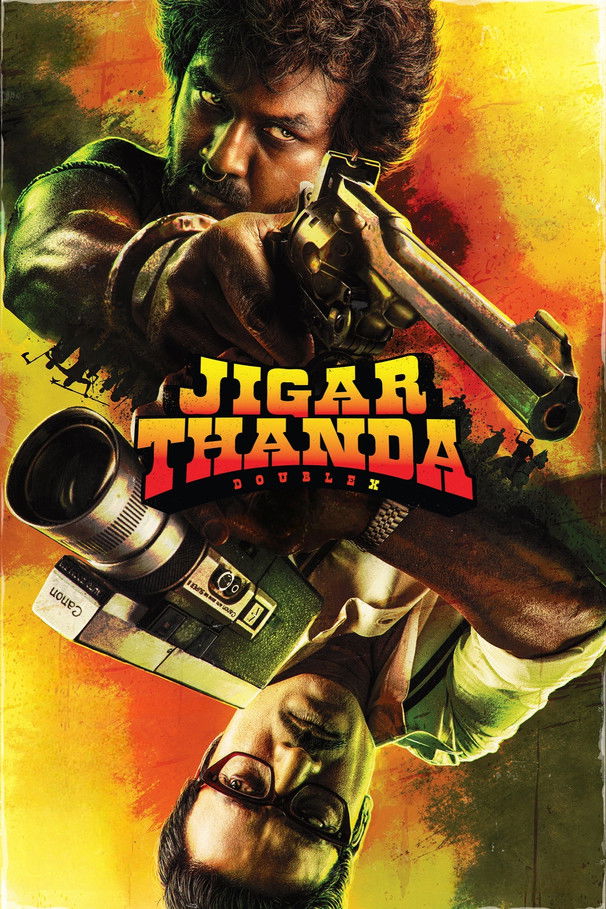
Story overview
Jigarthanda DoubleX is a 2023 action-drama-comedy film that blends intense action sequences with dramatic storytelling and comedic elements. The movie follows characters navigating high-stakes situations, likely involving crime or conflict, with a mix of serious and lighthearted moments. It explores themes of ambition, loyalty, and survival through its dynamic plot.
Parent Guide
An action-drama-comedy with likely intense sequences requiring parental discretion for younger viewers.
Content breakdown
Expected action violence typical of the genre, possibly including fights, chases, or weapon use without graphic detail.
Some tense or suspenseful moments may be unsettling for sensitive viewers, but not persistently frightening.
May include occasional mild profanity or aggressive dialogue consistent with action-drama themes.
No significant sexual content or nudity expected based on genre conventions.
Possible incidental depictions of alcohol or tobacco use in social contexts, not glorified.
Emotional highs and lows from dramatic plot points, with comedic relief to balance intensity.
Parent tips
This film combines action, drama, and comedy, which may appeal to older children and teens but requires parental guidance. The action elements likely include violence and peril typical of the genre, so previewing or watching together is recommended for younger viewers. Consider your child's sensitivity to intense scenes and ability to distinguish between movie fiction and real-life behavior.
Parent chat guide
Parent follow-up questions
- What was your favorite funny part in the movie?
- Did any parts make you feel scared or worried?
- Which character did you like the most and why?
- What colors or sounds did you notice in the movie?
- Can you tell me one thing that happened in the story?
- What did you think about how the characters solved their problems?
- Were there any moments that felt too intense or exciting for you?
- What makes this movie both funny and serious at times?
- How did the music or camera work affect how you felt during the film?
- If you could give advice to one character, what would it be?
- How does the movie show the difference between right and wrong actions?
- What themes about friendship or loyalty did you notice in the story?
- How did the comedy elements balance the more dramatic scenes?
- Were there any stereotypes or messages you questioned in the film?
- What would you do differently if you were in the main character's situation?
- How does the film comment on societal issues through its genre blending?
- What cinematic techniques stood out to you in telling this story?
- How effectively did the movie handle moral ambiguity in its characters?
- What broader cultural or historical contexts might influence this film's themes?
- How does this compare to other action-comedies in terms of depth and execution?
🎭 Story Kernel
At its heart, the film is a profound exploration of the transformative power of art and the moral responsibility of the storyteller. Set in the 1970s, it follows an unlikely alliance between a gangster aspiring to be the first dark-skinned hero and a disgraced policeman posing as a director. While it begins as a satirical take on filmmaking, it evolves into a searing critique of state-sponsored violence and the displacement of indigenous tribes. The narrative shifts from a Madurai Western into a socio-political manifesto, suggesting that while a gun can kill a man, a camera can immortalize a movement. It challenges the traditional hero archetype, positioning the act of witnessing and documenting truth as the ultimate form of bravery against systemic oppression and the erasure of marginalized histories.
🎬 Visual Aesthetics
Cinematographer Tirru employs a rich, textured palette that pays homage to the 1970s celluloid era while maintaining a modern, high-contrast edge. The visual language heavily borrows from Sergio Leone’s Spaghetti Westerns, utilizing extreme close-ups, wide-angle landscapes, and dramatic silhouettes to mythologize the characters. The forest is depicted not just as a backdrop, but as a living, breathing entity, captured with warm, earthy tones that contrast sharply with the cold, sterile environments of the political elite. The use of anamorphic lenses enhances the epic scale of the conflict, while the lighting during the climax—relying on fire and shadows—serves as a visual metaphor for the birth of cinema and the enduring nature of the image over the ephemeral nature of human life.
🔍 Details & Easter Eggs
💡 Behind the Scenes
Director Karthik Subbaraj conceived the idea as a spiritual successor to his 2014 hit Jigarthanda, but shifted the focus to a period setting to explore the roots of Tamil cinema. Raghava Lawrence and S. J. Suryah were cast to play against their established types, with Lawrence moving away from his usual horror-comedy tropes. The haunting soundtrack by Santhosh Narayanan was specifically designed to blend traditional tribal instruments with the iconic whistling and electric guitars synonymous with Ennio Morricone’s Western scores. The production faced significant challenges filming in dense forest locations to ensure the portrayal of the indigenous tribe felt authentic.
Where to watch
Choose region:
- Netflix
- Sun Nxt
- Netflix Standard with Ads
Trailer
Trailer playback is unavailable in your region.