
Jim Gaffigan: King Baby (2009)
Story overview
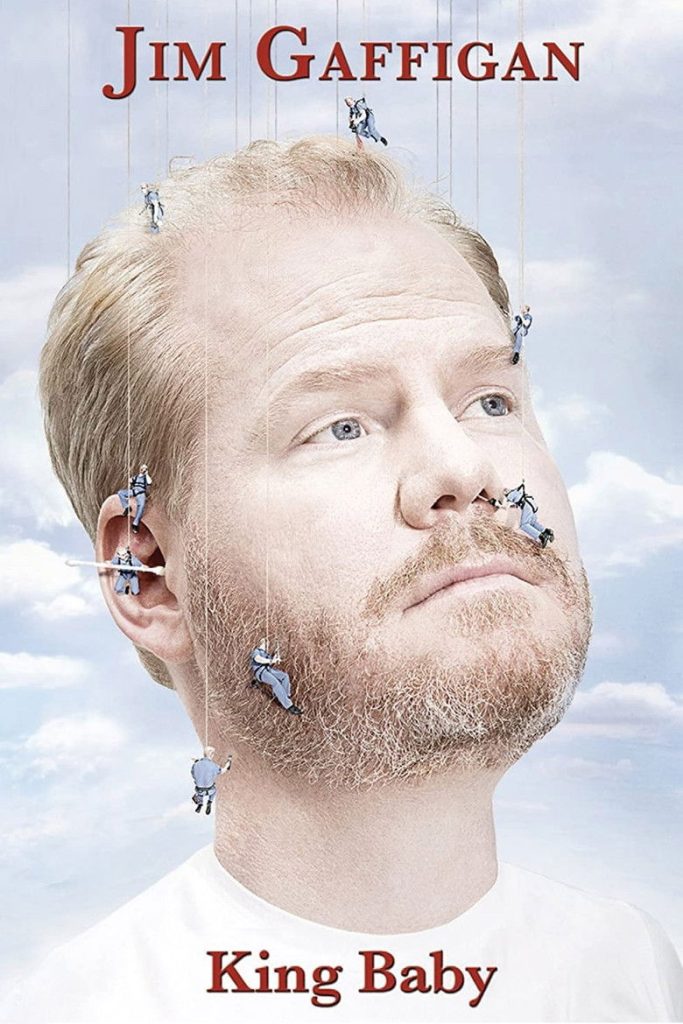
Jim Gaffigan: King Baby is a 2009 stand-up comedy special featuring comedian Jim Gaffigan performing live in Austin, Texas. The show focuses on Gaffigan's signature observational humor about everyday life, particularly romanticizing laziness, over-indulgence in food, and humorous takes on family life and personal habits. The special is a straightforward comedy performance without narrative, characters, or plot.
Parent Guide
A family-friendly stand-up comedy special with clean, observational humor about everyday life. Suitable for most children who can follow conversational comedy.
Content breakdown
No violence, action, or peril of any kind. This is a comedian talking on stage.
Nothing scary, disturbing, or intense. Pure comedy performance.
Clean language throughout. No profanity, though occasional mild expressions like 'heck' or 'darn' might appear. TV-PG rating reflects general standards rather than specific language concerns.
No sexual content, references, or nudity. Jokes focus on food, laziness, and family life without sexual themes.
No depiction or discussion of alcohol, drugs, or tobacco use.
No emotional intensity. Consistently lighthearted and humorous tone throughout.
Parent tips
This is a clean stand-up comedy special suitable for most families. The humor is observational and self-deprecating rather than edgy or controversial. Parents should note that while rated TV-PG, some jokes about overeating and laziness might require context for younger viewers. The comedian remains fully clothed on stage throughout, and there are no visual effects, action sequences, or dramatic elements.
Parent chat guide
Parent follow-up questions
- Did you understand the jokes about food?
- What was your favorite funny face Jim made?
- Was it fun to watch someone talk and make people laugh?
- What everyday things did Jim make funny?
- Why do you think people laugh at jokes about being lazy?
- How is stand-up comedy different from cartoon comedy?
- What techniques does Jim use to make ordinary life funny?
- How does he use his voice and expressions for humor?
- What's the appeal of self-deprecating humor?
- How does observational comedy reflect cultural attitudes?
- What makes Gaffigan's style different from more edgy comedians?
- How does he balance self-criticism with self-acceptance in his humor?
🎭 Story Kernel
The film's core theme is the absurdity of modern domesticity and the quiet desperation of middle-aged comfort. Gaffigan isn't just telling jokes; he's dissecting the unspoken contract of family life, where personal identity slowly dissolves into the roles of 'dad' and 'husband.' What drives him isn't a quest for fame, but a need to validate his own minor frustrations—like the tyranny of hotel thermostats or the existential dread of buffet lines—as worthy of an audience's attention. It's a performance about the performance of normalcy, where the comedian becomes the high priest of first-world problems.
🎬 Visual Aesthetics
The visual language is deliberately unadorned, mirroring Gaffigan's everyman persona. The camera remains largely static, employing tight close-ups that trap the comedian in the frame, forcing the audience to sit with his escalating, sweat-dotted discomfort. The color palette is warm but flat—muted browns and beiges of the theater interior that visually echo the 'beige food' he famously mocks. There's no flashy editing or cutaways; the comedy lives or dies in the uninterrupted take, making his physicality—the slumped shoulders, the incredulous stares—the primary visual punchline.
🔍 Details & Easter Eggs
💡 Behind the Scenes
The special was filmed at the historic Vic Theatre in Chicago, a venue Gaffigan specifically chose for its intimate, slightly worn feel, contrasting with the slick, studio-shot specials of many peers. Much of the material was road-tested for over a year, with Gaffigan famously keeping meticulous notes on audience reaction to individual lines. The title 'King Baby' is a self-deprecating nod to his own confessed laziness and desire for comfort, a persona he fully leans into for the performance.
Where to watch
Choose region:
- Netflix
- Netflix Standard with Ads
- Amazon Video
- Apple TV Store
- Google Play Movies
- YouTube