
Jim Henson Idea Man (2024)
Story overview
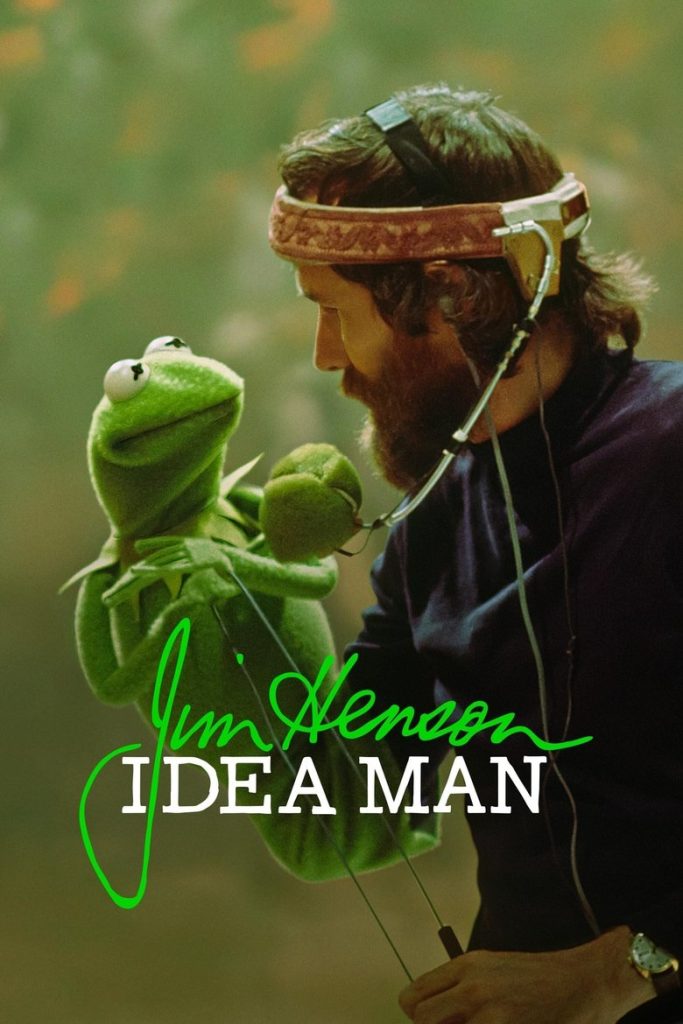
This documentary provides an intimate portrait of Jim Henson, the creative genius behind beloved characters like Kermit the Frog and Miss Piggy. Through personal archives and interviews with collaborators, director Ron Howard explores Henson's innovative spirit, artistic vision, and lasting impact on entertainment. The film celebrates imagination, creativity, and perseverance while offering a balanced look at both Henson's professional achievements and personal challenges.
Parent Guide
A wholesome, inspiring documentary suitable for family viewing. No concerning content exists beyond mild emotional moments when discussing Henson's passing. The film emphasizes creativity, innovation, and positive values.
Content breakdown
No violence, peril, or dangerous situations. The documentary focuses entirely on creative work and biographical storytelling.
Brief, respectful discussion of Jim Henson's death may be emotionally touching for sensitive viewers, but it's handled with dignity. Some archival footage shows darker puppet characters (like Skeksis from 'The Dark Crystal') that might briefly startle very young children.
No offensive language. Conversations are professional and family-appropriate throughout.
No sexual content, nudity, or romantic situations. The documentary focuses solely on professional achievements and creative processes.
No depiction or discussion of substance use. The film maintains a clean, educational tone.
Mild emotional moments when discussing Henson's legacy and passing, but these are balanced with celebratory footage of his joyful creations. The overall tone is uplifting and inspirational.
Parent tips
This documentary is family-friendly and suitable for most ages, though younger children may find some historical footage or discussions of creative struggles less engaging. The TV-PG rating reflects its educational nature with no concerning content. Parents can use this film to discuss creativity, following passions, and how beloved characters are created. Consider watching together to answer questions about puppetry techniques or historical context.
Parent chat guide
Parent follow-up questions
- Which puppet did you like best?
- Can you make a puppet voice?
- What colors did you see in the movie?
- How do you think puppets are made to move?
- What makes a good storyteller?
- Have you ever made something creative like Jim Henson did?
- Why do you think Jim Henson's characters remain popular today?
- How did technology help his creations?
- What personal qualities helped him succeed?
- How did Henson balance artistic vision with commercial success?
- What cultural impact did his work have?
- How does this documentary portray the creative process realistically?
🎭 Story Kernel
The film transcends the typical biographical documentary by positioning Jim Henson not just as a puppeteer, but as a relentless avant-garde artist trapped in the body of a commercial titan. It explores the central paradox of Henson’s life: his desire to create experimental, boundary-pushing art while simultaneously building a global brand that became synonymous with childhood innocence. Howard delves into Henson's "Idea Man" persona—a figure driven by a constant, almost frantic need to innovate. The narrative tracks his evolution from local television commercials to the global phenomenon of The Muppet Show and the darker, more complex worlds of The Dark Crystal. Ultimately, the movie expresses that Henson’s true legacy wasn't just the characters he created, but his philosophy of interconnectedness and his refusal to let the limitations of technology or medium stifle his boundless imagination.
🎬 Visual Aesthetics
Howard employs a sophisticated visual language that mirrors Henson’s own experimental roots. The documentary utilizes a recurring motif of a white, modular cube—a direct homage to Henson’s 1967 experimental film The Cube—to frame interviews and archival clips, symbolizing the confines of a creative mind. The cinematography blends high-definition contemporary interviews with a rich tapestry of 8mm home movies, rare behind-the-scenes footage, and digitized sketches. The editing is notably fast-paced, capturing the "restless" energy that defined Henson’s work ethic. By integrating animation that brings Henson’s early doodles to life, the film visually bridges the gap between his private thoughts and his public creations. This stylistic choice ensures the documentary feels less like a static history lesson and more like a living, breathing extension of Henson’s own aesthetic sensibilities.
🔍 Details & Easter Eggs
💡 Behind the Scenes
Produced with the full cooperation of the Henson family, the documentary marks the first time the Jim Henson Company opened its entire archive to an outside filmmaker. Ron Howard utilized his experience in storytelling to structure the film around Henson's personal philosophy rather than a strict chronological timeline. The project features extensive interviews with Henson's children—Lisa, Cheryl, Brian, and Heather—as well as long-time collaborators like Frank Oz. Oz provides particularly candid insights into the lightning-in-a-bottle chemistry of their partnership and the grueling production schedules of their early television years.
Where to watch
Choose region:
- Disney Plus
Trailer
Trailer playback is unavailable in your region.