
Jim: The James Foley Story (2016)
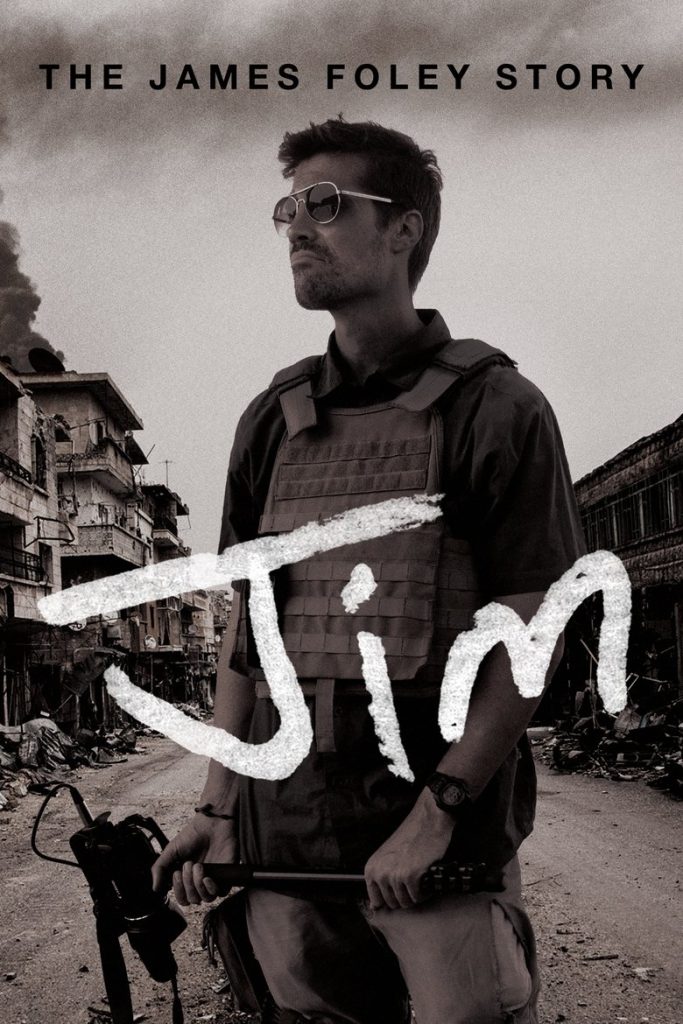
Story overview
This documentary chronicles the life and tragic death of American photojournalist James Foley, who was captured and executed by ISIS in 2014. Through interviews with family, friends, and colleagues, it explores his dedication to reporting from war zones in Libya and Syria, his captivity, and the profound impact on his loved ones. The film addresses terrorism, war journalism, grief, and resilience.
Parent Guide
This documentary contains intense, mature content about war, terrorism, and death. It includes descriptions and footage of violence, captivity, and execution. Emotional content is strong throughout. Not suitable for children; recommended for mature teens 16+ with parental guidance.
Content breakdown
Includes descriptions of war violence, captivity, torture, and execution. Archival footage shows conflict zones, though the actual execution is not shown. Discussions of beheadings and terrorist acts. Peril is constant in war reporting segments.
Themes of terrorism, kidnapping, and death are central. Emotional interviews with grieving family members. Disturbing descriptions of captivity conditions. The reality of ISIS violence is discussed explicitly.
Occasional mild profanity in interviews. No frequent strong language.
No sexual content or nudity.
No substance use depicted.
High emotional intensity throughout. Family grief, fear during captivity, and trauma are central themes. Interviews are emotionally raw. The subject matter is inherently distressing.
Parent tips
This documentary deals with mature themes including terrorism, war violence, captivity, and execution. It includes graphic descriptions and archival footage that may be disturbing. Best suited for mature teens and adults. Consider watching first to assess appropriateness for your family, and be prepared to discuss the complex issues it raises.
Parent chat guide
Parent follow-up questions
—
—
- What do you think it means to be brave?
- How do you think James' family felt when he was missing?
- Why do you think people become journalists in dangerous places?
- What ethical responsibilities do journalists have when reporting from war zones?
- How does media coverage of terrorism affect public perception?
- What support systems help families cope with traumatic loss?
- How can individuals make a difference in addressing global conflicts?
🎭 Story Kernel
The film explores the complex motivations behind war journalism, particularly the tension between bearing witness and the personal cost of that pursuit. It's not just Foley's story but an examination of the journalist's psyche—the drive to humanize distant conflicts, the professional ambition, and the sometimes naive belief in the power of storytelling to transcend violence. The narrative reveals how Foley's idealism collided with the brutal reality of ISIS, where journalism became a commodity and his identity as a reporter made him a target rather than a protected observer. The film questions whether the pursuit of truth justifies the immense personal and familial toll.
🎬 Visual Aesthetics
The documentary employs a stark, intimate visual language, blending Foley's own gritty conflict-zone footage with contemporary interviews shot in close-up, emphasizing raw emotion. The color palette shifts dramatically—from the warm, saturated tones of Foley's personal videos and family memories to the cold, desaturated grays of Syrian war footage and the sterile environments where hostages were held. Archival news clips are presented without romanticization, often with minimal editing, creating a jarring contrast between polished media narratives and the chaotic reality. The absence of reenactments keeps the focus on authentic testimony and documentary evidence.
🔍 Details & Easter Eggs
💡 Behind the Scenes
The documentary was directed by Brian Oakes, a childhood friend of James Foley, which explains its deeply personal perspective rather than a detached journalistic approach. Much of the Syrian conflict footage comes from Foley's own camera work and that of fellow journalists, providing authentic, frontline visuals. The film includes never-before-seen video from Foley's captivity, recovered after his death, and features interviews with former ISIS hostages who shared cells with him, offering firsthand accounts. It won the Audience Award for U.S. Documentary at the 2016 Sundance Film Festival.
Where to watch
Choose region:
- HBO Max
- HBO Max Amazon Channel
- Pluto TV
- Amazon Video
- Apple TV Store
- Google Play Movies
- YouTube
- Fandango At Home
Trailer
Trailer playback is unavailable in your region.