
John Mulaney & The Sack Lunch Bunch (2019)
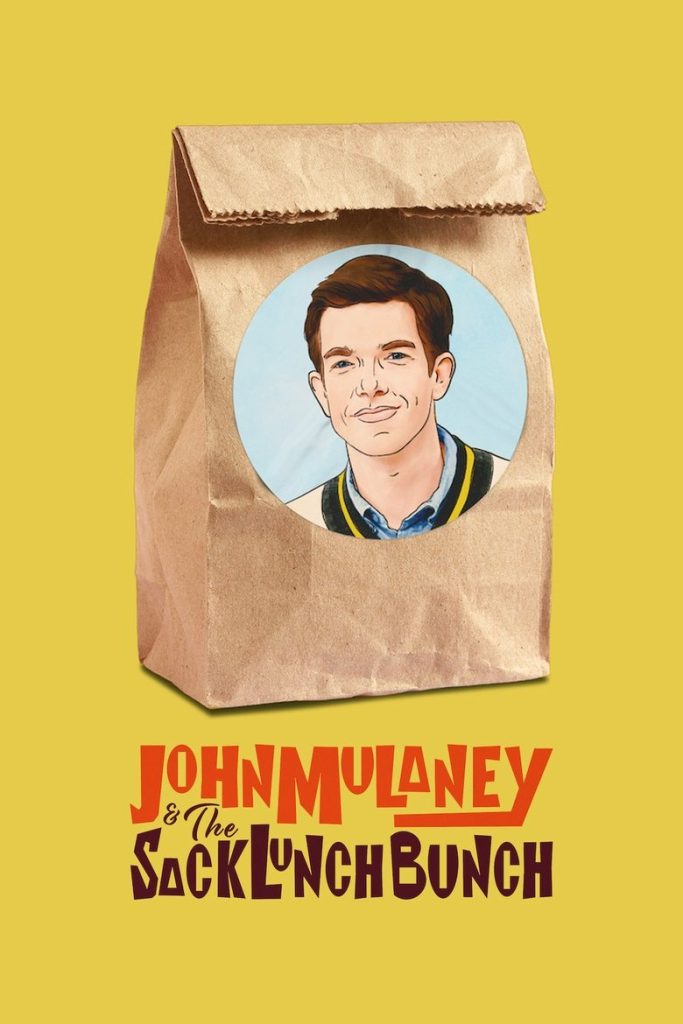
Story overview
John Mulaney & The Sack Lunch Bunch is a 2019 comedy special that blends musical numbers, sketches, and interviews with a cast of children and adult performers. The show features comedian John Mulaney interacting with a group of talented kids as they explore various humorous and imaginative scenarios through songs and comedy bits. It's a family-friendly production that combines nostalgic variety show elements with modern comedic sensibilities, creating an entertaining experience for both children and adults.
Parent Guide
A family-friendly comedy special featuring musical numbers and sketches with child performers, suitable for most children with parental guidance for younger viewers.
Content breakdown
No violence or perilous situations present in the comedy special.
No scary or disturbing content; all material is lighthearted and comedic.
May contain very mild language or innuendo typical of TV-PG comedy programming.
No sexual content or nudity present in the family-oriented special.
No depiction or reference to substance use in this family comedy.
Light emotional content related to comedy and performance; nothing intense or distressing.
Parent tips
This TV-PG rated special is generally appropriate for most families, but parents should be aware that some comedic content might include mild innuendo or references that younger children may not fully understand. The show features children performers in creative scenarios that encourage imagination and self-expression, which can be positive role models for young viewers.
Consider watching together with children ages 8 and up to help explain any humor that might be confusing or to discuss the show's themes. The musical numbers are catchy and creative, making this a good choice for families who enjoy comedy and music combined.
Parent chat guide
Consider asking your child which musical numbers or sketches they enjoyed most and why. This can lead to conversations about artistic expression, performance, and what makes different types of comedy appealing to different ages.
Parent follow-up questions
- Which song did you like dancing to the most?
- What was the funniest silly face or funny sound you saw?
- Which of the kids in the show seemed like they were having the most fun?
- What colors or costumes did you like best in the musical numbers?
- If you could be in the show, what kind of song would you want to sing?
- What was your favorite musical number and why did you like it?
- Which joke or funny moment made you laugh the hardest?
- How do you think the kids in the show prepared for their performances?
- What did you think about the way the show mixed comedy with music?
- If you could create your own sketch for the show, what would it be about?
- How does this show compare to other comedy or musical programs you've seen?
- What do you think makes the humor in this show work for both kids and adults?
- Which performer did you think showed the most talent or creativity?
- How does the show balance being funny while still being appropriate for families?
- What message do you think the show sends about creativity and self-expression?
- How effective is the show's blend of nostalgic variety show elements with modern comedy?
- What did you think about the dynamic between John Mulaney and the child performers?
- How does the show handle humor that might appeal to different age groups simultaneously?
- What artistic or creative risks do you think the show takes, and do they pay off?
- How does this special compare to other comedy specials or family programming you've seen?
🎭 Story Kernel
The movie is a meta-commentary on the performative nature of children's programming and the unresolved anxieties of adulthood. It's driven by John Mulaney's character, who, while ostensibly creating a wholesome show for kids, projects his own neuroses—fear of aging, existential dread, and social awkwardness—onto the young cast. The children, in turn, navigate these adult themes with a mix of genuine curiosity and performative enthusiasm, highlighting the gap between childhood innocence and adult complexity. The core tension lies in whether the show can authentically capture youthful joy or if it's inevitably filtered through Mulaney's cynical, anxious perspective, making it a poignant exploration of how adults often use nostalgia as a shield against modern fears.
🎬 Visual Aesthetics
The film employs a deliberately artificial, studio-bound aesthetic reminiscent of 1970s-80s PBS children's shows, with bright, saturated colors and static camera setups that create a sense of nostalgic familiarity. This is juxtaposed with surreal, dreamlike sequences—such as the animated 'Grandma's Boyfriend Paul' segment—that use exaggerated visuals to externalize internal anxieties. The camera often lingers on Mulaney's deadpan reactions, emphasizing his disconnect from the children's world, while quick cuts to the kids' earnest performances highlight their authenticity. Symbolism appears in the recurring use of mundane props (like sack lunches) treated with exaggerated importance, mocking how adults over-intellectualize simple childhood experiences.
🔍 Details & Easter Eggs
💡 Behind the Scenes
The film was shot in a New York City studio over a few days, with the child actors largely improvising their lines to capture authentic reactions. David Byrne of Talking Heads contributed to the soundtrack, adding to the quirky, retro vibe. Many scenes reference specific PBS shows like 'Sesame Street' and 'Mister Rogers' Neighborhood,' with Mulaney citing them as direct inspirations for the project's aesthetic and tone.
Where to watch
Choose region:
- Netflix
- Netflix Standard with Ads
Trailer
Trailer playback is unavailable in your region.