
Joshua: Teenager vs. Superpower (2017)
Story overview
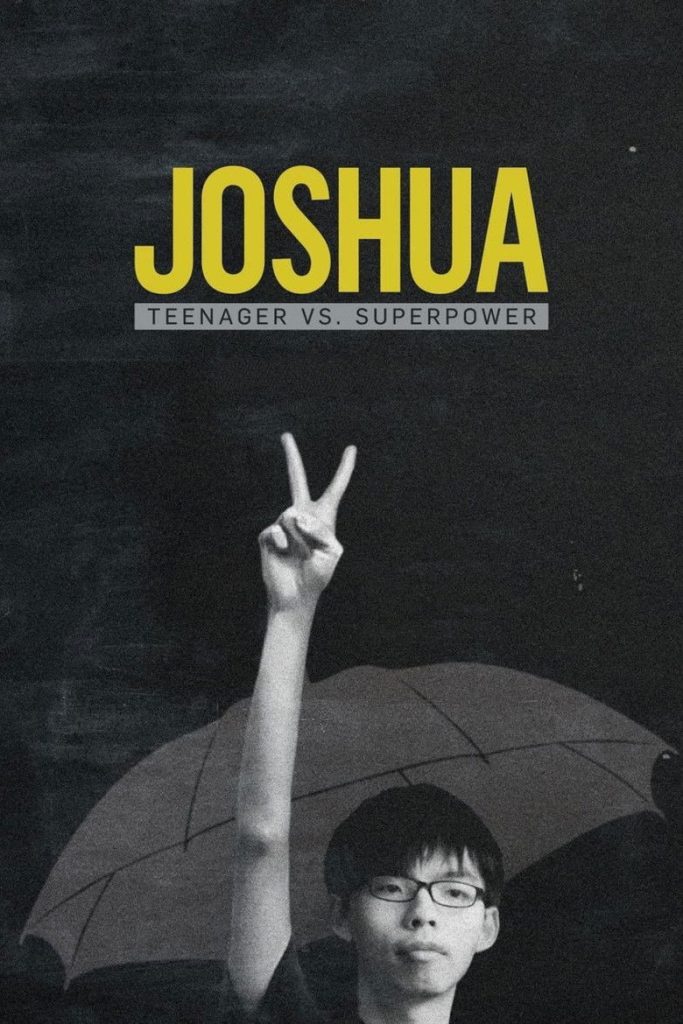
This documentary follows teenager Joshua Wong as he organizes student protests in Hong Kong against the Chinese government's policies, highlighting youth activism and political conflict.
Parent Guide
Documentary about youth political activism in Hong Kong with educational value but mature themes.
Content breakdown
Non-violent protests shown with some tense moments between protesters and authorities. No physical violence depicted.
Some scenes show large crowds and confrontations with police that might be intense for younger viewers. Political tension throughout.
Occasional political slogans and protest chants. No profanity noted.
No sexual content or nudity.
No substance use shown.
Emotionally charged political situations, youth facing authority, themes of civic responsibility and conflict.
Parent tips
This film deals with political themes and civil disobedience. Consider discussing with older children the concepts of democracy, protest, and government authority. The documentary shows non-violent demonstrations but includes tense situations.
Parent chat guide
Parent follow-up questions
—
- What does it mean to protest?
- Why were the students skipping school?
- What rights do people have to express their opinions?
- How can young people influence change in their community?
- What are the ethical considerations of civil disobedience?
- How do different political systems handle dissent?
- What responsibilities come with political activism?
🎭 Story Kernel
The film is less about Joshua Wong's political ascent and more about the universal struggle of adolescence weaponized by circumstance. It explores how teenage rebellion—normally directed at parents and school rules—becomes channeled against an authoritarian state when the system itself becomes the oppressive parent figure. The driving force isn't ideological purity but the raw, unfiltered energy of youth confronting injustice they can see with their own eyes. The movie suggests that sometimes the most revolutionary act is simply refusing to grow up into the world adults have accepted.
🎬 Visual Aesthetics
The documentary employs a stark visual contrast between the intimate, handheld smartphone footage of the protests and the sterile, wide shots of Hong Kong's government buildings. This creates a powerful dichotomy: the messy, emotional reality of the youth movement versus the cold, imposing architecture of power. The color palette often shifts—vibrant during street demonstrations with yellow umbrellas creating visual unity, then muted in interrogation rooms and court scenes. The camera lingers on faces, particularly Joshua's, capturing the transition from teenage uncertainty to weary determination.
🔍 Details & Easter Eggs
💡 Behind the Scenes
Director Joe Piscatella initially planned a different documentary but shifted focus after witnessing the 2014 Umbrella Movement. Much of the protest footage comes directly from activists' phones, creating an unprecedented first-person perspective. The film faced significant distribution challenges in mainland China and was produced independently with support from international documentary funds. Joshua Wong himself participated in verifying timeline accuracy but had no editorial control over the final cut.
Where to watch
Choose region:
- Netflix
- Netflix Standard with Ads
Trailer
Trailer playback is unavailable in your region.