
K-19: The Widowmaker (2002)
Story overview
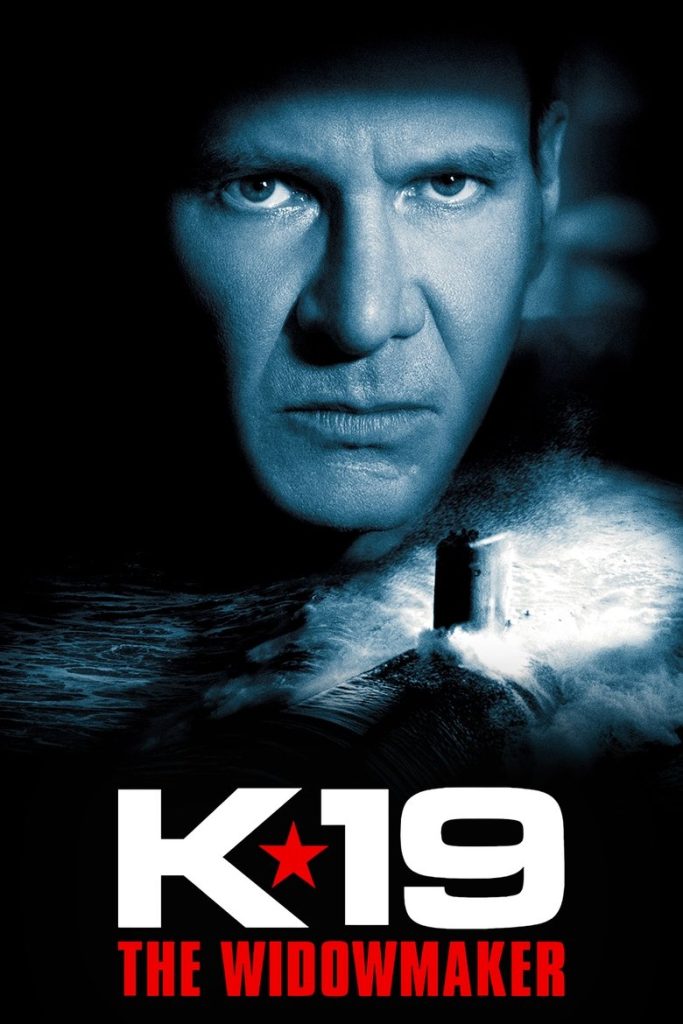
K-19: The Widowmaker is a tense historical drama based on true events about the Soviet Union's first nuclear submarine, which suffers a critical reactor malfunction during its maiden voyage in 1961. The crew, led by Captain Alexei Vostrikov (Harrison Ford) and Executive Officer Mikhail Polenin (Liam Neeson), must work under extreme pressure to prevent a nuclear meltdown that could trigger an international crisis. The film explores themes of duty, sacrifice, leadership under pressure, and Cold War tensions, with claustrophobic submarine settings and life-or-death stakes.
Parent Guide
A tense historical thriller with strong emotional intensity but minimal objectionable content. Most suitable for mature middle schoolers and teenagers who can handle sustained suspense and life-or-death situations.
Content breakdown
Intense peril throughout as the submarine faces potential nuclear disaster. Crew members suffer radiation sickness (shown with vomiting, burns, weakness). Brief fistfight between officers. Several characters die from radiation exposure (not graphically shown). High-stakes tension with characters risking their lives to prevent catastrophe.
Claustrophobic submarine setting creates sustained tension. Scenes of crew members suffering from radiation poisoning (pale, weak, vomiting). High-stakes countdown to potential nuclear disaster. Emotional scenes of sacrifice and death. The constant threat of explosion creates psychological pressure.
Occasional mild language including 'hell' and 'damn.' No strong profanity.
No sexual content or nudity. Brief romantic references to characters' families back home.
Social drinking of vodka in officer's quarters. Cigarette smoking by crew members (historically accurate for the era). No substance abuse depicted.
High emotional intensity throughout. Characters face life-or-death decisions, sacrifice themselves for others, and deal with the psychological strain of confinement and imminent disaster. Themes of duty, honor, and mortality are explored deeply. Several emotional death scenes.
Parent tips
This film is appropriate for mature middle schoolers and teenagers who can handle intense situations. The PG-13 rating comes primarily from peril and emotional intensity rather than graphic content. Consider watching with children 13+ to discuss the historical context and leadership themes. The submarine setting creates sustained tension that might be overwhelming for sensitive viewers. No sexual content, minimal language, and only brief, non-graphic violence.
Parent chat guide
Parent follow-up questions
—
—
- What would you do if you were on a submarine that had a problem?
- Why were the sailors willing to risk their lives?
- What does 'sacrifice' mean in this story?
- How does the film portray Soviet military culture versus Western perceptions?
- What ethical dilemmas did the officers face regarding following orders versus doing what's right?
- How accurate do you think the historical portrayal is, and why might filmmakers take creative liberties?
- Discuss the psychological effects of confinement and extreme stress shown in the film.
🎭 Story Kernel
The film's core is a brutal examination of command versus competence, where two captains clash not over ideology but methodology. Captain Vostrikov's rigid, results-driven leadership prioritizes mission success at all costs, while Captain Polenin's humanistic approach values crew welfare and safety. Their conflict exposes how institutional pressure—specifically the Soviet demand for technological triumph over the West—twists duty into a death sentence. The crew becomes trapped between following suicidal orders and the instinct for self-preservation, revealing how loyalty to a flawed system can demand the ultimate sacrifice. It's less about Cold War politics than about the human cost of blind obedience.
🎬 Visual Aesthetics
The film employs a claustrophobic visual language dominated by sickly greens, metallic grays, and oppressive shadows within the sub's cramped corridors. Cinematography uses tight close-ups and shaky, handheld shots to amplify tension and the crew's physical confinement. The color palette deliberately drains warmth, with the reactor's ominous blue glow serving as the only unnatural, haunting light source. Action is methodical and visceral—the repair scenes are grueling physical labor, not glamorous heroics. The exterior shots of the sub in the vast, icy Arctic ocean create a stark contrast, emphasizing the vessel's isolation and vulnerability.
🔍 Details & Easter Eggs
💡 Behind the Scenes
Harrison Ford undertook extensive research, including interviews with real Russian submariners, to prepare for his role as Captain Vostrikov, aiming to capture the specific posture and bearing of a Soviet naval officer. Liam Neeson learned to speak his lines with a Russian accent phonetically. The production built a near-full-scale, functional replica of the submarine's interior on soundstages in Toronto to achieve authentic claustrophobia. Notably, the real-life former captain of K-19, Nikolai Zateyev, served as a technical consultant, providing crucial firsthand insight into the 1961 disaster that inspired the film.
Where to watch
Choose region:
- Netflix
- Amazon Prime Video
- fuboTV
- Peacock Premium
- History Vault
- Netflix Standard with Ads
- Amazon Prime Video with Ads
- Peacock Premium Plus
- Shout! Factory Amazon Channel
- Paramount Plus Essential
- The Roku Channel
- Pluto TV
- Shout! Factory TV
- Amazon Prime Video Free with Ads
- Tubi TV
- Amazon Video
- Apple TV Store
- Google Play Movies
- YouTube
- Fandango At Home
Trailer
Trailer playback is unavailable in your region.