
K. D. (2019)
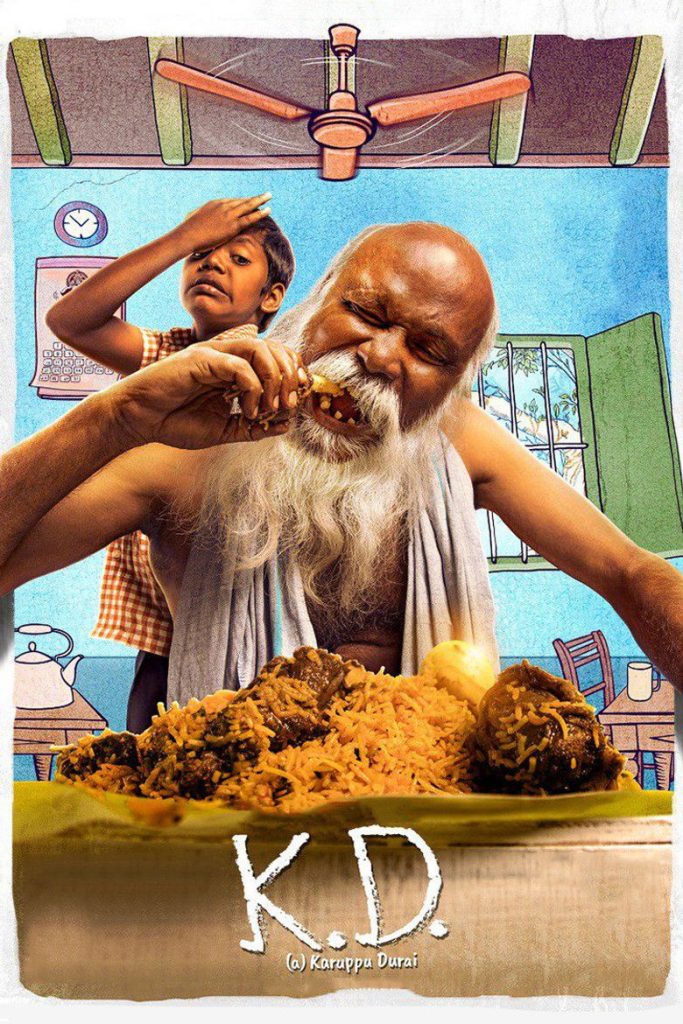
Story overview
K.D. is a 2019 drama film that explores personal growth and relationships through its central character. The story follows K.D. as they navigate various life challenges and emotional experiences. This character-driven narrative focuses on human connections and self-discovery in everyday settings.
Parent Guide
A character-driven drama suitable for older children who can appreciate emotional storytelling.
Content breakdown
No violent or perilous content is indicated for this drama.
No scary or disturbing elements are present in this character-focused story.
No concerning language is indicated for this drama.
No sexual content or nudity is present in this film.
No substance use is indicated for this drama.
Contains emotional themes typical of character-driven dramas.
Parent tips
This drama focuses on character development and emotional themes rather than action or special effects. Parents should be prepared for discussions about relationships, personal challenges, and emotional growth. The film's pacing and dramatic focus may require some maturity to appreciate fully.
Parent chat guide
Parent follow-up questions
- What was your favorite part of the movie?
- How did the characters show they cared about each other?
- What colors or sounds did you notice in the movie?
- Did any parts make you feel happy or sad?
- What would you tell a friend about this movie?
- What challenges did the main character face?
- How did the characters help each other in the story?
- What did you learn about friendship from this movie?
- Which character would you want to be friends with and why?
- How did the movie make you feel about trying new things?
- What themes about growing up did you notice in the film?
- How did the characters show resilience when facing difficulties?
- What messages about relationships did the movie convey?
- How did the film handle emotional moments?
- What would you have done differently if you were in the main character's situation?
- How does the film explore the concept of personal identity?
- What commentary does the movie make about societal expectations?
- How are complex emotions portrayed in the narrative?
- What techniques did the filmmakers use to develop the characters?
- How does this story relate to real-life experiences of growth and change?
🎭 Story Kernel
At its core, 'K.D.' is a raw exploration of loyalty's decay within a criminal ecosystem. The protagonist's journey isn't about rising to power, but about the systematic erosion of his humanity as he navigates a world where trust is the ultimate currency and betrayal the only constant. What drives the characters isn't ambition for money or status, but a desperate, often violent, need to establish identity and belonging in a structure designed to strip both away. The film's tension builds not from external threats, but from the internal corrosion of brotherhood, asking how much of one's soul can be traded before becoming a ghost in the very machine you helped build.
🎬 Visual Aesthetics
The film employs a desaturated, gritty color palette dominated by concrete grays and sickly neon yellows, visually mirroring the protagonist's moral decay. Camera work is claustrophobic and handheld during confrontations, making violence feel intimate and chaotic, while static, wide shots of empty urban landscapes emphasize profound isolation. Action sequences are brutally efficient, devoid of stylized flair, with every impact sounding bone-crushingly real. Key symbolism lies in recurring shots of reflections—in mirrors, puddles, and windows—often fractured or obscured, representing the characters' fragmented selves and their inability to see their own corruption clearly.
🔍 Details & Easter Eggs
💡 Behind the Scenes
Lead actor underwent three months of intensive mixed martial arts training to perform his own fight sequences, resulting in several real, minor injuries captured on film. The entire movie was shot on location in the less-glamorous industrial districts of a major city, often using guerrilla-style filming to capture authentic urban decay. Notably, the director insisted on using minimal artificial lighting, relying on practical sources like street lamps and neon signs, which required meticulous scheduling around the 'magic hour' for exterior scenes to achieve the film's distinctive gloomy yet naturalistic look.
Where to watch
Choose region:
- Netflix
- Netflix Standard with Ads