
Kabaneri of the Iron Fortress: The Battle of Unato (2019)
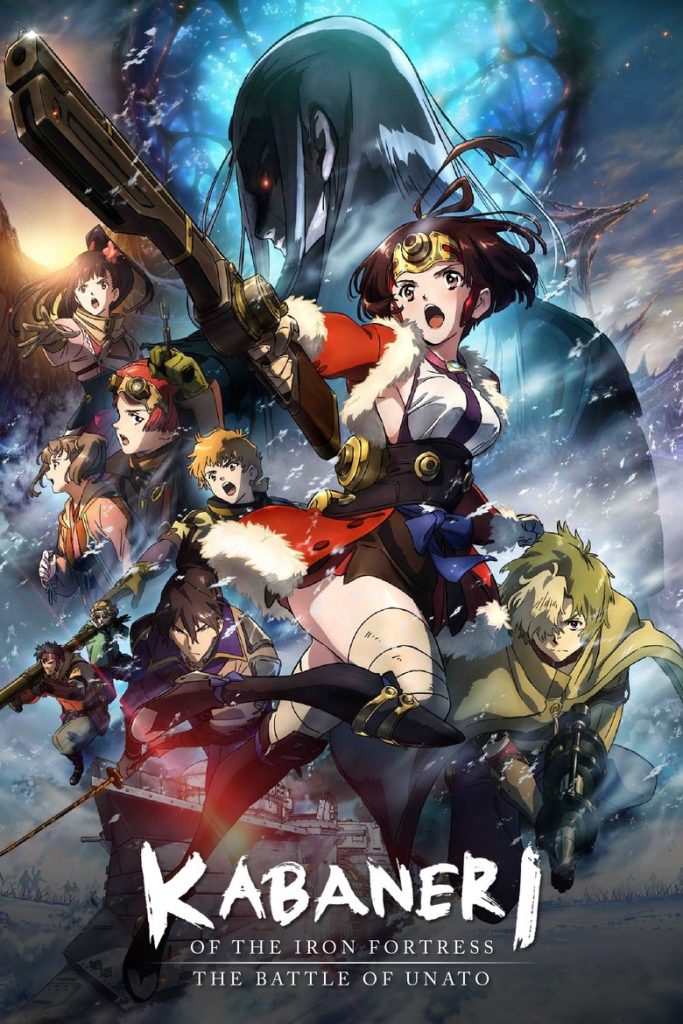
Story overview
This animated film continues the story of survivors in a steampunk-inspired world fighting zombie-like creatures called Kabane. The heroes use armored trains as mobile fortresses to battle these relentless undead enemies. Set six months after the original series, the story follows their mission to reclaim Unato Castle from the Kabane hordes. The film combines action sequences with character-driven drama in a post-apocalyptic setting.
Parent Guide
An intense animated action film with zombie-like creatures and survival themes, best for mature tweens and teens.
Content breakdown
Animated violence against zombie-like creatures with weapons and trains; characters in perilous situations
Zombie-like creatures and dark post-apocalyptic setting; some intense action sequences
No strong language noted in available information
No sexual content or nudity noted in available information
No substance use noted in available information
Serious tone with survival themes and character-driven drama
Parent tips
This film features intense animated violence against zombie-like creatures, with characters using weapons and trains to fight hordes of undead. The dark, post-apocalyptic setting includes perilous situations and some emotional character moments. While there's no sexual content, strong language, or substance use, the overall tone is serious and suspenseful, with moderate emotional intensity throughout.
Parents should be aware that the zombie-like Kabane creatures may be frightening for younger viewers, with scenes of characters in life-threatening situations. The industrial revolution setting creates a gritty atmosphere with mechanical elements and survival themes. The film explores themes of teamwork, sacrifice, and perseverance against overwhelming odds.
Parent chat guide
After watching, ask what they thought about the characters' teamwork and problem-solving. Discuss how the characters showed courage and helped each other. Talk about the difference between animated violence and real-world situations, emphasizing that the story is about overcoming challenges together.
Parent follow-up questions
- What was your favorite train in the movie?
- How did the characters help each other?
- What colors did you see in the animation?
- Was there anything that made you feel brave?
- What sounds did the trains make?
- How did the characters work together as a team?
- What challenges did they face in the story?
- What made the Kabane creatures scary?
- How did the trains help the characters survive?
- What would you do to help your friends in a tough situation?
- What strategies did the characters use to fight the Kabane?
- How did the setting affect the story's mood?
- What qualities helped the characters succeed?
- How did the animation style contribute to the action scenes?
- What themes about survival did you notice in the film?
- How did the film balance action with character development?
- What commentary might the story make about society and technology?
- How effective were the visual elements in creating tension?
- What did the characters' relationships reveal about human nature under pressure?
- How does this film compare to other post-apocalyptic stories you've seen?
🎭 Story Kernel
The film's core is a brutal examination of trauma and the impossibility of returning to a 'normal' that no longer exists. The battle against the Kabane is secondary; the primary conflict is between those who have adapted to the post-apocalyptic world (Ikoma and the Iron Fortress crew) and the Unato survivors desperately trying to reclaim their pre-outbreak lives and social structures. Characters are driven not by hope for the future, but by the ghosts of the past—Ayame by her father's legacy and duty, the Unato soldiers by their lost honor and homes. The narrative argues that survival requires letting go, not rebuilding.
🎬 Visual Aesthetics
The visual language is defined by a stark, almost oppressive contrast. The lush, green, 'reclaimed' Unato is bathed in serene, golden-hour light, creating a false idyll that visually clashes with the gritty, industrial grays and steampunk aesthetic of the Kotetsujyo. Action sequences are brutally kinetic, with a tactile sense of weight and impact—every sword clash and steam burst feels consequential. The camera often adopts low angles during character confrontations, emphasizing the psychological weight and towering legacy of the past bearing down on the present. The Kabane themselves are rendered with a horrifying, jerky fluidity, their blue heart-lights pulsating like diseased beacons in the gloom.
🔍 Details & Easter Eggs
💡 Behind the Scenes
This film was produced by Wit Studio, known for the first three seasons of 'Attack on Titan,' and shares key staff, including director Tetsuro Araki. The intense, weighty CG-assisted action animation is a hallmark of their style. Notably, the movie was originally released as a trilogy of episodes before being compiled, explaining its distinct three-act structure. Composer Hiroyuki Sawano returns, blending his signature orchestral-rock fusion with traditional Japanese instruments for Unato's themes, creating a sonic clash that mirrors the film's central conflict.
Where to watch
Choose region:
- Netflix