Kantara (2022)
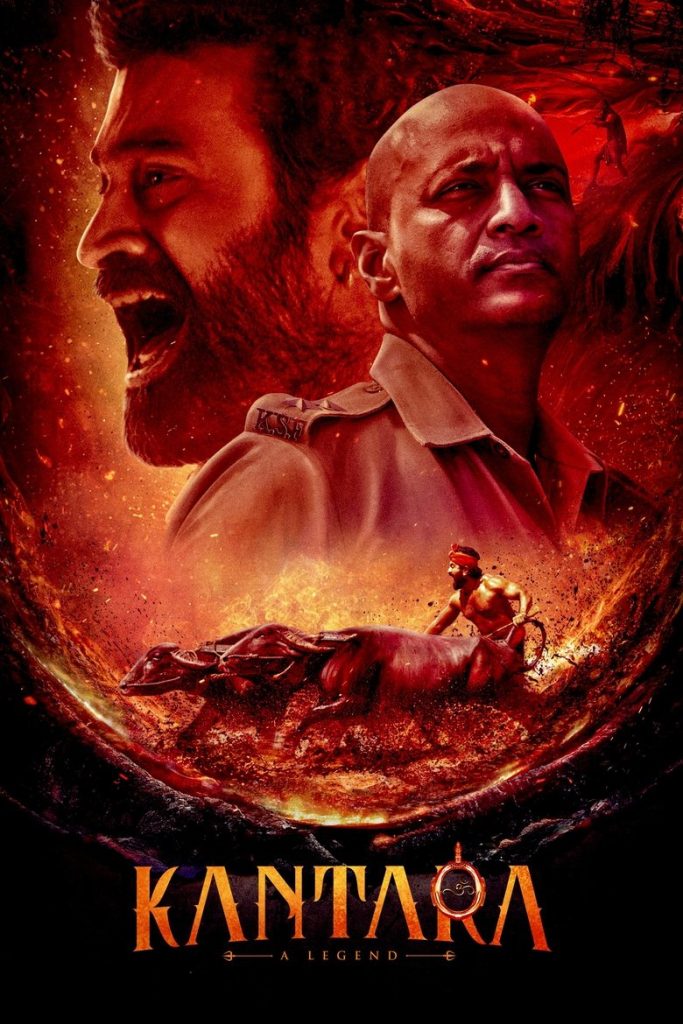
Story overview
Kantara is a 2022 Indian action-drama-thriller film set in a rural village. The story explores themes of tradition, conflict, and cultural heritage through intense confrontations and dramatic tension. While specific plot details are unavailable, the film blends action sequences with emotional drama in a traditional setting.
Parent Guide
Action-drama-thriller with intense sequences and cultural themes. Conservative rating due to 'Not Rated' certification and genre elements.
Content breakdown
Action genre suggests physical confrontations and perilous situations. Specific details unavailable but expect some intense sequences.
Thriller elements may create tension and suspense. Dramatic conflicts could be emotionally intense.
No specific information available. Conservative rating assumes some strong language may be present.
No specific information available. Conservative rating assumes minimal content.
No specific information available. Conservative rating assumes minimal depiction.
Drama and thriller elements suggest emotionally charged situations and conflicts.
Parent tips
Kantara contains action and thriller elements that may be intense for younger viewers. The film deals with conflict and dramatic situations that could be emotionally challenging. Parents should be aware that the 'Not Rated' certification means no official content guidance is available, so previewing or researching further is recommended.
Parent chat guide
Parent follow-up questions
- What colors did you see in the movie?
- Did you see any animals in the film?
- What sounds did you hear?
- Was anyone being kind in the story?
- What was your favorite part to watch?
- How did the characters solve their problems?
- What traditions did you notice in the film?
- How did the music make you feel during different scenes?
- What would you do if you were in that village?
- What did you learn about how people live differently?
- What cultural differences did you observe in the film?
- How did the setting affect the story?
- What themes about tradition versus change did you notice?
- How did the characters show courage or fear?
- What did the film teach you about conflict resolution?
- How does the film portray cultural identity and preservation?
- What social or political themes did you detect in the story?
- How does the film use visual storytelling to convey emotions?
- What commentary does the film make about tradition in modern times?
- How did the film's structure and pacing affect your engagement with the story?
🎭 Story Kernel
At its core, 'Kantara' is a visceral exploration of cultural amnesia and the violent reclamation of identity. It's not merely a conflict between villagers and a corrupt landlord, but a spiritual war where modernity, represented by the landlord's greed and the state's bureaucratic indifference, attempts to erase an ancient, symbiotic relationship between man, land, and deity. The protagonist, Shiva, is driven not by political ideology but by a deep, inherited, almost feral connection to the 'Bhuta Kola' tradition—a connection so intrinsic it manifests as possession. The film argues that when a culture's spiritual contract with nature is broken by exploitation, the resulting fury is not just human, but elemental and divine.
🎬 Visual Aesthetics
The film's visual language is a breathtaking dichotomy. The Bhuta Kola sequences are drenched in fiery oranges, deep reds, and inky blacks, shot with frenetic, handheld urgency that makes the divine possession feel terrifyingly immediate and real. In stark contrast, the scenes of bureaucratic offices and the landlord's world are composed with sterile, static frames and a cooler, washed-out palette, visually manifesting their emotional and spiritual emptiness. The action, particularly the final forest chase and climactic confrontation, is raw and muddy, emphasizing physical struggle over stylized flair. This visual contrast powerfully symbolizes the clash between the vibrant, chaotic world of faith and the deadening order of corrupt authority.
🔍 Details & Easter Eggs
💡 Behind the Scenes
Director-actor Rishab Shetty is a native of the coastal Karnataka region where 'Kantara' is set, and his deep personal connection to the 'Bhuta Kola' tradition is central. The actor portraying the divine performer in the Bhuta Kola sequences is not a mainstream actor but a real-life 'Daiva Narthak' (spirit performer), lending an unparalleled authenticity. Major portions were shot in Shetty's hometown and surrounding forests. The climactic sequence required months of training for the raw, visceral stunt work, deliberately avoiding wire-fu to maintain the gritty, earthly feel of the conflict.
Where to watch
Choose region:
- Netflix
- Amazon Prime Video
- Netflix Standard with Ads
- Amazon Prime Video with Ads