
Kill Bill: Vol. 1 (2003)
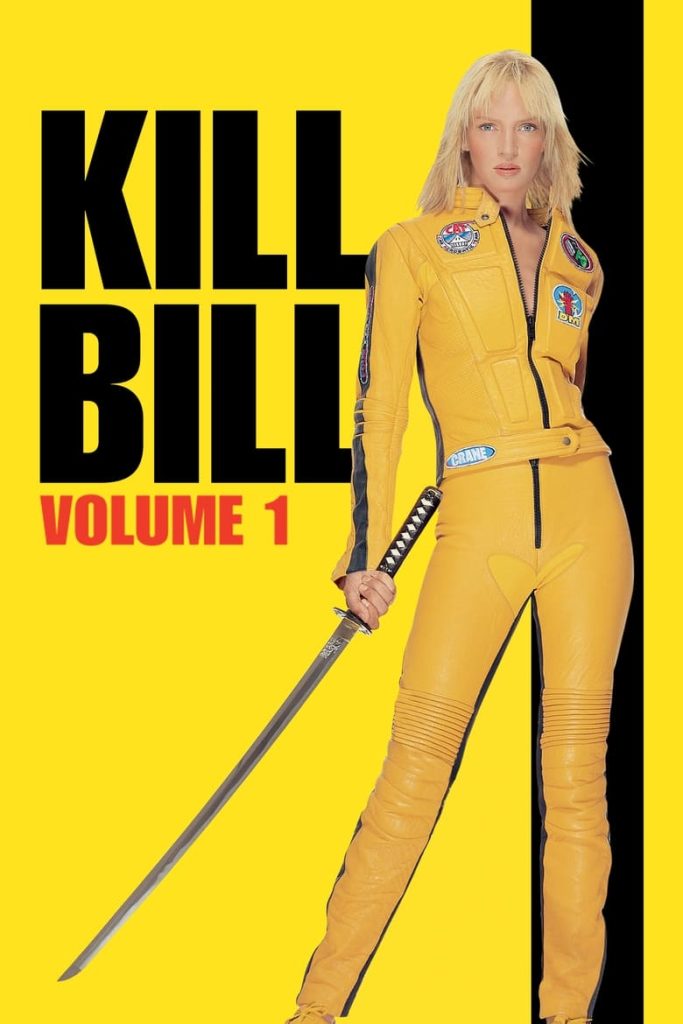
Story overview
This is a stylized action film about a former assassin seeking revenge against her former colleagues. The story follows her violent journey as she confronts members of her old organization. The film features intense martial arts sequences and a non-linear narrative structure typical of the director's work.
Parent Guide
This film contains extreme graphic violence and strong language throughout, making it inappropriate for younger viewers. The R rating should be taken seriously.
Content breakdown
Extremely graphic and frequent violence including sword fights, dismemberment, and bloody injuries. Violence is stylized but explicit and central to the film.
Intense fight scenes, graphic injuries, and themes of revenge and betrayal may be disturbing. Some scenes are particularly brutal.
Frequent strong language including profanity throughout the film.
Brief sexual content and references, though not the primary focus of the film.
Some scenes include alcohol consumption and smoking.
High emotional intensity with themes of revenge, betrayal, and survival. Characters experience significant trauma and pursue violent vengeance.
Parent tips
This film contains extremely graphic violence including sword fights, dismemberment, and bloody injuries throughout. The R rating is well-deserved due to the intense and frequent combat scenes. Parents should be aware that the violence is stylized but very explicit, with bloodshed being a central element of the film's aesthetic.
There is strong language throughout the film, including frequent use of profanity. The film also contains brief sexual content and references, though the primary concern for most families will be the extreme violence. The emotional intensity is high, with themes of betrayal, revenge, and survival driving the narrative.
Parent chat guide
After watching, ask open-ended questions about how the revenge theme made them feel and whether they think violence solves problems. Discuss alternative ways characters could have handled their conflicts. Focus on separating the artistic style from real-world behavior and consequences.
Parent follow-up questions
- Did the fighting scenes make you feel scared?
- What did you think about how the characters were treating each other?
- How do you think people should solve problems without fighting?
- What was your favorite part of the movie?
- How did the music make you feel during the movie?
- How did the revenge story make you feel?
- What do you think about using violence to solve problems?
- Did any parts of the movie seem unrealistic to you?
- How do you think the characters could have handled things differently?
- What did you notice about how the movie was filmed and edited?
- What themes about justice and revenge did you notice in the film?
- How does the stylized violence compare to real-world consequences?
- What did you think about the non-linear storytelling?
- How do the characters' choices affect their lives and others?
- What artistic choices did the director make that stood out to you?
- How does the film explore themes of betrayal and loyalty?
- What commentary might the film be making about violence in media?
- How does the director's style affect your emotional response to the violence?
- What ethical questions does the revenge narrative raise?
- How does the film's structure contribute to its overall impact?
🎭 Story Kernel
At its core, 'Kill Bill: Vol. 1' is a primal scream of feminine rage reclaiming agency. The Bride's journey isn't just about revenge—it's about dismantling the patriarchal systems that betrayed her. The Deadly Viper Assassination Squad represents different facets of the world that tried to erase her: Vernita Green's suburban domesticity, O-Ren Ishii's corporate power structure, and Bill's ultimate paternal betrayal. The film explores how trauma transforms identity—The Bride literally resurrects herself from a four-year coma, shedding her old life to become a weapon of pure will. Each confrontation peels back layers of her stolen motherhood and violated trust, making every sword strike feel like reclaiming stolen territory.
🎬 Visual Aesthetics
Tarantino crafts a living comic book through hyper-stylized violence and deliberate aesthetic choices. The anime sequence explaining O-Ren's origin isn't just exposition—it's a tonal shift into pure graphic novel storytelling. The color-coded costumes (The Bride's yellow tracksuit, O-Ren's white kimono) create visual hierarchies and emotional cues. The House of Blue Leaves sequence masterfully shifts from black-and-white to vibrant color as The Bride's rage fully awakens. Camera work alternates between Sergio Leone-style extreme close-ups during tense dialogue and wide, balletic shots during fight sequences, making violence feel both intimate and operatic. The yellow filter during the hospital scenes creates a sickly, nightmarish quality that lingers.
🔍 Details & Easter Eggs
💡 Behind the Scenes
Uma Thurman performed most of her own sword work after intensive training with legendary swordmaster Yuen Cheung-yan. The iconic yellow tracksuit was Thurman's own suggestion, inspired by Bruce Lee's 'Game of Death' outfit. The House of Blue Leaves sequence took 40 days to film—one of the longest continuous action sequences in cinema history. Lucy Liu insisted on performing her own staircase descent scene despite the complex choreography. Tarantino used different film stocks throughout: 35mm for present day, 16mm for the anime sequence, and Super 16 for the hospital scenes to create distinct visual textures.
Where to watch
Choose region:
- MovieSphere+ Amazon Channel
- Amazon Video
- Google Play Movies
- YouTube
- Apple TV
- Fandango At Home
Trailer
Trailer playback is unavailable in your region.