
Kill Chain: The Cyber War on America’s Elections (2020)
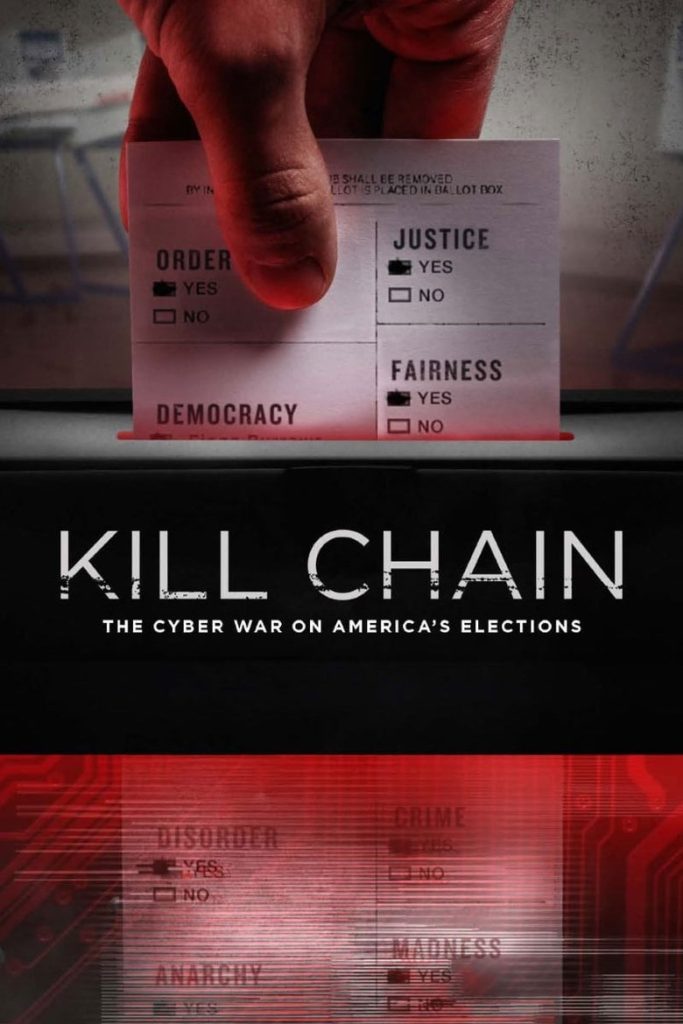
Story overview
This documentary examines cybersecurity vulnerabilities in U.S. election systems ahead of the 2020 presidential election. It explores technical weaknesses in voting technology, potential threats to democratic processes, and features interviews with cybersecurity experts and politicians discussing these critical issues.
Parent Guide
Educational documentary about election security with no concerning content for older children and teens. The discussion focuses on political processes and technology vulnerabilities.
Content breakdown
No violence, action sequences, or physical peril depicted. The 'peril' discussed is abstract - potential threats to election systems.
Some discussions about potential threats to democracy might be concerning for sensitive viewers, but no graphic or disturbing imagery is shown.
No profanity or inappropriate language. Professional, political discourse throughout.
No sexual content, nudity, or romantic situations.
No depiction of alcohol, drugs, or tobacco use.
The subject matter is serious but presented in a measured, documentary style. Some viewers might feel concerned about election security issues.
Parent tips
This documentary focuses on political and technological topics that may be complex for younger viewers. It discusses abstract concepts like election security, cybersecurity threats, and democratic processes without violent or inappropriate content. Best suited for children who can understand political systems and technology discussions.
Parent chat guide
Parent follow-up questions
—
- What is voting?
- Why do people vote for leaders?
- What is a computer?
- How do voting machines work?
- What does 'cybersecurity' mean?
- Why is it important that elections are fair?
- What are the biggest challenges to election security today?
- How can technology both help and threaten democratic processes?
- What responsibilities do citizens have in maintaining election integrity?
🎭 Story Kernel
The movie delves into the systemic vulnerabilities in U.S. election infrastructure, portraying it not as a singular hack but as a continuous, multi-layered assault. It argues that the real threat isn't just foreign interference but also domestic negligence and profit-driven technology vendors. Characters, including cybersecurity experts and journalists, are driven by a desperate urgency to expose these flaws before democracy itself is compromised. The film's core theme is the erosion of public trust, suggesting that the most damaging aspect of cyber warfare is the lingering doubt it sows about the legitimacy of electoral outcomes, regardless of the actual vote count.
🎬 Visual Aesthetics
The visual style is stark and investigative, relying heavily on screen recordings, data visualizations, and tense interviews to build a sense of paranoia. The color palette is often muted, with blues and grays dominating, reflecting the cold, digital nature of the threat. Quick cuts between talking heads and animated maps of cyber attacks create a relentless pace, mimicking the speed of a digital breach. Symbolism is subtle but present, such as shots of empty voting machines or flickering server lights, representing the fragility of the systems we blindly trust.
🔍 Details & Easter Eggs
💡 Behind the Scenes
The documentary features interviews with real-world cybersecurity experts like Harri Hursti and journalists from outlets like The Intercept, lending it immediate credibility. Much of the filming occurred in actual election security conferences and hacker conventions, capturing raw, unscripted moments of concern among professionals. The production faced challenges accessing certain officials, which the film subtly critiques by highlighting their absence or refusal to comment, reinforcing its theme of institutional opacity.
Where to watch
Choose region:
- HBO Max
- Amazon Video
- Apple TV Store
- Google Play Movies
- YouTube
- Fandango At Home
Trailer
Trailer playback is unavailable in your region.