
Killer Sharks: The Attacks of Black December (2011)
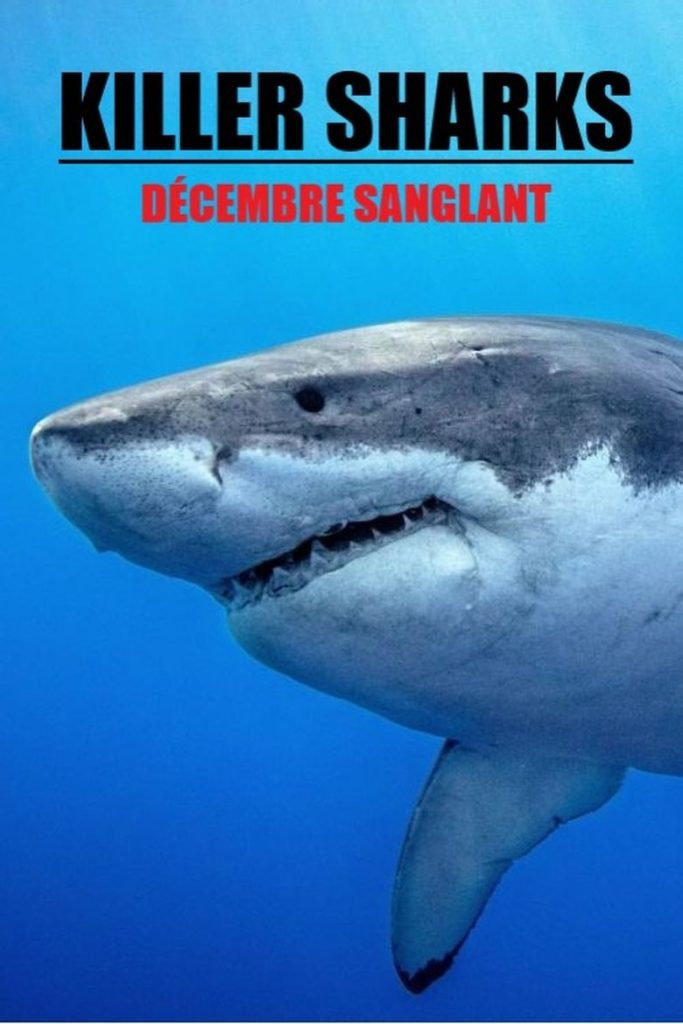
Story overview
This documentary recreates the infamous shark attacks along the Durban, South Africa coastline during the summer of 1957-1958, known as 'Black December.' These events partly inspired Peter Benchley's novel 'Jaws.' The film presents historical reenactments and factual information about these real-life incidents.
Parent Guide
Educational documentary about historical shark attacks with realistic reenactments. Suitable for mature children who can handle intense subject matter with parental guidance.
Content breakdown
Contains reenactments of shark attacks showing people in perilous situations, though not excessively graphic. Includes tense scenes of swimmers being approached by sharks.
The subject matter of shark attacks and the realistic reenactments may be frightening or disturbing to sensitive viewers, especially younger children.
No inappropriate language noted in documentary format.
No sexual content or nudity present.
No substance use depicted.
Creates tension through reenactments of dangerous situations and deals with real-life traumatic events that resulted in injuries.
Parent tips
This documentary includes realistic shark attack reenactments that may be intense for younger viewers. Consider watching with children to provide context and reassurance. The film focuses on historical events rather than sensationalism, but the subject matter involves peril and potential injury.
Parent chat guide
Parent follow-up questions
- Did you see the big fish in the water?
- Were you worried about the people swimming?
- What colors did you see in the ocean?
- What did you learn about sharks from this documentary?
- How do you think the people felt during these attacks?
- Why is it important to be careful in the ocean?
- How accurate do you think the reenactments were compared to real events?
- What safety measures could prevent shark attacks?
- How did these historical events influence popular culture?
- What ethical considerations arise when recreating traumatic historical events?
- How has our understanding of shark behavior changed since 1957?
- What role does media play in shaping public perception of sharks?
🎭 Story Kernel
Beneath its schlocky surface, 'Killer Sharks: The Attacks of Black December' explores humanity's futile attempts to impose order on chaos. The characters aren't driven by complex motives but by basic survival instincts and bureaucratic hubris. The local officials' denial of the shark threat mirrors real-world failures in crisis management, where economic interests trump public safety until it's too late. The film's true conflict isn't man versus shark, but civilization's arrogance versus nature's relentless, amoral efficiency. The sharks aren't villains with malice; they're simply predators following instinct, making their attacks more terrifying in their randomness.
🎬 Visual Aesthetics
The film employs a desaturated blue-gray palette that creates a perpetual overcast mood, making the ocean appear cold and unwelcoming. Shaky handheld cameras during attack scenes enhance visceral panic, while static wide shots of empty beaches emphasize isolation. Practical effects for the shark attacks—noticeably rubbery in close-ups—paradoxically add to the unease through their artificiality, reminding viewers this is a constructed nightmare. Underwater sequences use murky lighting that obscures threats until the last moment, playing on fear of the unseen. The editing rhythm alternates between languid tension-building and sudden, chaotic violence.
🔍 Details & Easter Eggs
💡 Behind the Scenes
Filmed on location in South Africa during actual off-season storm conditions, which explains the authentically rough ocean footage. The lead shark prop was repurposed from a failed theme park attraction. Most attack scenes used local stunt swimmers rather than CGI, resulting in genuinely frantic performances. The film's working title was 'December's Teeth,' changed late in production to capitalize on shark movie trends. Several minor roles were played by actual marine biologists who consulted on set.
Where to watch
Choose region:
- HBO Max
- Discovery +