Killers of the Flower Moon (2023)
Story overview
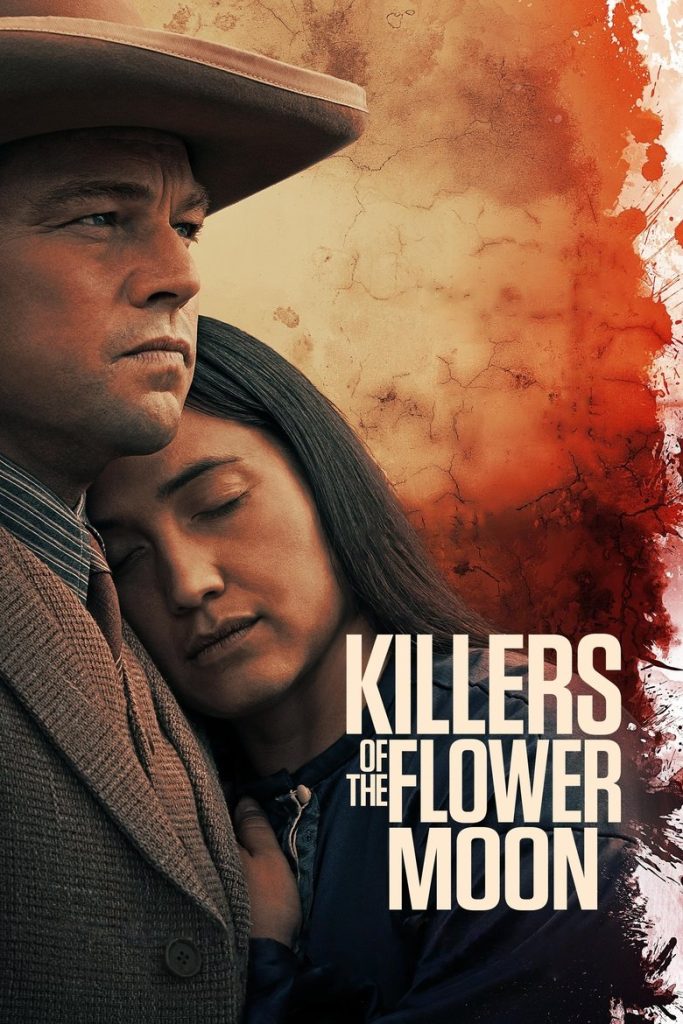
Killers of the Flower Moon is a 2023 historical crime drama based on true events. The film explores the systematic murders of wealthy Osage Nation members in 1920s Oklahoma after oil is discovered on their land. It follows the investigation into these crimes and the conspiracy behind them, revealing themes of greed, betrayal, and injustice against Indigenous people.
Parent Guide
Mature historical drama with intense themes of violence, murder, and systemic injustice. Suitable only for older teens and adults who can handle graphic content and complex ethical questions.
Content breakdown
Depictions of murders, shootings, and violent deaths based on historical events. Scenes show characters being killed, with some blood and graphic implications.
Disturbing themes of systematic murder, betrayal, and racial violence. Psychological tension and emotional weight throughout. Based on true atrocities.
Some strong language including profanity. Period-appropriate dialogue that may include racial slurs or offensive terms reflecting the historical context.
Limited sexual content. May include suggestive situations or brief romantic elements within the story context.
Period-appropriate drinking and smoking. Characters shown consuming alcohol in social settings, reflecting 1920s culture.
High emotional intensity due to themes of betrayal, grief, injustice, and historical trauma. Requires emotional maturity to process.
Parent tips
This R-rated film contains mature content that makes it unsuitable for younger viewers. Parents should be aware it deals with historical violence, murder, and systemic racism. The film's length and complex themes require significant emotional maturity to process.
Consider watching this film with older teens to discuss its historical context and ethical questions. The film's portrayal of real atrocities against Indigenous people may be particularly disturbing and requires thoughtful conversation about America's history.
Parent chat guide
Encourage critical thinking about how history is told and whose perspectives are included. Discuss the difference between historical accuracy and entertainment, and how films can educate while telling compelling stories.
Parent follow-up questions
- What did you notice about how people treated each other in the movie?
- How did the characters show they cared about their family?
- What colors or places did you see that you liked?
- Why do you think some characters made bad choices in the story?
- How did the community work together in the movie?
- What did you learn about how people lived long ago?
- What historical lessons can we learn from this story?
- How does the movie show the importance of fairness and justice?
- Why is it important to learn about difficult parts of history?
- How does the film portray systemic injustice and its consequences?
- What ethical questions does the story raise about greed and power?
- How does this historical context relate to current social issues?
🎭 Story Kernel
The film is a searing examination of the banality of evil, shifting the focus from a traditional whodunit to a character study of complicity. It explores the parasitic relationship between white settlers and the Osage Nation during the 1920s, where wealth was extracted through systematic murder and deceptive marriages. At its heart is the disturbing union of Ernest Burkhart and Mollie Kyle, a marriage where genuine affection and cold-blooded exploitation coexist. Scorsese moves beyond the procedural birth of the FBI to confront how systemic racism and greed allowed a community to be preyed upon in plain sight. The narrative serves as a profound reckoning with American history, highlighting the silence and indifference that often follow state-sanctioned or culturally ignored atrocities against indigenous peoples.
🎬 Visual Aesthetics
Cinematographer Rodrigo Prieto employs a visual palette that transitions from the vibrant, oil-saturated richness of the Oklahoma prairie to a somber, claustrophobic atmosphere as the 'Reign of Terror' intensifies. The film utilizes color grading inspired by early Autochrome photography to ground the story in its specific historical era. A standout sequence features men dancing against a backdrop of roaring oil fires, creating a hellish silhouette that symbolizes the destructive greed consuming the land. Unlike Scorsese’s typical rapid-fire editing, the camera here often remains static or moves with a deliberate, funereal grace. This stylistic choice forces the audience to endure the discomfort of the crimes, emphasizing the weight of the tragedy rather than the thrill of the chase.
🔍 Details & Easter Eggs
💡 Behind the Scenes
The production was filmed on location in the Osage Nation in Oklahoma, utilizing the actual towns of Pawhuska and Fairfax to maintain historical and geographical integrity. Scorsese collaborated extensively with Osage consultants and Chief Geoffrey Standing Bear to ensure the accurate representation of language, rituals, and clothing. Interestingly, the original screenplay focused on the FBI's investigation with Leonardo DiCaprio cast as agent Tom White. However, DiCaprio and Scorsese decided to overhaul the script to focus on the relationship between Ernest and Mollie, believing the human element of the betrayal was more compelling than a standard procedural.
Where to watch
Choose region:
- Apple TV
- Apple TV Amazon Channel
- Amazon Video
- Google Play Movies
- YouTube
- Fandango At Home
- Plex
Trailer
Trailer playback is unavailable in your region.