
King Tut: A Century of Secrets (2022)
Story overview
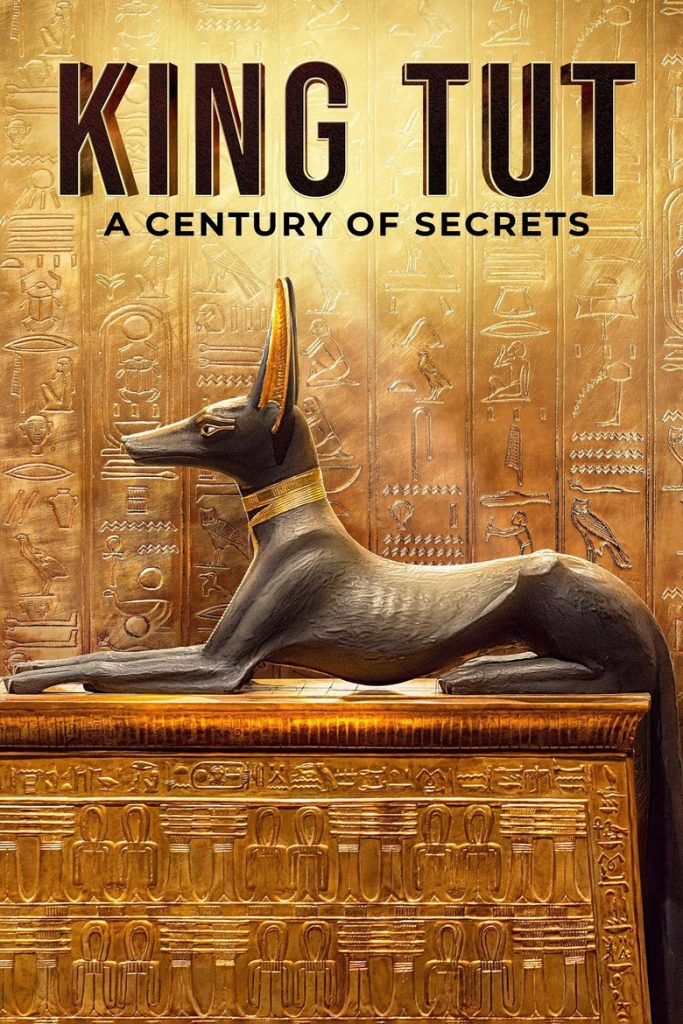
This documentary commemorates the 100th anniversary of the discovery of King Tutankhamun's tomb, following leading Egyptologists as they use modern technology to re-examine the artifacts during their transfer to a new museum. It presents scientific investigation and historical discovery in an educational format, focusing on archaeological methods and revised understandings of ancient Egyptian history without dramatization.
Parent Guide
Educational documentary about archaeological research with no concerning content. Appropriate for elementary school children and up who can follow scientific explanations.
Content breakdown
No violence or peril depicted. The documentary focuses on scientific examination of artifacts and historical discussion.
No scary or disturbing content. May include brief discussion of ancient burial practices but presented in academic, non-sensational context.
No concerning language. Professional, educational dialogue throughout.
No sexual content or nudity. Artifacts shown are historical objects.
No substance use depicted or discussed.
Mild excitement around scientific discovery. No intense emotional content.
Parent tips
Suitable for children interested in history or archaeology. The content is educational and factual, with no concerning elements. Younger viewers might find some discussions of ancient burial practices conceptually abstract, but it's presented academically. Consider watching together to explain archaeological concepts or discuss how historical understanding evolves with new evidence.
Parent chat guide
Parent follow-up questions
- Did you see any shiny treasures in the movie?
- What was your favorite thing they found?
- Can you draw a picture of a pyramid or treasure?
- What tools do you think scientists use to study old objects?
- Why do you think King Tut was important?
- What would you want to discover if you were an archaeologist?
- How does modern technology help us understand ancient history better?
- Why do you think Tutankhamun's tomb was such an important discovery?
- What challenges do archaeologists face when studying ancient artifacts?
- How does this documentary demonstrate the scientific method in archaeology?
- What ethical considerations might be involved in studying ancient tombs and remains?
- How has our understanding of Tutankhamun changed over the past century, and why?
🎭 Story Kernel
The film is less about Tutankhamun himself and more a meditation on obsession and the human need to create narratives from silence. It posits that the 'secrets' of the past century are not Tut's, but our own—our colonial guilt, our thirst for spectacle, and our desperate attempts to fill historical voids with personal meaning. The driving force isn't archaeological discovery, but the psychological unraveling of each generation of researchers who project their era's anxieties onto the boy king's tomb. The real curse is the burden of interpretation, as every new theory says more about the theorist than the pharaoh.
🎬 Visual Aesthetics
The cinematography masterfully contrasts clinical, sterile modern labs with the oppressive, shadow-drenched intimacy of the tomb's recreated spaces. A desaturated, dusty palette dominates, making the sudden, almost violent flashes of gold artifacts feel like visual shocks. The camera often adopts a voyeuristic, shaky quality during excavation scenes, mimicking the trespass of discovery. Key symbolism lies in the persistent use of extreme close-ups on eyes—of mummies, statues, and researchers—creating an unnerving sense of being watched across millennia, questioning who is really observing whom.
🔍 Details & Easter Eggs
💡 Behind the Scenes
The production secured rare access to the actual Griffith Institute archives in Oxford, where many of Howard Carter's original records are held. Several scenes were shot using specialized low-light cameras to avoid damaging artifacts, creating the naturally murky, authentic tomb atmosphere. A noted Egyptologist consultant on the film has publicly disagreed with its central conspiracy premise, creating a real-world meta-narrative about the conflict between academic rigor and popular storytelling that the documentary itself explores.
Where to watch
Choose region:
- HBO Max
- Discovery +
Trailer
Trailer playback is unavailable in your region.