
Kissufim (2023)
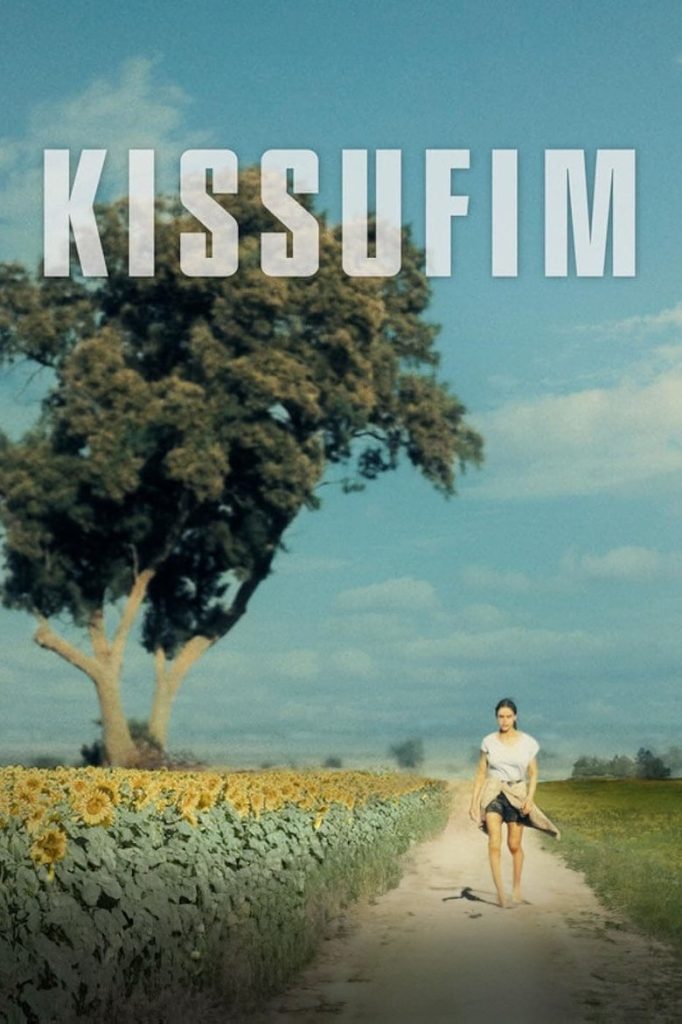
Story overview
Kissufim is a 2023 drama film that explores human relationships and emotional journeys. The story likely follows characters navigating personal challenges or societal themes common in dramatic cinema. As a drama, it focuses on character development and emotional depth rather than action or fantasy elements.
Parent Guide
A drama film that may contain emotional themes suitable for older children and teens with parental guidance.
Content breakdown
May contain dramatic tension or emotional conflict typical of the genre.
Could include emotionally intense scenes that might be unsettling for sensitive viewers.
May include dramatic dialogue that could contain mild expressions.
No information suggests sexual content, but dramas sometimes include romantic elements.
No information suggests substance use themes.
Dramas typically explore complex emotions and relationships that can be intense.
Parent tips
This drama film may contain emotional themes that could be challenging for younger viewers. Consider watching it first to assess its suitability for your family. Discuss the film's themes with your children afterward to help them process any complex emotions or situations presented.
Parent chat guide
Parent follow-up questions
- What was your favorite part of the movie?
- How did the characters feel when they were happy?
- What colors did you see in the movie?
- Can you tell me about one character you liked?
- What sounds did you hear in the movie?
- What problem did the main character face?
- How did the characters help each other?
- What would you do if you were in that situation?
- What lesson did the characters learn?
- How did the movie make you feel?
- What themes did you notice in the story?
- How did the characters change throughout the film?
- What choices did the characters make that you agreed or disagreed with?
- How did the setting affect the story?
- What would you change about the ending?
- How does this film reflect real-world situations?
- What social or cultural issues does the movie address?
- How did the film techniques (like camera work or music) affect your viewing experience?
- What moral dilemmas did the characters face?
- How does this film compare to other dramas you've seen?
🎭 Story Kernel
Set in 1977, Kissufim explores the fragile intersection of youthful exuberance and the encroaching shadows of national duty. It centers on a group of Nahal volunteers stationed at Kibbutz Kissufim, capturing a pivotal moment in Israeli history just as the peace process with Egypt begins to flicker. The film is less about political grandstanding and more about the internal friction of the collective; it examines how personal dreams, romantic entanglements, and individual identities are often subsumed by the rigid expectations of kibbutz life and military service. It expresses the universal ache of a 'last summer' of innocence, where the vibrancy of youth is perpetually haunted by the proximity of a volatile border, ultimately questioning if the communal dream can survive the weight of personal loss and the inevitable transition into adulthood.
🎬 Visual Aesthetics
Director Keren Nechmad employs a nostalgic, warm-hued palette that evokes the grainy texture of a 1970s photograph, effectively romanticizing the kibbutz landscape before stripping it bare. The cinematography utilizes wide, sweeping shots of the fields to emphasize the isolation of the community, contrasted with tight, handheld close-ups during intimate social gatherings to create a sense of claustrophobic camaraderie. Symbolism is found in the recurring imagery of the perimeter fence, which serves as a constant visual reminder of the thin line between safety and catastrophe. The lighting often transitions from the golden 'magic hour' of the fields to the harsh, fluorescent reality of the communal dining hall, mirroring the characters' shift from idealistic dreamers to pragmatic adults facing an uncertain and often violent future.
🔍 Details & Easter Eggs
💡 Behind the Scenes
The film is deeply personal to director Keren Nechmad, as it is inspired by the real-life stories and experiences of her father and his friends during their time in the Nahal brigade. Lead actress Swell Ariel Or, known for her breakout role in 'The Beauty Queen of Jerusalem,' underwent significant preparation to portray the nuances of 1970s kibbutz life. The production was filmed on location to maintain authenticity, capturing the unique architecture and atmosphere of the Negev region, which added a layer of historical weight to the performances and the film's eventual release on Netflix.
Where to watch
Choose region:
- Netflix
- Netflix Standard with Ads