
Klaus (2019)
Story overview
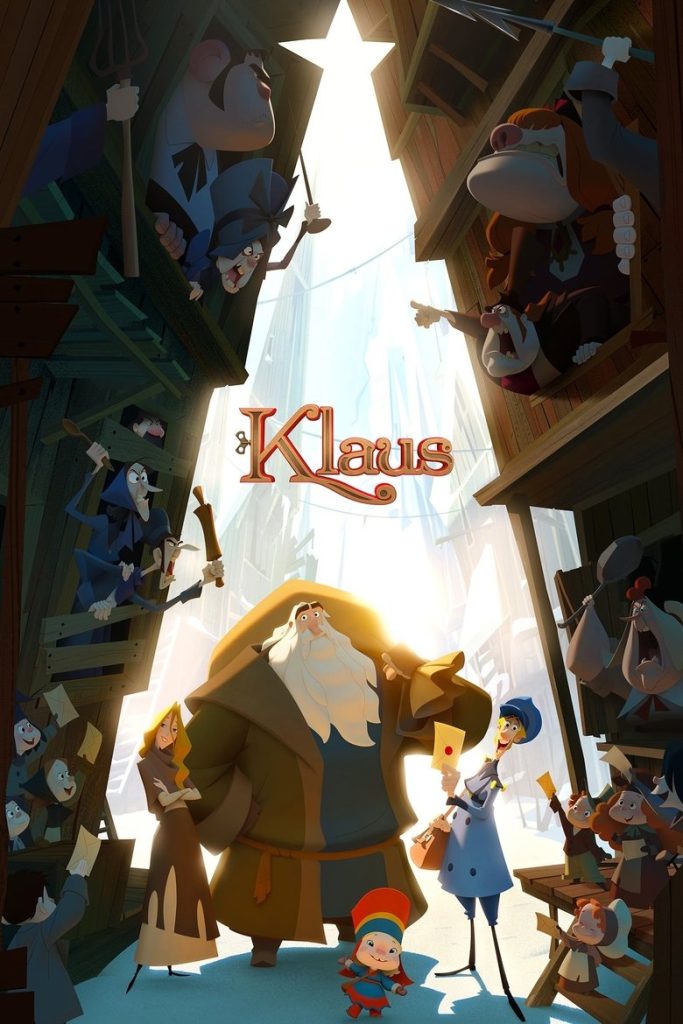
Klaus is an animated holiday film that offers a fresh origin story for Santa Claus. It follows a selfish, spoiled postman who is sent to a remote, frozen town as punishment and forms an unexpected partnership with a reclusive toymaker. Together, they bring joy and kindness to the divided, gloomy community, sparking a transformation that touches everyone's hearts. The story beautifully illustrates how small acts of generosity can create lasting change and warmth.
Parent Guide
A beautifully animated, uplifting film about kindness and redemption, with mild cartoon action and emotional moments suitable for most families.
Content breakdown
Cartoonish slapstick (e.g., characters hit with fish, comical falls); brief peril when a character falls through ice but is quickly rescued without harm.
Initial gloomy, cold setting and some tense moments (e.g., community conflict, icy danger) might briefly unsettle very young viewers, but resolution is positive.
No offensive or inappropriate language noted.
No sexual content or nudity.
No depiction of substance use.
Themes of loneliness, redemption, and joy may evoke empathy and happy tears, but are handled in an uplifting, family-friendly manner.
Parent tips
Klaus is a heartwarming family film with a PG rating, suitable for most children but with some elements to consider. The movie contains mild cartoonish violence, including brief scenes of characters being hit with fish, comical pratfalls, and a tense moment where a character falls through ice (he is quickly rescued). Some younger or more sensitive children might find the initial gloomy atmosphere and the town's conflict slightly intense, though the overall tone is uplifting and humorous.
The film's themes of selfishness, redemption, and community are presented in an accessible way, making it a great conversation starter about kindness and empathy. There's no inappropriate language, sexual content, or substance use, and the emotional moments are positive and reinforcing.
Parent chat guide
After viewing, discuss the transformation of the town and characters. Ask how the postman changed and why, and talk about times your child has shown or received kindness. This helps reinforce the film's positive themes and connects them to real-life experiences.
Parent follow-up questions
- What was your favorite toy in the movie?
- How did the town look at the beginning and the end?
- Can you draw a picture of something kind you saw?
- What made the postman happy at the end?
- Who was your favorite character and why?
- Why do you think the postman didn't want to help at first?
- How did making toys change the town?
- What does it mean to be 'selfish' or 'kind' like in the movie?
- What would you do if you lived in that cold town?
- How did the characters work together?
- What lessons did the postman learn throughout the story?
- How does the film show the power of small acts of kindness?
- Why do you think the toymaker was so isolated at first?
- How did the movie make you feel about holiday traditions?
- What would have happened if they never started delivering toys?
- How does the film use animation to enhance its emotional themes?
- What does the story say about community and redemption?
- How realistic do you find the characters' transformations, and why?
- In what ways does the movie subvert or reinforce Santa Claus myths?
- How might the film's messages apply to real-world situations?
🎭 Story Kernel
At its core, 'Klaus' explores how systemic cynicism can be dismantled through genuine human connection rather than forced ideology. Jesper's journey from self-serving opportunist to community catalyst reveals that meaningful change occurs when individuals act from personal empathy rather than abstract duty. The film argues that traditions like gift-giving emerge organically from healed relationships, not institutional mandates. The Smeerensburg feud persists because both sides define themselves by opposition; Klaus and Jesper break the cycle by creating new patterns of interaction that transcend tribal loyalties.
🎬 Visual Aesthetics
The film's hybrid 2D/3D animation creates a tactile, storybook quality where every frame feels handcrafted yet dynamic. Director Sergio Pablos intentionally avoided the glossy CGI look, instead using lighting techniques that mimic traditional painting—notice how shadows behave like watercolor washes. The color palette evolves from desaturated blues and grays in the cynical opening to warm golds and reds as generosity spreads. Camera movements emulate classic cinematic techniques, with dramatic dolly shots emphasizing emotional revelations and subtle rack focuses guiding viewer attention.
🔍 Details & Easter Eggs
💡 Behind the Scenes
Director Sergio Pablos spent years developing the 'Klaus' visual style after becoming disillusioned with homogenized CGI animation. The film was initially rejected by major studios for being 'too traditional' before Netflix took a chance. Voice actor J.K. Simmons recorded Klaus's lines while actually whittling wood to capture authentic crafting sounds. The fictional Smeerensburg architecture combines elements from Norwegian stave churches, Scottish coastal villages, and Icelandic landscapes to create its distinct northern isolation.
Where to watch
Choose region:
- Netflix
- Netflix Standard with Ads
Trailer
Trailer playback is unavailable in your region.