Kneecap (2024)
Story overview
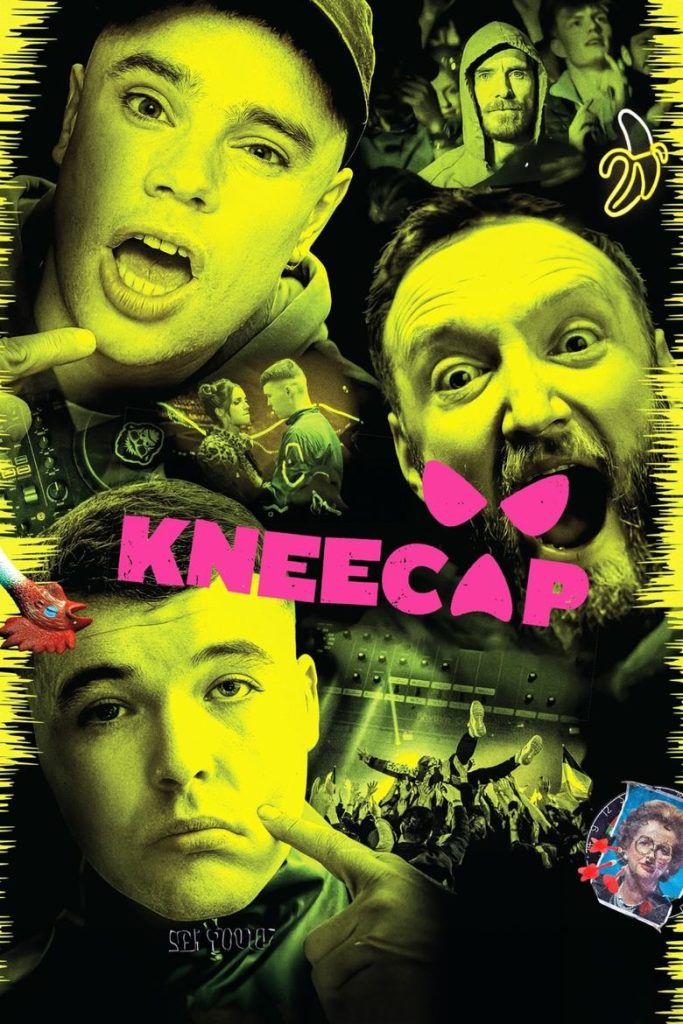
Kneecap is a 2024 music comedy-drama film that follows the formation and rise of a band. The story explores themes of artistic expression, cultural identity, and the challenges of pursuing creative dreams. With its R rating, it likely contains mature content suitable for older audiences.
Parent Guide
This R-rated film contains mature content requiring parental guidance for viewers under 17.
Content breakdown
May contain some conflict or tension typical of drama films.
Could include emotionally intense scenes related to artistic struggles.
R rating suggests strong language may be present.
May contain adult themes or references typical of R-rated films.
Could include depictions of substance use given the music industry setting.
Likely explores emotional themes around creativity and identity.
Parent tips
This film has an R rating, indicating content that may be inappropriate for children under 17 without parental guidance. Parents should be aware that the rating suggests strong language, adult themes, or other mature elements. Consider watching the film yourself first to determine if it's appropriate for your family.
Parent chat guide
Parent follow-up questions
- What was your favorite part of the movie?
- Did you see any instruments in the film?
- What colors did you notice most?
- What did you think about the characters' dreams?
- How did the music make you feel?
- What challenges did the characters face?
- What message do you think the film was trying to share?
- How did the characters work together as a team?
- What did you learn about creating music?
- How does this film portray the creative process?
- What cultural themes did you notice in the story?
- Do you think the film's portrayal of artistic struggle is realistic?
🎭 Story Kernel
At its core, Kneecap is a defiant exploration of cultural identity and the reclamation of the Irish language (Gaeilge) in a post-Troubles Belfast. It transcends the typical musical biopic by framing language not as a museum piece, but as a living, breathing weapon of resistance. The narrative follows Mo Chara, Móglaí Bap, and DJ Próvaí as they navigate a landscape of sectarian tension, police harassment, and internal community pressures. The film argues that the survival of a culture depends on its ability to adapt and offend, positioning hip-hop as the modern vessel for ancient heritage. It is a story about the anarchy of a generation refusing to be silenced by historical trauma or contemporary apathy, ultimately asserting that a language is only dead if its speakers have nothing left to say.
🎬 Visual Aesthetics
Rich Peppiatt employs a frenetic, high-octane visual language that mirrors the chaotic energy of the band’s music. The cinematography is characterized by kinetic camera movements, rapid-fire editing, and vibrant, neon-soaked palettes that contrast with the gritty, grey reality of West Belfast. A standout feature is the integration of animated graffiti and on-screen text, which serves to translate Irish lyrics while reinforcing the film's rebellious, street-art aesthetic. This stylistic choice bridges the gap between traditional culture and modern urban life. Symbolism is woven into the mundane—such as the recurring use of the balaclava, which shifts from a symbol of paramilitary violence to one of artistic anonymity and collective identity. The visual style is unapologetically maximalist, ensuring the audience feels the visceral pulse of the rave scene.
🔍 Details & Easter Eggs
💡 Behind the Scenes
Kneecap is notable for being the first Irish-language film to premiere at the Sundance Film Festival, where it won the NEXT Audience Award. In a rare move for a biopic, the three founding members of the group—Liam Óg Ó Hannaidh, Naoise Ó Cairealláin, and JJ Ó Dochartaigh—portray themselves, lending the film an authentic, semi-autobiographical grit. Michael Fassbender joins the cast as Móglaí Bap’s father, a choice that adds significant weight to the film's exploration of generational trauma. The production was a collaborative effort between Irish and UK entities, signaling a growing international interest in minority-language cinema.
Where to watch
Choose region:
- Netflix
- Amazon Video
- Apple TV
- Google Play Movies
- YouTube
- Fandango At Home
Trailer
Trailer playback is unavailable in your region.