
Kokuho (2025)
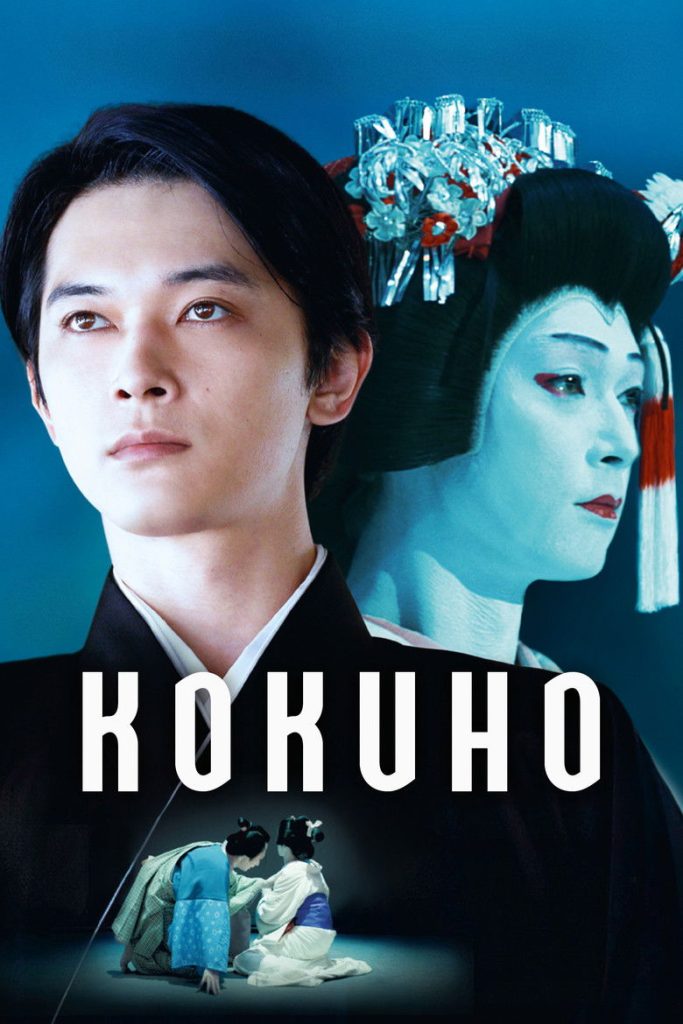
Story overview
Kokuho is a Japanese drama set in 1964 Nagasaki, following 15-year-old Kikuo after his yakuza father's death. He is mentored by a renowned kabuki actor and forms a lifelong bond with the actor's son, Shunsuke. The film spans decades, chronicling their dedication to kabuki theater as they grow together, with one ultimately becoming a master of this traditional art form.
Parent Guide
A thoughtful drama about artistic dedication and personal growth, suitable for mature children interested in culture and character-driven stories.
Content breakdown
Mention of yakuza background but no violent scenes depicted. Some dramatic tension in theatrical performances.
Kabuki makeup and stylized performances might seem unusual to younger viewers. Themes of parental death handled with emotional weight but not graphically.
No offensive language expected in this cultural drama. Japanese dialogue with subtitles.
No sexual content or nudity. Focus is on artistic and personal relationships.
No depiction of substance use. Set in traditional theatrical environment.
Themes of loss, ambition, lifelong dedication, and artistic passion. Spanning decades shows characters aging and evolving. Some scenes may be emotionally resonant.
Parent tips
This film focuses on artistic dedication, mentorship, and personal growth within traditional Japanese culture. At 174 minutes, it requires sustained attention. The yakuza background is mentioned but not depicted violently. Kabuki performances involve dramatic makeup and stylized acting that younger children might find unusual. The emotional journey deals with loss, ambition, and lifelong friendship.
Parent chat guide
Parent follow-up questions
- What colors did you see in the kabuki makeup?
- How did the characters show they were friends?
- What sounds did the theater make?
- Why do you think Kikuo wanted to learn kabuki?
- How is kabuki different from plays you've seen?
- What does it mean to be a 'master' of something?
- How does the film show time passing over decades?
- What challenges might someone face when dedicating their life to an art form?
- How does the setting of 1960s Japan affect the story?
- Analyze how grief transforms into artistic drive in Kikuo's journey.
- Discuss the film's portrayal of traditional art preservation versus personal expression.
- How does the film comment on found family versus biological family?
Where to watch
Streaming availability has not been announced yet.
Trailer
Trailer playback is unavailable in your region.