
Kubo and the Two Strings (2016)
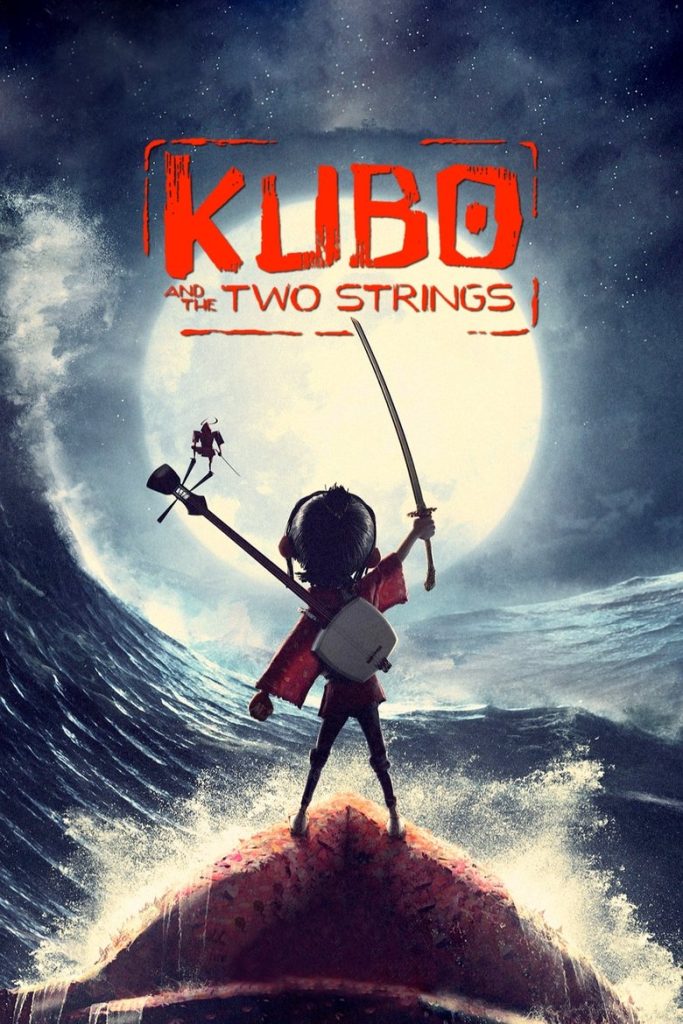
Story overview
Kubo and the Two Strings is a visually stunning animated adventure about a young boy with magical storytelling abilities. When he accidentally summons a vengeful spirit, Kubo must embark on a quest to uncover the truth about his family's past and discover his own hidden powers. The film combines Japanese folklore with themes of family, memory, and courage as Kubo faces supernatural challenges.
Parent Guide
A beautifully animated fantasy adventure with moderate intensity and meaningful themes about family and courage. Best for children who can handle some fantasy peril and emotional moments.
Content breakdown
Fantasy violence including magical battles, supernatural creatures attacking characters, and perilous situations. No graphic injuries shown, but characters face life-threatening dangers.
Some intense sequences with supernatural spirits, dark atmospheric scenes, and emotional moments involving family loss. The overall tone has dark fantasy elements that could disturb sensitive viewers.
No offensive language noted in the PG-rated film.
No sexual content or nudity.
No substance use depicted.
Themes of family loss, memory, and sacrifice create emotional moments. Characters experience fear, grief, and determination throughout their journey.
Parent tips
This PG-rated film contains moderate fantasy violence and peril that may be intense for younger children. Several scenes feature supernatural creatures, battles with magical weapons, and emotional moments involving family loss. The film's themes of death, memory, and sacrifice are handled thoughtfully but could be challenging for sensitive viewers.
While the animation is beautiful and the story is ultimately uplifting, parents should be aware that some sequences are quite dark and atmospheric. The film deals with mature concepts like parental death and family conflict within its fantasy framework. The 102-minute runtime may also test younger children's attention spans.
On the positive side, the film promotes values of courage, storytelling, and family bonds. The main character demonstrates resilience and problem-solving skills throughout his journey. The Japanese cultural elements provide educational opportunities about different traditions and art forms.
Parent chat guide
During viewing, be available to answer questions about the fantasy elements and cultural aspects. If scenes become intense, you can pause to check in with your child about how they're feeling. Point out how the characters show bravery and help each other through difficult situations.
After the movie, discuss the themes of family, memory, and courage. Ask what your child learned about facing challenges and why stories are important. Talk about how different characters showed kindness or bravery, and how we can apply those lessons in real life.
Parent follow-up questions
- What was your favorite part of the movie?
- How did Kubo show he was brave?
- What did you think about the paper animals?
- How did the characters help each other?
- What makes a good story?
- Why do you think stories are important in the movie?
- How did Kubo solve problems without fighting?
- What did you learn about Japanese culture from the film?
- How did the characters show they cared about each other?
- What does it mean to be brave when you're scared?
- What themes about family did you notice in the story?
- How does the film show that memories are important?
- What different types of courage did characters demonstrate?
- How did the animation style help tell the story?
- What messages about facing challenges did you take away?
- How does the film explore the relationship between storytelling and identity?
- What cultural elements stood out to you and why?
- How are themes of loss and memory handled in the narrative?
- What did you think about the film's approach to fantasy violence?
- How does the animation style contribute to the emotional impact?
🎭 Story Kernel
At its heart, 'Kubo and the Two Strings' is a profound meditation on grief and the stories we tell to survive it. The narrative isn't driven by a quest for power, but by Kubo's desperate need to understand his fractured family and complete the story his mother left unfinished. The Moon King represents a desire for sterile, emotionless perfection, which Kubo defeats not with violence, but by restoring the messy, painful, and beautiful memories of his parents. The 'two strings' of the title are revealed to be the literal and metaphorical connections to his parents—the shamisen string from his father's bow and the strand of his mother's hair—symbolizing that our identities are woven from the love and loss we inherit.
🎬 Visual Aesthetics
The film's visual language masterfully blends intricate stop-motion with subtle CGI enhancements, creating a tactile, origami-inspired world that feels both fragile and epic. Director Travis Knight employs a dynamic, almost cinematic camera, with sweeping wides for the vast landscapes and intimate close-ups on the detailed puppetry, especially during Kubo's storytelling. The color palette is deliberately segmented: the warm, earthy tones of the village contrast with the cold, monochromatic blues and whites of the celestial realms, visually reinforcing the conflict between human warmth and sterile immortality. The action, like the skeleton fight, uses scale and choreography to feel thrillingly grand despite the medium's inherent miniature scale.
🔍 Details & Easter Eggs
💡 Behind the Scenes
This was the first Laika film directed by Travis Knight, the studio's CEO and lead animator. The 16-foot-tall Skeleton demon required the largest stop-motion puppet ever built at the time. Actor Matthew McConaughey recorded his lines for Beetle while physically acting out the scenes with the animators to capture the character's clumsy, insectoid physicality. The film's stunning water effects during the boat sequences were achieved through a combination of practical wave tanks and digital enhancement, a technical marvel in stop-motion.
Where to watch
Choose region:
- Netflix
- Netflix Standard with Ads
- Amazon Video
- Apple TV
- Google Play Movies
- YouTube
- Fandango At Home
- Spectrum On Demand
Trailer
Trailer playback is unavailable in your region.