
Lady and the Tramp (1955)
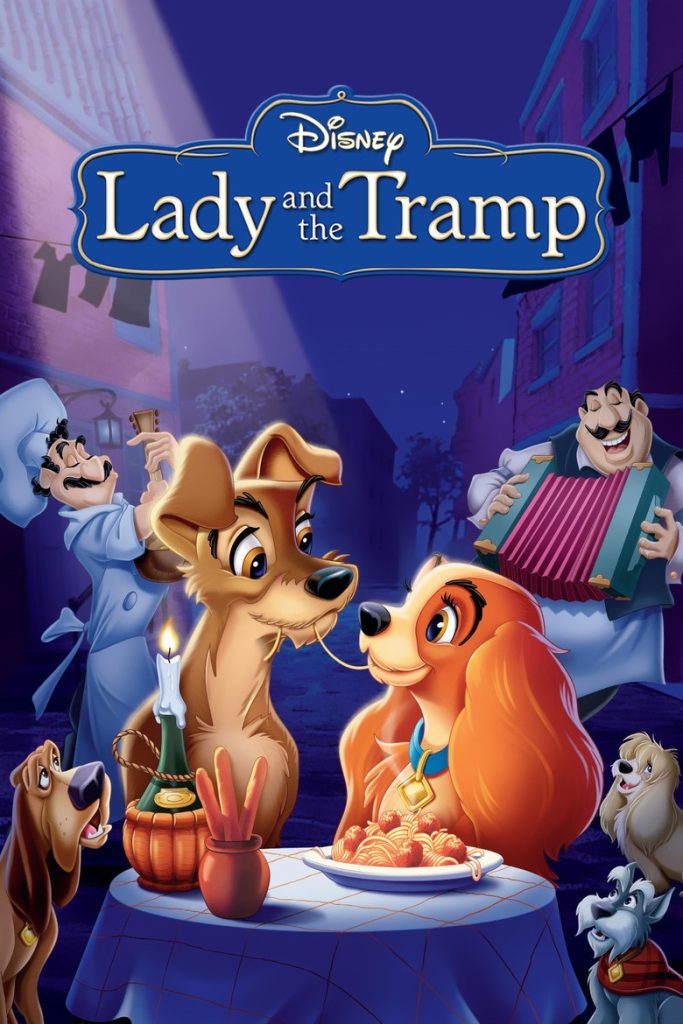
Story overview
Lady and the Tramp is a classic animated film about two dogs from different backgrounds who form an unlikely friendship. The story follows Lady, a well-cared-for cocker spaniel, as she encounters Tramp, a street-smart stray who shows her life beyond her comfortable home. Their adventures together explore themes of loyalty, friendship, and finding common ground despite differences. The film presents a charming tale of canine companionship with memorable musical moments.
Parent Guide
A gentle animated classic with positive messages about friendship, suitable for most children with some mild moments that might need explanation.
Content breakdown
Some chase scenes with animals, mild confrontations between dogs and other animals, and brief moments of peril that resolve quickly.
A few scenes with barking dogs, animal confrontations, and brief separation anxiety that might concern sensitive young viewers.
No inappropriate language; all dialogue is family-friendly.
No sexual content; includes a romantic spaghetti dinner scene that is sweet and innocent.
No substance use depicted.
Mild emotional moments related to friendship, loyalty, and brief separation, but overall positive and uplifting tone.
Parent tips
This G-rated Disney classic is generally appropriate for most children, featuring gentle storytelling and positive messages about friendship and loyalty. Parents should be aware that some scenes involve mild peril, such as animal chases and confrontations with other animals, which might be slightly intense for very young viewers. The film also includes some outdated cultural depictions that parents may want to discuss with older children in historical context.
Parent chat guide
Parent follow-up questions
- What was your favorite part with the dogs?
- How did Lady and Tramp help each other?
- What sounds did the animals make?
- How do you take care of pets?
- What makes someone a good friend?
- Why do you think Lady and Tramp became friends?
- What did you learn about how different animals live?
- How did the characters show they cared about each other?
- What would you do if you saw an animal that needed help?
- What makes a home feel safe and happy?
- How does the film show differences between characters' lifestyles?
- What responsibilities do pet owners have in the story?
- How do the characters overcome challenges together?
- What messages about friendship does the film share?
- How might this story be different if made today?
- What social themes does the film explore through the dogs' relationship?
- How does the film portray class differences and stereotypes?
- What cultural values from the 1950s are reflected in the story?
- How does the animation style contribute to the storytelling?
- What timeless elements make this story still relevant today?
🎭 Story Kernel
Beneath its charming surface, 'Lady and the Tramp' is a trenchant exploration of social stratification and domesticity. The film's real tension isn't about dogs falling in love, but about conflicting philosophies of life. Lady represents the security and order of the bourgeois home—her world defined by fences, schedules, and approved behaviors. Tramp embodies anarchic freedom, surviving through street smarts and rejecting the very concept of ownership. Their romance becomes a negotiation between these values. The arrival of the human baby further complicates this, as Lady must confront whether her privileged position is contingent on utility and obedience. The climax with the rat isn't just action—it's Tramp proving his 'unrefined' skills have vital worth that her polished world lacks, forcing a reevaluation of what truly constitutes value and belonging.
🎬 Visual Aesthetics
The film's visual language masterfully uses perspective to cement its class commentary. We experience the world literally from the dogs' eye level—human faces are often cropped, furniture looms large, and the sidewalk becomes a vast landscape. This isn't just cute; it reinforces how their reality is shaped by their subordinate position. The color palette delineates worlds: Lady's home is rendered in warm, soft pastels and clean lines, while Tramp's streets are darker, with richer browns and shadows that suggest both danger and freedom. The iconic spaghetti scene uses a shared meal—a universal human ritual of connection—to bridge their social divide, with the intimate camera work and the soft focus creating a bubble of equality the outside world denies them. The animation of the supporting dogs, like the effete Peg or the neurotic Jock, uses exaggerated physicality as visual shorthand for their personalities and social roles.
🔍 Details & Easter Eggs
💡 Behind the Scenes
The famous spaghetti scene was inspired by a story from animator Joe Grant, who recalled a romantic dinner with his wife where they shared a single strand of spaghetti. The vocal casting is iconic: Peggy Lee not only voiced four characters (Darling, Peg, and the Siamese Cats) but also co-wrote the songs, making her one of the first major singer-songwriters to contribute so heavily to a Disney film. The film was one of Disney's first to be shot in the widescreen CinemaScope format, which influenced the composition of scenes like the leisurely walk through the park, using the elongated frame to create a more cinematic, epic feel for a intimate story.
Where to watch
Choose region:
- Disney Plus
- Amazon Video
- Apple TV
- Google Play Movies
- YouTube
- Fandango At Home
Trailer
Trailer playback is unavailable in your region.