
Laila Majnu (2018)
Story overview
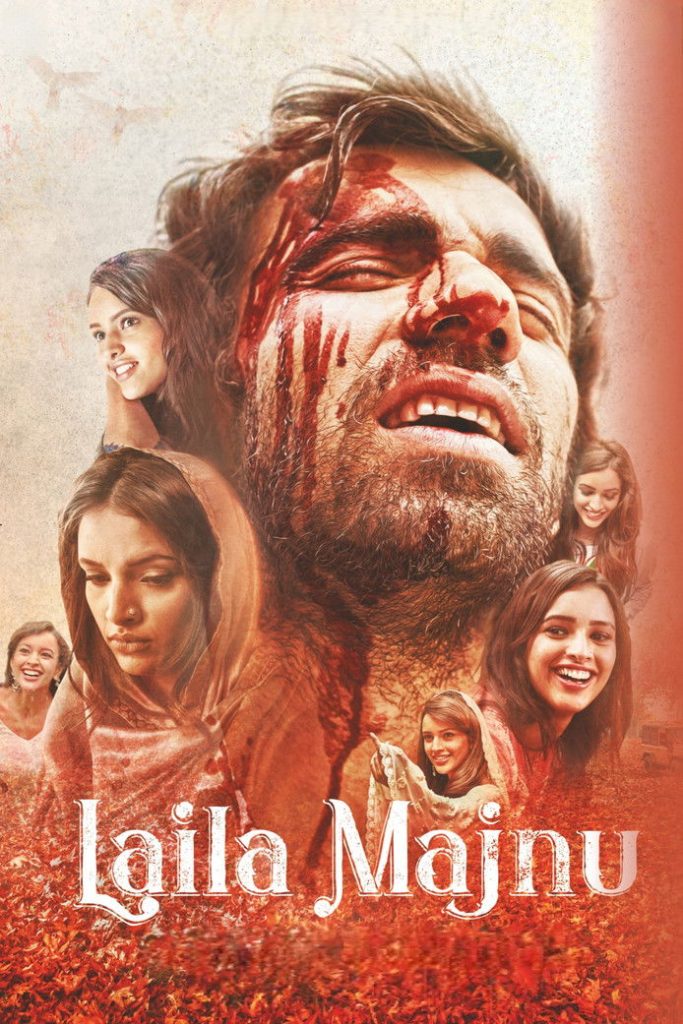
Laila Majnu is a 2018 Indian romantic drama film directed by Sajid Ali. Set in contemporary Kashmir, it reimagines the classic tragic love story of Laila and Majnu. Laila is a free-spirited young woman from a conservative family who believes in living in the moment, while Qais (who becomes Majnu) is a privileged young man who falls deeply in love with her. Their romance faces intense opposition from their families, who are embroiled in a bitter property dispute. The film explores themes of passionate love, family conflict, societal pressures, and the destructive consequences of feuds, ultimately leading to heartbreak and tragedy as the lovers' relationship becomes increasingly obsessive and self-destructive.
Parent Guide
A modern retelling of a classic tragic romance with intense emotional themes and family conflict. Suitable for mature teenagers who can handle complex relationship dynamics and tragic outcomes.
Content breakdown
No physical violence shown, but there are intense arguments and emotional confrontations between families. Some scenes imply self-harm and emotional distress. The overall tone is emotionally perilous rather than physically violent.
Emotionally disturbing content including obsessive behavior, family rejection, emotional breakdowns, and tragic ending. The portrayal of deteriorating mental state and self-destructive love may be unsettling. No jump scares or horror elements.
Occasional mild language in emotional moments. No strong profanity. The dialogue is primarily in Hindi with English subtitles available.
Romantic scenes with kissing and embracing. No nudity or explicit sexual content. The focus is on emotional rather than physical intimacy.
No depiction of alcohol, drugs, or tobacco use shown in the film.
High emotional intensity throughout. Themes of forbidden love, family conflict, rejection, obsession, and tragic destiny. Characters experience deep emotional pain, despair, and dramatic emotional expressions. The ending is particularly emotionally charged and tragic.
Parent tips
This film contains intense emotional themes including obsessive love, family conflict, and tragic outcomes. The central relationship becomes increasingly unhealthy and destructive. There are scenes depicting emotional distress, family arguments, and self-harm implications. The film portrays conservative family values clashing with individual desires. While there's no graphic violence, the emotional intensity and tragic ending may be disturbing for younger viewers. Best suited for mature teenagers who can process complex relationship dynamics and tragic narratives.
Parent chat guide
Parent follow-up questions
—
—
- What did you think about how the families treated each other?
- How could the characters have solved their problems differently?
- What makes a relationship healthy or unhealthy?
- How does this film portray obsessive love versus healthy love?
- What cultural factors influence the characters' decisions?
- How does the property dispute symbolize larger family conflicts?
- What responsibility do families have in their children's relationships?
- How does the film handle mental health themes?
- What alternatives did the characters have to their tragic choices?
🎭 Story Kernel
At its core, 'Laila Majnu' explores love as a form of madness and rebellion against societal constraints. The film portrays Qais and Laila not as star-crossed lovers in a romantic vacuum, but as individuals driven by an obsessive, self-destructive passion that challenges the rigid norms of their Kashmiri society. Their love becomes a radical act of defiance, leading to their psychological unraveling. The narrative delves into how external pressures—family feuds and social expectations—corrode personal identity, ultimately questioning whether true love can survive in a world that demands conformity, or if it must consume itself to remain pure.
🎬 Visual Aesthetics
The film's visual language masterfully contrasts the serene beauty of Kashmir with the chaotic intensity of the lovers' emotions. Early scenes use warm, natural lighting and sweeping landscapes to evoke a sense of idyllic romance, but as the story darkens, the palette shifts to colder blues and grays, mirroring Qais's descent into madness. Handheld camerawork and close-ups during emotional peaks create a raw, intimate feel, while symbolic imagery—like the recurring motif of water and fire—underscores themes of purification and destruction. The action is less about physical violence and more about the psychological turmoil, conveyed through frantic editing and disorienting angles.
🔍 Details & Easter Eggs
💡 Behind the Scenes
The film is a modern adaptation of the classic Persian legend, set against the backdrop of Kashmir to highlight contemporary social issues. Actors Avinash Tiwary and Triptii Dimri underwent intensive workshops to portray the emotional depth of their roles, with Tiwary reportedly isolating himself to embody Qais's madness. Filming in Kashmir presented logistical challenges due to the region's political sensitivity, but the crew leveraged local landscapes to enhance the story's authenticity. The soundtrack, blending Sufi music with modern beats, was praised for its emotional resonance and helped elevate the narrative's cultural roots.
Where to watch
Choose region:
- Netflix
- Netflix Standard with Ads