
Lawrence of Arabia (1962)
Story overview
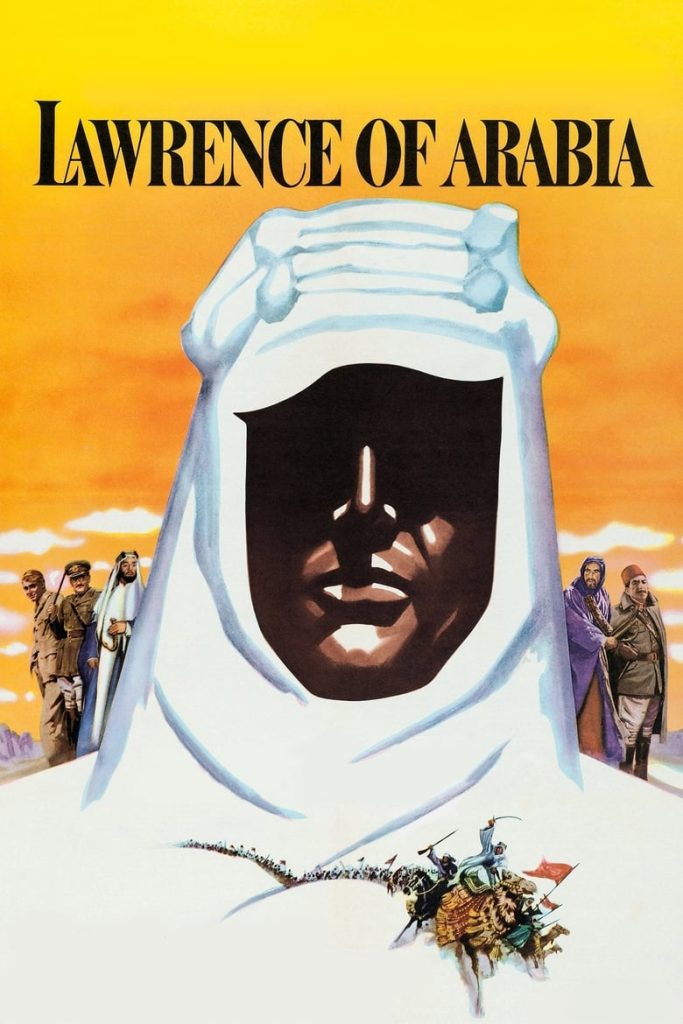
Lawrence of Arabia is an epic historical drama about British officer T.E. Lawrence during World War I. The film follows his efforts to unite Arab tribes against the Ottoman Empire, exploring themes of identity, leadership, and cultural conflict. It depicts Lawrence's complex journey as he navigates desert warfare, political alliances, and personal transformation while questioning his own role in the conflict.
Parent Guide
A historically significant epic with mature themes about war, identity, and cultural conflict that requires thoughtful viewing and discussion.
Content breakdown
Contains battle sequences, military engagements, and perilous situations including explosions, gunfire, and hand-to-hand combat without graphic gore.
Some intense war scenes and emotional moments, but nothing explicitly horrific or designed to frighten viewers.
Period-appropriate dialogue with occasional mild exclamations and military terminology.
No sexual content or nudity present in the film.
Brief social drinking in officer's club scenes, consistent with period military settings.
Explores complex emotional themes including identity crisis, moral dilemmas, leadership pressures, and the psychological effects of warfare.
Parent tips
This classic film is rated PG but contains mature themes and intense war sequences that may be challenging for younger viewers. The nearly 4-hour runtime requires significant attention span, making it more suitable for older children and teens. Parents should be aware that while there's minimal graphic violence by modern standards, the film includes battle scenes, perilous situations, and complex moral questions about war, colonialism, and identity that may require discussion.
Parent chat guide
Parent follow-up questions
- What did you notice about the desert in the movie?
- How did the people travel in the sand?
- What colors did you see most in the movie?
- Did you see any animals in the film?
- How did the music make you feel?
- Why do you think Lawrence wanted to help the Arab people?
- What was challenging about traveling in the desert?
- How did different groups work together in the story?
- What did you learn about how people lived long ago?
- How do you think Lawrence felt being in a different country?
- What qualities made Lawrence a good leader?
- How did cultural differences affect the characters' relationships?
- Why was it difficult to unite different tribes?
- What did the film show about the effects of war?
- How did Lawrence's identity change throughout the story?
- How does the film portray the complexities of colonialism?
- What psychological effects did warfare have on Lawrence?
- How accurate do you think the historical representation is?
- What themes about identity and belonging does the film explore?
- How does the cinematography contribute to the storytelling?
🎭 Story Kernel
The film explores the seductive and destructive power of myth-making, both personal and political. T.E. Lawrence isn't driven by patriotism or ideology, but by a profound need to escape his own identity and become a legend. His journey reveals how the colonial 'white savior' narrative is ultimately a trap—he helps unite Arab tribes only to watch Western powers betray them, realizing he's been a useful pawn in a game he thought he was directing. The core tragedy is that Lawrence's greatest achievement—becoming 'Lawrence of Arabia'—requires the annihilation of the man he was, leaving him hollow and unrecognizable even to himself.
🎬 Visual Aesthetics
David Lean's cinematography uses the desert not as backdrop but as a character—vast, empty frames emphasize human insignificance, while extreme long shots make Lawrence a tiny figure swallowed by the landscape. The famous match-cut from a blown-out match to the rising sun is pure cinematic alchemy, linking destruction with creation. The color palette moves from the blinding, bleached whites of the desert to the cooler, darker interiors of British offices, visually contrasting freedom with bureaucratic confinement. Action is portrayed not through rapid editing but through patient, wide compositions that let battles and journeys unfold with epic scale and visceral weight.
🔍 Details & Easter Eggs
💡 Behind the Scenes
Peter O'Toole was a complete unknown before being cast—David Lean fought the studio to hire him over established stars like Marlon Brando. The film was shot in 70mm Super Panavision, with many scenes filmed in Jordan and Morocco under brutally hot conditions; cinematographer Freddie Young often used a special 482mm lens to create the iconic mirage effects. O'Toole nearly died during the train attack scene when he slipped and was almost crushed between two railway cars. The score by Maurice Jarre was composed in just three weeks after the original composer backed out.
Where to watch
Choose region:
- Amazon Video
- Apple TV
- Google Play Movies
- YouTube
- Fandango At Home
Trailer
Trailer playback is unavailable in your region.