
Layla Majnun (2021)
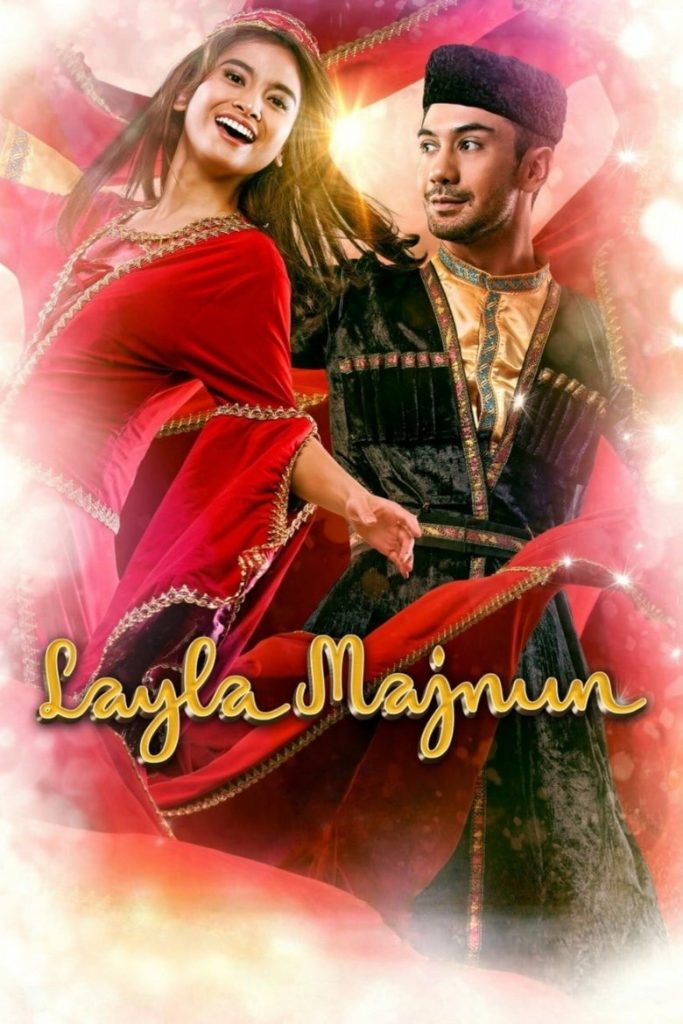
Story overview
Layla Majnun is a 2021 romantic drama that reimagines the classic Middle Eastern love story. The film follows two young lovers whose deep connection faces challenges from their families and society. It explores themes of passion, tradition, and the struggle between personal desire and social expectations. The story unfolds as a timeless tale of devotion and heartbreak.
Parent Guide
Romantic drama focusing on emotional relationships and cultural conflicts. TV-14 rating suggests content may be unsuitable for children under 14.
Content breakdown
May include emotional conflicts and tense situations between characters, but no physical violence is expected in this genre.
Emotional distress and relationship conflicts may be intense for sensitive viewers. Themes of forbidden love and family pressure could be unsettling.
May include romantic or emotional dialogue that could be suggestive. No strong profanity expected in this type of drama.
Likely includes romantic themes and suggestive situations appropriate for the TV-14 rating. No explicit content expected.
No substance use expected in this romantic drama genre.
Central theme involves intense romantic love and emotional conflicts. Characters experience strong feelings of passion, heartbreak, and societal pressure.
Parent tips
This film is rated TV-14, suggesting it may contain material unsuitable for children under 14. As a romantic drama, it focuses on emotional relationships and cultural conflicts rather than action or comedy. Parents should be aware that the central theme involves intense romantic love that may be too mature for younger viewers.
Consider your child's emotional maturity when deciding if this film is appropriate. The story deals with themes of forbidden love and family pressure that could be confusing or distressing for sensitive viewers. The TV-14 rating indicates the content may include suggestive dialogue, emotional intensity, or thematic elements requiring parental guidance.
Previewing the film yourself is recommended to determine if it aligns with your family's values and your child's readiness. The romantic nature of the story might prompt questions about relationships, cultural traditions, and emotional expression that parents should be prepared to discuss.
Parent chat guide
Use the story as a springboard to discuss healthy relationships, respect for different traditions, and how to handle emotional challenges. Emphasize that while the film portrays intense romance, real relationships involve communication, mutual respect, and consideration of consequences.
For older viewers, you might explore how the film portrays family expectations versus personal desires. Discuss how different cultures approach relationships and why understanding diverse perspectives is valuable. Keep conversations age-appropriate and focused on general lessons rather than specific romantic situations.
Parent follow-up questions
- How did the characters show they cared about each other?
- What made the characters feel happy or sad in the story?
- What did you learn about being a good friend from this movie?
- How did the characters help each other when they had problems?
- What was your favorite part of the story and why?
- Why do you think the characters' families didn't want them to be together?
- How did the characters handle their feelings when things were difficult?
- What does this story teach us about respecting different family traditions?
- How might the characters have solved their problems differently?
- What makes a relationship healthy and respectful in your opinion?
- How does this film portray the balance between personal desires and family expectations?
- What cultural values are shown in how the characters approach relationships?
- How do the characters demonstrate emotional maturity or lack thereof?
- What lessons about communication can we learn from how the characters interact?
- How might this story be different if set in today's world?
- How does this film explore the concept of love as both empowering and limiting?
- What commentary does the story make about societal structures and individual freedom?
- How are gender roles and expectations portrayed in the characters' relationships?
- What does the film suggest about the nature of sacrifice in relationships?
- How does this adaptation interpret the classic story for modern audiences?
🎭 Story Kernel
At its core, 'Layla Majnun' explores love not as a romantic union but as a state of existential devotion that transcends physical reality. The film argues that Qays doesn't go mad for Layla—he becomes sane to a truth others cannot see. Their separation isn't tragedy but necessity; the real love story is between Qays and his own unraveling perception. The characters are driven by a cultural and spiritual mandate that values poetic obsession over conventional happiness. Layla's arranged marriage isn't a betrayal but another layer of separation that fuels the myth. The film suggests that in some traditions, the most perfect love is the one that remains unconsummated, forever suspended in the realm of ideal.
🎬 Visual Aesthetics
The cinematography creates a hypnotic, sun-bleached palette where the desert isn't just setting but a character—vast, indifferent, and mirroring the lovers' emotional emptiness. Camera movements are deliberate and often stationary, forcing viewers to sit with the characters' stillness and longing. The framing frequently isolates Qays in wide shots, visually manifesting his growing alienation. Symbolism appears in recurring motifs: water (always out of reach), mirrors (reflecting fractured identities), and the contrast between crowded market scenes and barren landscapes. The visual language rejects Western romantic aesthetics, instead embracing a meditative, almost ritualistic pace that mirrors Sufi traditions of divine love.
🔍 Details & Easter Eggs
💡 Behind the Scenes
The film was shot entirely on location in the deserts of Jordan and the UAE over 42 days, with temperatures regularly exceeding 45°C (113°F). Director Sidi Ali adopted an unusual method: the lead actors playing Qays and Layla were kept completely separated off-camera throughout filming to enhance their on-screen longing. The poetic verses recited are authentic 7th-century Arabic poetry by the original Qays ibn al-Mulawwah. Notably, the production used minimal artificial lighting, relying almost entirely on natural desert light, which created the distinctive washed-out, almost hallucinatory visual quality that defines the film's aesthetic.
Where to watch
Choose region:
- Netflix
- Netflix Standard with Ads
Trailer
Trailer playback is unavailable in your region.