Leal (2018)
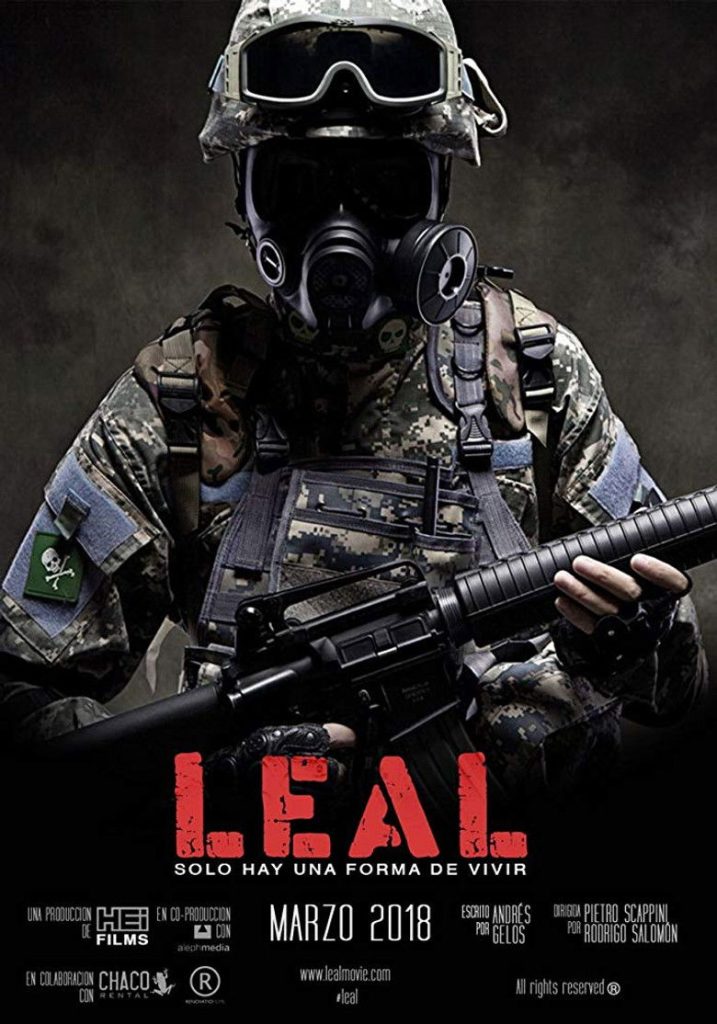
Story overview
Leal is a 2018 action crime drama rated TV-MA. The film follows characters involved in criminal activities and dramatic conflicts. It contains mature themes typical of the action and crime genres. Parents should be aware that the TV-MA rating indicates content suitable only for mature audiences.
Parent Guide
TV-MA rated action crime drama with mature themes unsuitable for children. Contains typical elements of crime genre including violence and criminal behavior.
Content breakdown
Action crime drama likely contains scenes of violence, peril, and criminal activities typical of the genre.
Criminal situations and dramatic conflicts may be intense or disturbing for younger viewers.
May contain strong language consistent with crime dramas and TV-MA rating.
Possible mild content typical of action crime dramas, but not specified in input.
May include depictions of substance use common in crime genre settings.
Dramatic conflicts and criminal situations create emotional tension and intensity.
Parent tips
This film has a TV-MA rating, meaning it is specifically designed for mature audiences and may be unsuitable for children under 17. The action and crime genres typically involve violence, criminal behavior, and intense situations that could be disturbing for younger viewers. Consider the maturity level of your child before viewing, as the content may include strong language, violence, or other adult themes.
Parent chat guide
Parent follow-up questions
- What did you think about the people in the movie?
- Were there any parts that made you feel scared or worried?
- What do you think about people who break rules?
- How do you think the characters felt when they were in trouble?
- What would you do if you saw someone doing something wrong?
- What did you learn about how choices affect people's lives?
- How did the movie show the consequences of breaking rules?
- What made the characters in the movie good or not so good?
- How do you think the police or good people help in situations like in the movie?
- What would you do differently than the characters in the movie?
- What messages did the movie send about crime and justice?
- How realistic do you think the criminal situations in the movie were?
- What ethical dilemmas did the characters face, and how did they handle them?
- How does media portrayal of crime compare to real-world consequences?
- What responsibility do people have when they witness wrongdoing?
- How does the film explore themes of loyalty versus legality?
- What social commentary does the movie make about crime and society?
- How do the characters' motivations drive the plot and their decisions?
- What cinematic techniques were used to create tension in criminal situations?
- How does this film compare to other crime dramas in its portrayal of morality?
🎭 Story Kernel
At its core, 'Leal' dissects the corrosive nature of absolute loyalty within a criminal hierarchy. It's not about the heist or the money, but about how the protagonist's unwavering fidelity to his boss, Victor, becomes a psychological prison. His drive isn't greed, but a desperate, almost religious need to validate his life's purpose through servitude. The film's tension arises from watching this rigid code of honor clash with the chaotic, self-serving reality of the underworld, ultimately asking if such loyalty is a virtue or a fatal flaw. The climax reveals his sacrifice was for a man who saw him only as a useful tool, making his journey a tragic study in misplaced devotion.
🎬 Visual Aesthetics
The film employs a stark, desaturated color palette, dominated by concrete grays and cold blues, visually mirroring the protagonist's emotionally barren world. Camera work is deliberately claustrophobic, using tight close-ups during conversations to emphasize the psychological pressure. Action is not stylized but brutal and efficient, shot with shaky, handheld realism that makes violence feel immediate and ugly. Key symbolism lies in the recurring motif of locked doors and gated spaces—the safe, the warehouse, the car—representing both physical barriers and the protagonist's mental imprisonment to his code. The final shot, a wide, empty street in muted dawn light, visually underscores his ultimate isolation.
🔍 Details & Easter Eggs
💡 Behind the Scenes
The lead actor underwent extensive weapons training with a former special forces operative to achieve the character's efficient, unflashy combat style. Key interior scenes were shot in a decommissioned industrial refrigeration plant in Lisbon, whose inherent cold and echoing spaces greatly influenced the film's atmospheric sound design. The director mandated that the final heist sequence be filmed in a single, grueling 28-hour continuous shoot to authentically capture the cast's escalating fatigue and desperation.
Where to watch
Choose region:
- Netflix
- Netflix Standard with Ads