
Lemonade Mouth (2011)
Story overview
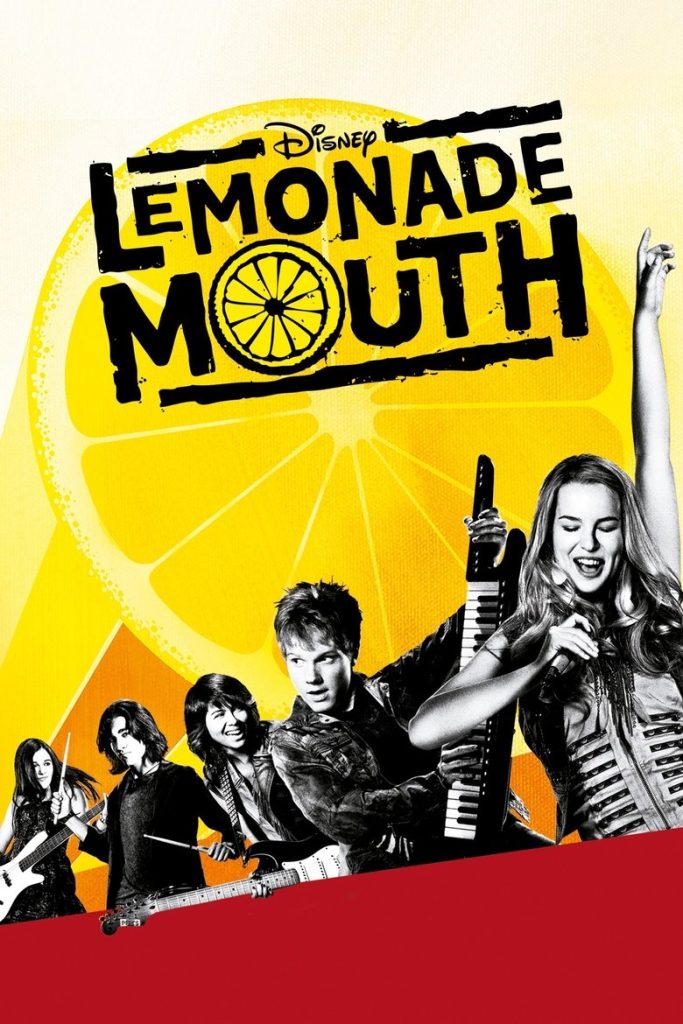
Lemonade Mouth is a 2011 Disney Channel musical TV movie about five high school students who form a band after meeting in detention. The film follows their journey as they navigate friendship, self-expression, and standing up for themselves against school authority. Through their music, they find their voices and inspire their peers to challenge the status quo.
Parent Guide
Family-friendly musical with positive messages about friendship, self-expression, and teamwork. Suitable for most children with parental guidance for younger viewers.
Content breakdown
No violence. Mild tension in school-related conflicts.
Nothing scary or disturbing. All content is lighthearted.
No offensive language. Clean dialogue throughout.
No sexual content or nudity. Age-appropriate relationships.
No substance use depicted.
Mild emotional moments related to friendship and self-expression.
Parent tips
Lemonade Mouth is a family-friendly musical that promotes positive messages about friendship, teamwork, and finding your voice. The TV-PG rating reflects mild thematic elements appropriate for most children. Parents should be aware that the film includes typical high school dynamics and mild rebellion against authority figures, but these are presented in a wholesome, age-appropriate manner.
The film's musical numbers are energetic and positive, with lyrics focused on empowerment and self-expression. There are no concerning content elements, making this suitable for family viewing. The story emphasizes the importance of standing up for what you believe in while respecting others.
Parent chat guide
Consider discussing the balance between respecting authority and standing up for what's right. The film shows characters navigating school rules while advocating for positive change. This can lead to conversations about constructive ways to address concerns and make a difference in your community.
Parent follow-up questions
- What was your favorite song in the movie?
- How did the friends help each other?
- What colors did you see in the music scenes?
- How did the music make you feel?
- What instrument would you like to play?
- Why do you think the band chose the name Lemonade Mouth?
- How did the characters show they were good friends?
- What problems did the band members work together to solve?
- What does it mean to 'find your voice' like the characters did?
- How did music help the characters express their feelings?
- What challenges did the characters face in standing up for their beliefs?
- How did the band members balance school responsibilities with their musical passion?
- What leadership qualities did different characters demonstrate?
- How did the film show the power of teamwork and collaboration?
- What messages about self-expression did you take from the movie?
- How does the film portray the balance between conformity and individuality in high school?
- What realistic aspects of teenage friendship and conflict did the movie present?
- How did the characters' musical collaboration help them develop personally?
- What social issues or school dynamics did the film address through its story?
- How might the film's messages about empowerment apply to real-life situations?
🎭 Story Kernel
Lemonade Mouth is less about forming a band and more about weaponizing silence. The film's core theme explores how institutional neglect—embodied by Principal Brenigan's authoritarian focus on sports—creates a generation of 'misfits' who aren't broken but systematically ignored. The characters are driven not by musical ambition, but by the desperate need to be heard. Wen's anger stems from his father's abandonment, Olivia's from her mother's workaholic absence, Mo's from cultural erasure, Charlie's from living in his brother's shadow, and Stella's from being the invisible 'good girl.' Their music becomes the collective scream against being rendered silent, making their battle against the school administration a metaphor for reclaiming personal agency.
🎬 Visual Aesthetics
The film employs a distinct visual language that separates the establishment from the rebellion. The school and its events are shot with a sterile, high-key lighting and static, wide shots that evoke institutional control and order. In contrast, the band's spaces—the detention room, the garage, the final concert—are bathed in warm, saturated colors (oranges, yellows, deep blues) with dynamic, handheld camera work that feels alive and urgent. The recurring motif of 'lemonade' (the yellow color palette, the actual drink) symbolizes something sour transformed into something empowering. The concert sequences use rapid cuts and low-angle shots to visually elevate the kids, literally looking up to them as they seize their power.
🔍 Details & Easter Eggs
💡 Behind the Scenes
The film is based on a 2007 novel of the same name by Mark Peter Hughes. Several of the young actors, particularly Bridgit Mendler (Olivia) and Blake Michael (Wen), performed their own vocals and instruments for the soundtrack, which helped achieve a raw, authentic band dynamic. The iconic detention room set was a recurring location, designed to feel both claustrophobic and, later, like a creative sanctuary. Interestingly, the movie was shot in Utah, not its fictional Rhode Island setting, utilizing local high schools and the EnergySolutions Arena (now Delta Center) for the climactic 'Strike' concert sequence.
Where to watch
Choose region:
- Disney Plus
- Amazon Video
- Google Play Movies
- YouTube
Trailer
Trailer playback is unavailable in your region.